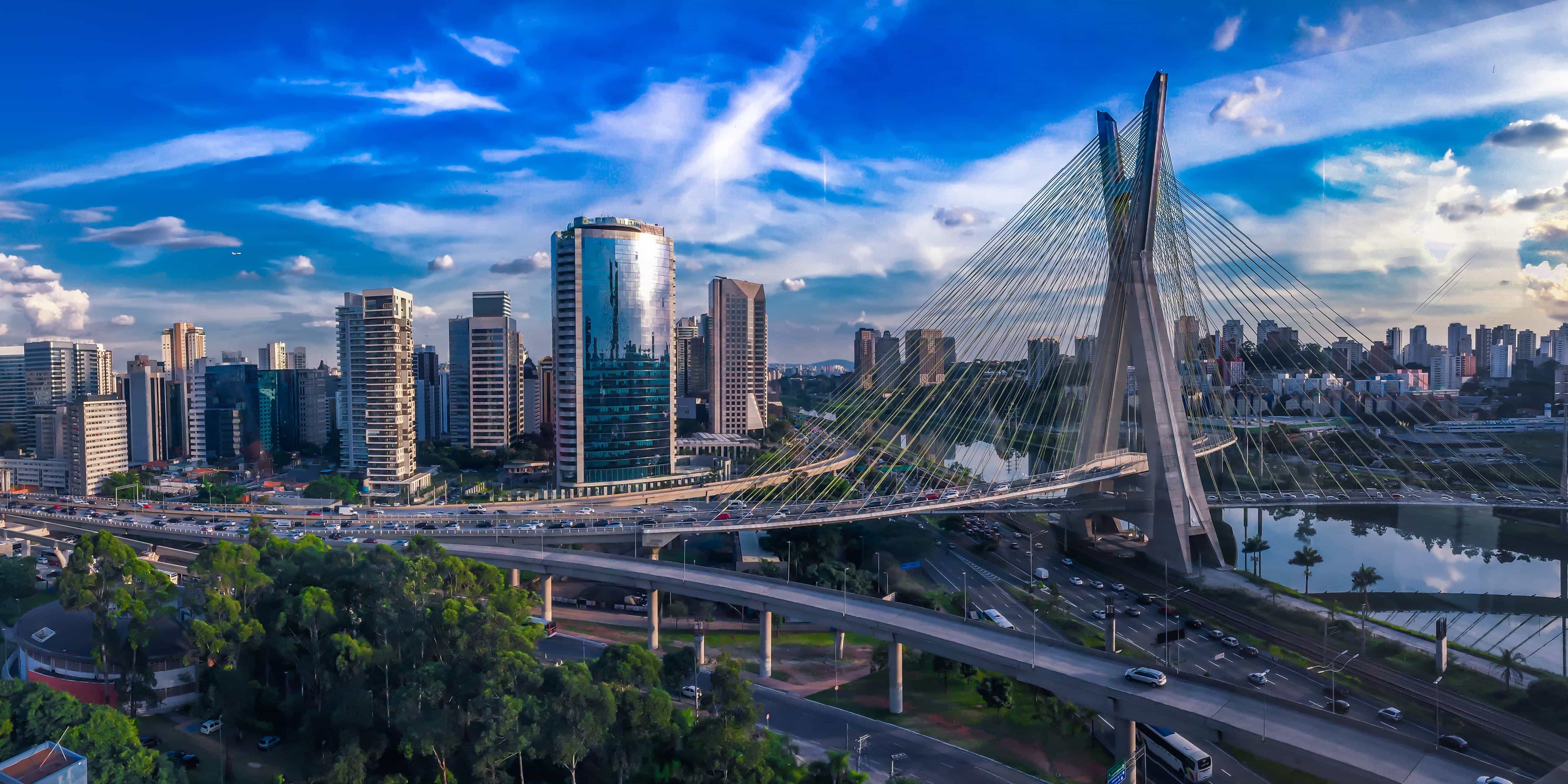
Media coverage of high-profile international summits like APEC invariably devolves into a predictable routine of breathless hysteria over extreme security measures. Reports obsess over the mundane details of perfume bans on subways, temporary no-fly zones for civilian drones, and localized road closures. Commentators frame these mandates as a hyper-vigilant apparatus desperately trying to prevent a breach.
They are missing the point entirely.
High-profile summit security is almost never about stopping bad actors. Actual threat mitigation happens months in advance through intelligence channels, signal decryption, and deep surveillance networks. The visible, disruptive circus on the ground—confiscating a commuter’s bottle of Eau de Toilette at a metro turnstile or declaring airspace off-limits to hobbyist quadcopters—is purely administrative theater.
Understanding this distinction isn't just an exercise in media criticism. It reveals how modern municipal power operates when foreign dignitaries enter the room.
The Friction Illusion
I have spent years observing how mega-cities handle high-density crowd logistics during state visits. The common assumption is that tighter controls create a safer environment. In reality, introducing sudden friction into a city's daily transit system often creates secondary vulnerabilities.
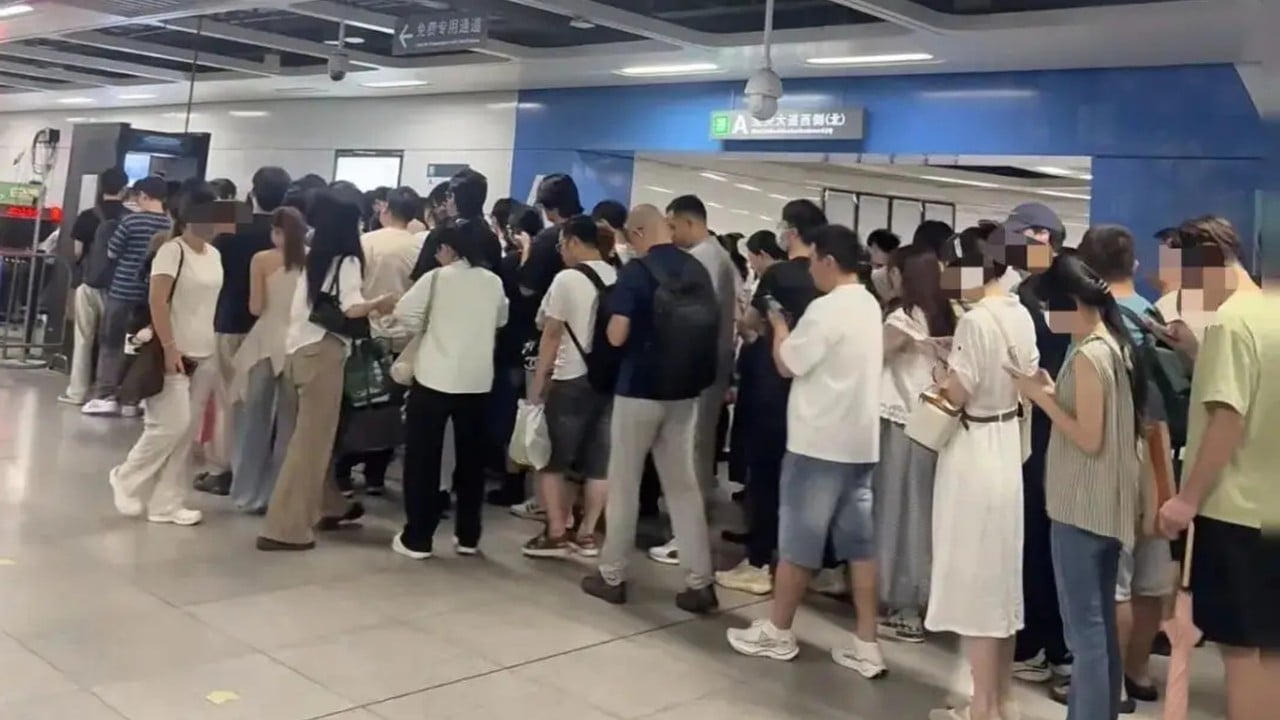
When you ban everyday items like spray cans or restrict commuter lines in a hub like Shenzhen, you do not neutralize threats. You redistribute density. You create massive bottlenecks at security checkpoints outside the secured perimeter. Thousands of frustrated citizens clumped together waiting for manual bag inspections represent a far softer, more concentrated target than a normal, fluid flow of foot traffic ever could.
Security directors know this. Yet, the mandates persist.
The public assumption remains: If it hurts convenience, it must be keeping us safe.
It isn't. The primary purpose of visible, sweeping security directives during global gatherings is institutional signaling.
- To Foreign Delegations: It demonstrates absolute command over the physical environment and civic population.
- To Local Apparatuses: It tests bureaucratic responsiveness and tests how quickly municipal departments can execute top-down mandates under strict deadlines.
- To the Public: It enforces a psychological reset, signaling that normal civilian priorities are temporarily subordinate to state-level diplomacy.
Why The Drone Threat Narrative Is Flawed
A recurring headline during summit prep centers on the "dreaded drone menace." Cities routinely establish temporary no-fly zones spanning dozens of square kilometers, accompanied by dire warnings to civilian operators.
The media paints this as a high-stakes cat-and-mouse game between rogue pilots and municipal defenders.
Here is the operational reality: a civilian drone operator who accidentally strays into a restricted grid is an annoyance, not an assassin. Any rogue actor intent on utilizing aerial payloads is not going to be deterred by a hastily published notice on a municipal website. Furthermore, active anti-drone technology—such as RF jamming and GPS spoofing—is already active around key sites regardless of whether a public ban exists.
The public ban exists for one primary reason: signal-to-noise management.
By threatening civilian operators with swift confiscations and fines, authorities clear the sky of background chatter. It eliminates the false positives. If ten hobbyists are flying cameras over the skyline, security personnel must spend time identifying and grounding all ten. If zero hobbyists are in the air because they fear losing their gear, the single anomalous signal that appears on radar gets immediate, undivided interception resources.
The policy does not prevent a attack; it simply saves the defense apparatus from working overtime on benign distractions.
The Economics of Hyper-Disruption
Mainstream analysis rarely considers the sheer economic inefficiency of these superficial mandates. Shenzhen is a global hardware capital, a metropolis built on lightning-fast supply chains, rapid prototyping, and frictionless logistics.
When a city halts local courier routes, closes major transit arteries, and forces workers through multi-stage inspection checkpoints for three days, the collateral economic loss easily runs into tens of millions of dollars in lost productivity.
Consider the trade-off. Is a total ban on carrying liquids or perfumes through a subway turnstile truly yielding millions of dollars in security value?
Of course not. Liquid explosives of concern require precise chemical formulations, specific storage conditions, and significant quantities to cause structural harm—none of which align with a half-used bottle of cologne carried by a tech worker on their morning commute.
Admitting this trade-off is politically impossible for organizers. If an incident occurs—no matter how minor—the immediate political accusation will be a lack of preparation. Bureaucracies will always choose guaranteed, massive economic inefficiency over even a fraction of a percent of personal accountability. Extreme security measures are an insurance policy for the careers of bureaucrats, paid for by the time and productivity of the local workforce.
Dismantling the Protocol
We need to stop evaluating summit security by the length of the ban list or the aggressiveness of the street patrols.
When you read that a host city is shutting down airspace, banning everyday personal items, or turning business districts into ghost towns, do not view it as a masterclass in defense. View it for what it actually is: a blunt, low-efficiency display of administrative force designed to cover political risk at the direct expense of municipal efficiency.
Stop looking at the perimeter guards. The real operations happened weeks ago, quiet and completely unseen. Everything else on display is just a show.