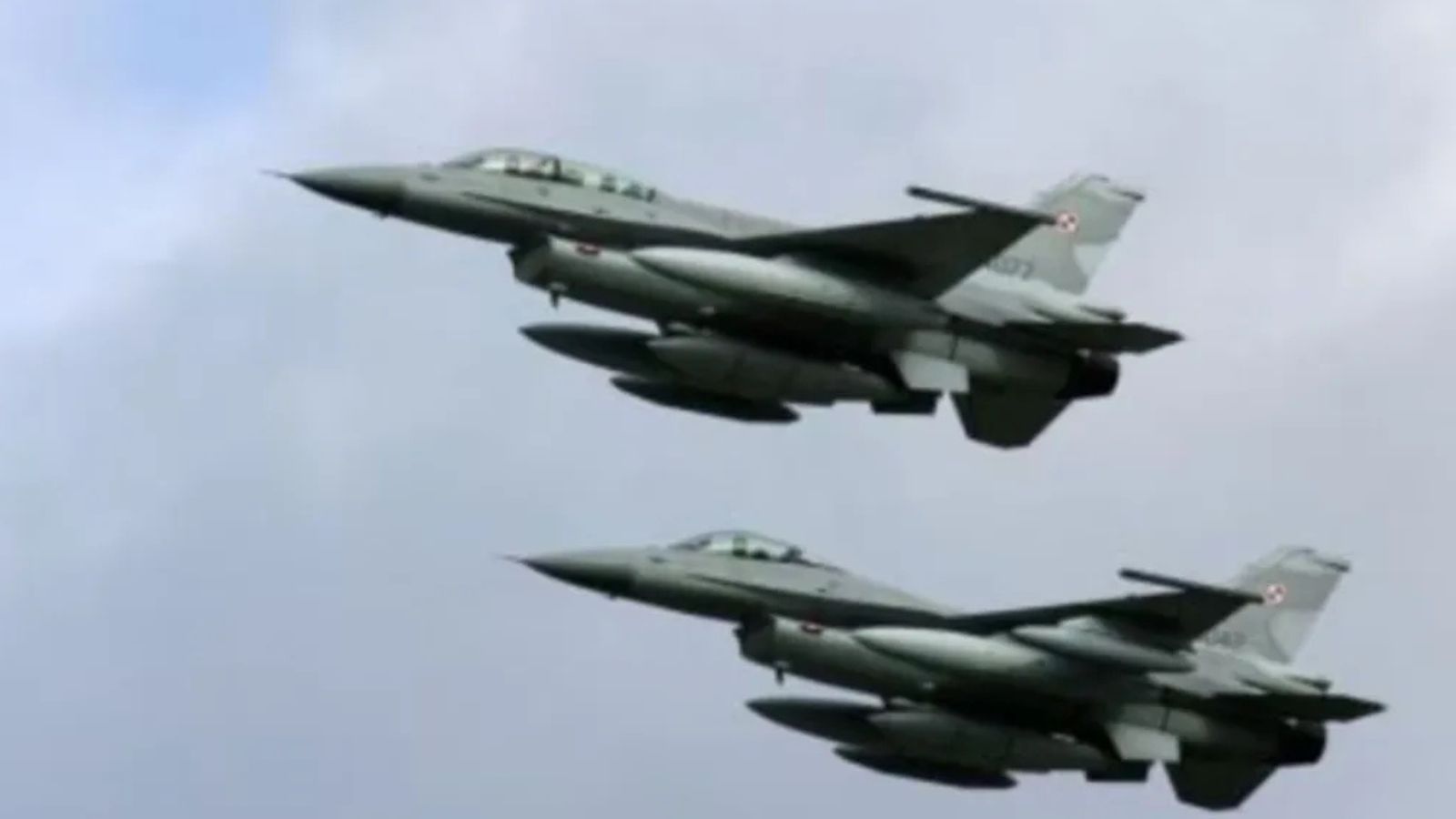
When international wire services and major Western newspapers began reporting that Pakistan Air Force jets were actively participating in combat missions against Houthi positions in Yemen, the reaction from Islamabad was swift, angry, and total. Government officials dismissed the claims as fabricated noise, insisting that any military footprint inside Saudi Arabia remains strictly defensive. Yet, beneath the diplomatic denials lies a much deeper, messier reality. The activation of the Makkah Joint Defence Agreement has dragged Pakistan directly into the violent friction of the Red Sea theater, testing the limits of its foreign policy and exposing the structural contradictions of a military force hired for deterrence rather than foreign adventurism.
To understand why a report of Pakistani jets over Yemen triggers such immediate panic in Islamabad, one must look past the headlines and examine the architecture of modern regional alliances. The Makkah pact was designed to provide a protective umbrella for the Kingdom, responding to escalating drone and missile incursions that have repeatedly targeted Saudi infrastructure. But a defense pact on paper behaves very differently when translated onto a dynamic battlefield. When missiles from Yemen strike airports in Riyadh, the political distance between a defensive shield and an offensive spear blurs instantly. Discover more on a related subject: this related article.
For decades, Pakistan's military apparatus has mastered the art of walking tightropes across Middle Eastern rivalries. Islamabad has maintained robust security ties with Riyadh while simultaneously attempting to preserve a workable, pragmatic relationship with Tehran—a principal backer of the Houthi movement. Stepping across the threshold into active combat operations against Yemen alters that calculus permanently. Iranian officials view any escalation through a zero-sum lens. If Pakistani air assets are even perceived to be hunting Houthi positions, Islamabad's carefully guarded diplomatic neutrality evaporates.
The friction also highlights a fundamental domestic vulnerability within Pakistan. The country’s leadership has little appetite for a foreign entanglement that yields no clear strategic dividend for its own citizens. Deploying thousands of troops and air defense assets abroad under a multilateral security framework satisfies treaty obligations to historic allies, but it invites severe blowback at home, where public sentiment remains deeply skeptical of foreign wars. Military spokesmen can issue denials regarding offensive strikes, but the presence of high-value military assets in a theater as volatile as the Arabian Peninsula ensures that Islamabad remains a target of regional intelligence crossfire. Additional journalism by BBC News delves into similar perspectives on the subject.
As long as the Red Sea corridor remains a focal point of asymmetric warfare, the pressure on Pakistan will only intensify. The core dilemma is not merely whether fighter jets crossed a geographical boundary to drop ordnance, but whether a nation grappling with its own internal crises can afford to anchor its security credibility to a shifting Middle Eastern frontline. The official denials will continue to flow from ministry press desks, but the strategic trap has already snapped shut.



