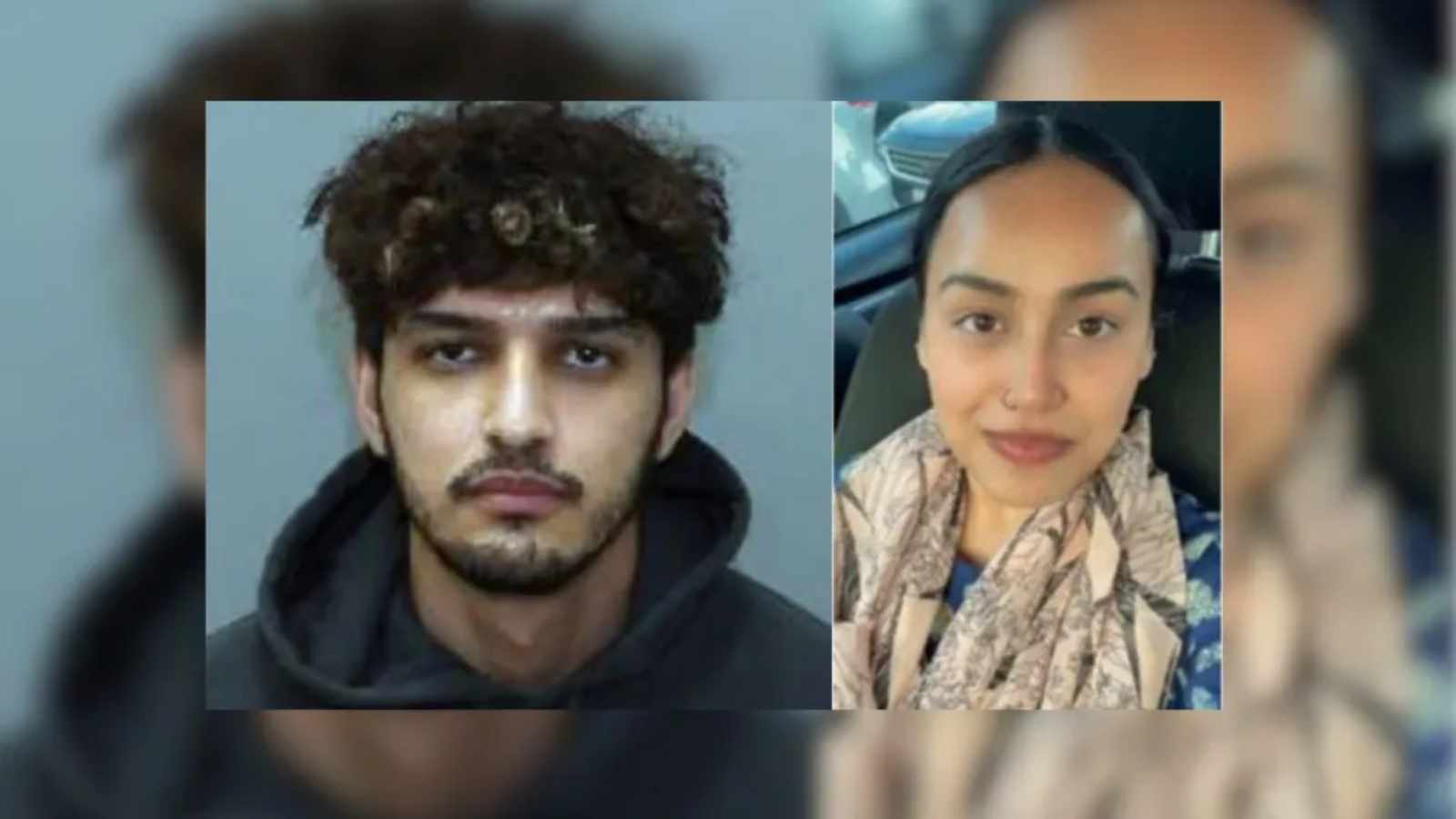
An Indian-origin woman was found dead in her Canadian residence, setting off a complex seven-month homicide investigation that culminated in the arrest of her romantic partner. This prolonged timeline exposes the agonizing delays inherent in cross-border forensic accounting, digital evidence extraction, and the meticulous legal procedures required to build an airtight murder case in the Canadian judicial system. When an expatriate community is rocked by violence, the search for truth often gets bogged down in bureaucratic friction and jurisdictional hurdles.
The Anatomy of a Delayed Arrest
Months passed between the discovery of the victim and the eventual apprehension of the suspect. To the public, a seven-month gap looks like systemic failure or police inaction. Behind closed doors, it represents a grueling exercise in forensic accumulation.
Homicide detectives do not work on suspicion; they work on physical proof, digital footprints, and chemical certainty. When a crime occurs inside a private domestic space without immediate eyewitnesses, investigators must reconstruct the final hours of the victim's life from scattered digital debris.
Phones, smart home devices, vehicle telematics, and financial records form a silent testimony. Extracting data from encrypted smartphones often takes months, especially when devices are damaged, password-locked, or require specialized backchannel extraction tools that local crime labs cannot immediately process.
Furthermore, toxicology reports and pathology findings do not materialize overnight. Forensic labs face staggering backlogs. Every tissue sample, DNA swab, and fiber analysis must pass rigorous chain-of-custody protocols to survive defense scrutiny in a courtroom.
The Intimate Partner Violence Blindspot
Domestic homicides rarely erupt out of a vacuum. They are usually the tragic culmination of a escalating cycle of power, control, and isolation. When immigrants relocate across continents, those risk factors multiply exponentially.
Immigrant victims of domestic violence face unique barriers that domestic-born citizens rarely encounter. Visa dependencies, lack of local family support networks, unfamiliarity with legal rights, and cultural stigma can trap individuals in dangerous relationships. If an abuser controls the legal status, finances, and social interactions of their partner, the victim becomes entirely invisible to local social services.
Police departments across major Canadian metropolitan areas have noted a disturbing trend in transnational relationships where abusers exploit immigration vulnerabilities to enforce compliance. When a woman is isolated thousands of miles away from her natal family, her disappearance or distress signals are easily masked by perpetrators who weave elaborate false narratives for friends and relatives back home.
In this specific case, the suspect maintained a facade of normalcy for months after the homicide. Neighbors reported ordinary routines, and distant relatives received curated updates designed to stave off suspicion. This psychological warfare is a hallmark of domestic abusers who calculate their survival strategies long before law enforcement knocks on the door.
The Bureaucratic Maze of Cross-Border Jurisdictions
Investigating crimes involving foreign nationals requires delicate international coordination. Police must communicate with consular offices, verify family backgrounds across different countries, and occasionally navigate foreign legal systems to obtain historical records or witness testimony.
When a suspect or victim has deep ties to another nation, the investigative scope broadens dramatically. Financial assets hidden overseas must be traced. Communication records spanning multiple telecommunication networks require international letters of request.
These legal instruments move at a glacial pace. A single request for digital server logs from a foreign-based tech company can stall an investigation for weeks. The cooperation between international law enforcement agencies is rarely instantaneous, despite what television dramas suggest.
The Reality of Forensic Trials
Building a first-degree or second-degree murder charge that withstands a jury trial is an exhausting chess match. Crown prosecutors demand an overwhelming preponderance of evidence before approving charges in circumstantial homicide cases.
If police arrest a suspect prematurely without securing the digital perimeter or matching touch DNA on crucial evidence, defense attorneys will systematically dismantle the prosecution's narrative during preliminary inquiries. A rushed arrest leads to an acquittal. A patient, methodical investigation leads to a conviction.
For the grieving family members thousands of miles away in India, this distinction offers cold comfort. Waiting seven months for an arrest feels like an eternity of torture, amplified by the physical distance and the inability to sit inside Canadian courtrooms to witness the wheels of justice grind forward.
The arrest brings a measure of accountability, but it does not erase the systemic vulnerabilities that allowed the tragedy to occur in the first place. Until support structures for immigrant women improve and forensic bottlenecks are cleared, families will continue to endure the agonizing wait between a devastating loss and a hesitant call for justice.


