Money talks. Sometimes, it shouts so loudly that the entire room goes quiet.
Picture a glass-walled conference room in San Francisco, high above a city that has traded its countercultural roots for a hyper-accelerated future. The air smells of cold brew and expensive anxiety. On the table sits a digital ledger representing a transaction so massive it bends the gravity of the modern economy. Seven billion dollars. Not promised in future venture rounds, not parked in speculative stock options, but secured, signed, and delivered.
OpenAI just wrapped a share sale that values the creator of ChatGPT at astronomical heights, clearing the runway for what might be the most consequential initial public offering in human history.
I remember what it felt like when the ground first shifted. It was late 2022. Most of us were just typing casual prompts into a browser window, marveling at how a machine could write a mediocre poem about autumn leaves. We thought it was a toy. We laughed at its hallucinations. We treated it like a digital parlor trick.
We were wrong.
The Weight of the Ledger
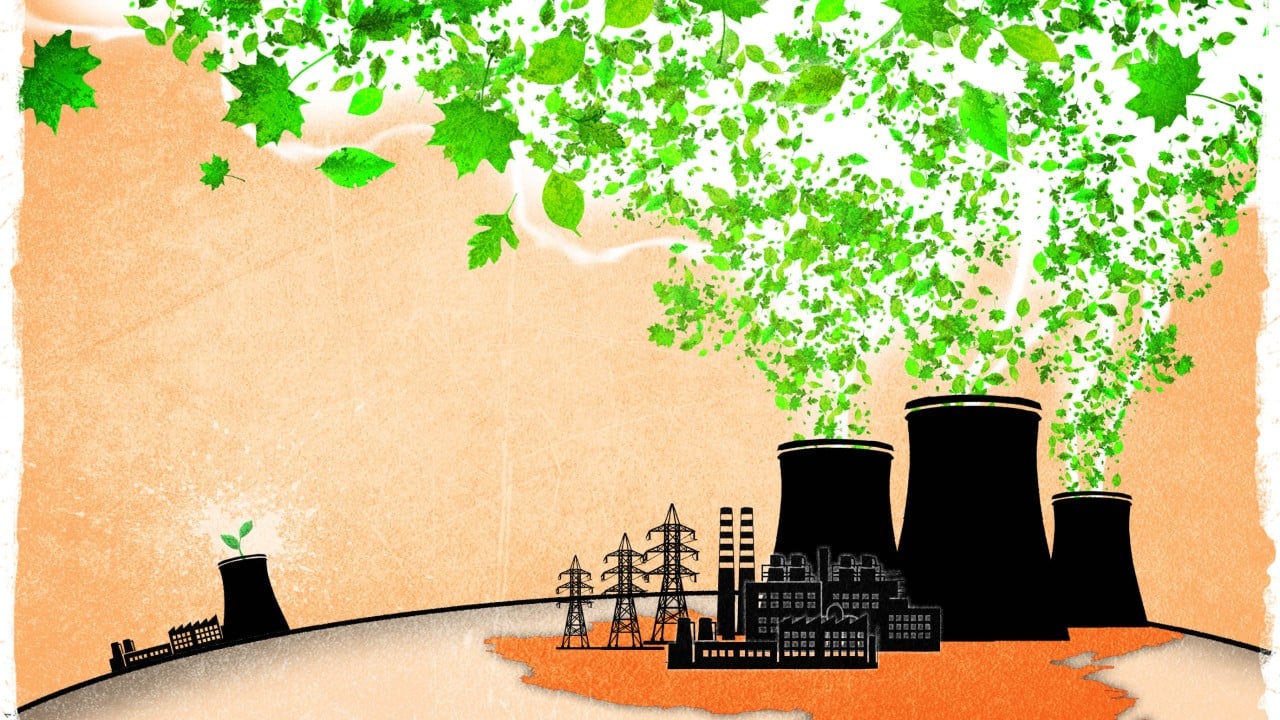
Behind that seven-billion-dollar figure lies a profound physical reality that Silicon Valley often tries to hide behind sleek interfaces and minimalist web design. Artificial intelligence is not cloud-bound magic. It is raw, thirsty, power-hungry earth.
Consider what happens next: every single query, every parameter adjustment, every newly synthesized synthetic voice requires oceans of cooling water and gigawatts of electricity. Companies do not raise seven billion dollars because they have figured out how to run a lean, efficient software shop. They raise that kind of capital because they are building industrial cathedrals out of silicon and copper.
To understand this share sale, you have to look past the valuation math. You have to look at the sheer burn rate of ambition. Training frontier models requires buying tens of thousands of specialized accelerators from companies like Nvidia, locking down long-term energy contracts, and paying engineering talent salaries that rival professional sports contracts.
When private markets open their wallets this wide, they are buying a ticket on a rocket ship. But they are also acknowledging that the fuel required to stay in orbit is costlier than anything the tech industry has ever attempted before.
The Public Threshold
There is a sacred tradition in Silicon Valley. A company starts in a cramped garage or a rented loft, fueled by idealistic young founders who swear they will change the world for the better. They take venture capital. They grow large. And eventually, they face the ultimate institutional rite of passage.
The public market.
Wall Street is a harsh mistress. For years, OpenAI operated under a strange, hybrid corporate structure designed to protect its nonprofit mission from the cold calculus of shareholder return. Yet, gravity always wins. When you need billions of dollars to build the infrastructure of tomorrow, you have to play by the rules of the people who hold the capital.
A potential initial public offering changes everything. It transforms a secretive research lab into a publicly accountable titan. Pension funds, retail investors, and mutual funds will soon own pieces of the machinery that is actively rewriting how humanity works, writes, codes, and thinks.
Imagine the portfolio manager in Des Moines, Iowa, reviewing retirement accounts. Nestled between utility stocks and retail giants will soon sit shares of an artificial intelligence enterprise. That is not just a financial transaction. That is an ideological entanglement. We are all becoming shareholders in the machine age, whether we asked for the responsibility or not.
The Human Cost of the Equation
It is easy to get lost in the zero-sum game of corporate finance. We talk about valuations, market caps, and liquidity events as if they exist in a vacuum. They do not.
Every dollar pumped into this ecosystem shifts human behavior. Walk down the hallway of any modern creative agency, any software startup, or any university campus, and you will feel the palpable tremor. People are terrified. They are also exhilarated. They are trying to outrun a wave that moves faster than human biology can comfortably adapt to.
We are living through a strange historical pivot. The people building these systems are not malicious villains plotting a sci-fi dystopia. They are brilliant, exhausted engineers staring at loss functions and gradient descents until their eyes bleed, driven by a deep, almost religious conviction that if they do not build artificial general intelligence first, someone else will.
That is the emotional core of this seven-billion-dollar war chest. It is defensive. It is aggressive. It is an arms race fought with venture capital terms sheets and sovereign wealth funds.
Beyond the Horizon
The ink is dry on the share sale. The wires have cleared. The servers continue to hum in data centers hidden away in rural corners of America, drawing enough electricity to power small cities, quietly whispering answers to millions of simultaneous users around the globe.
The IPO looms on the horizon, a glittering mountain peak shrouded in storm clouds. When OpenAI finally rings that opening bell, the fiction of the scrappy research lab will evaporate completely. In its place will stand a corporate leviathan, financed by the collective wealth of global markets, steering the intellectual trajectory of our species.
The money has settled. The machinery is charged. The future is no longer a theoretical debate about what might happen decades from now. It is being priced, traded, and capitalized in real-time, right beneath our feet.