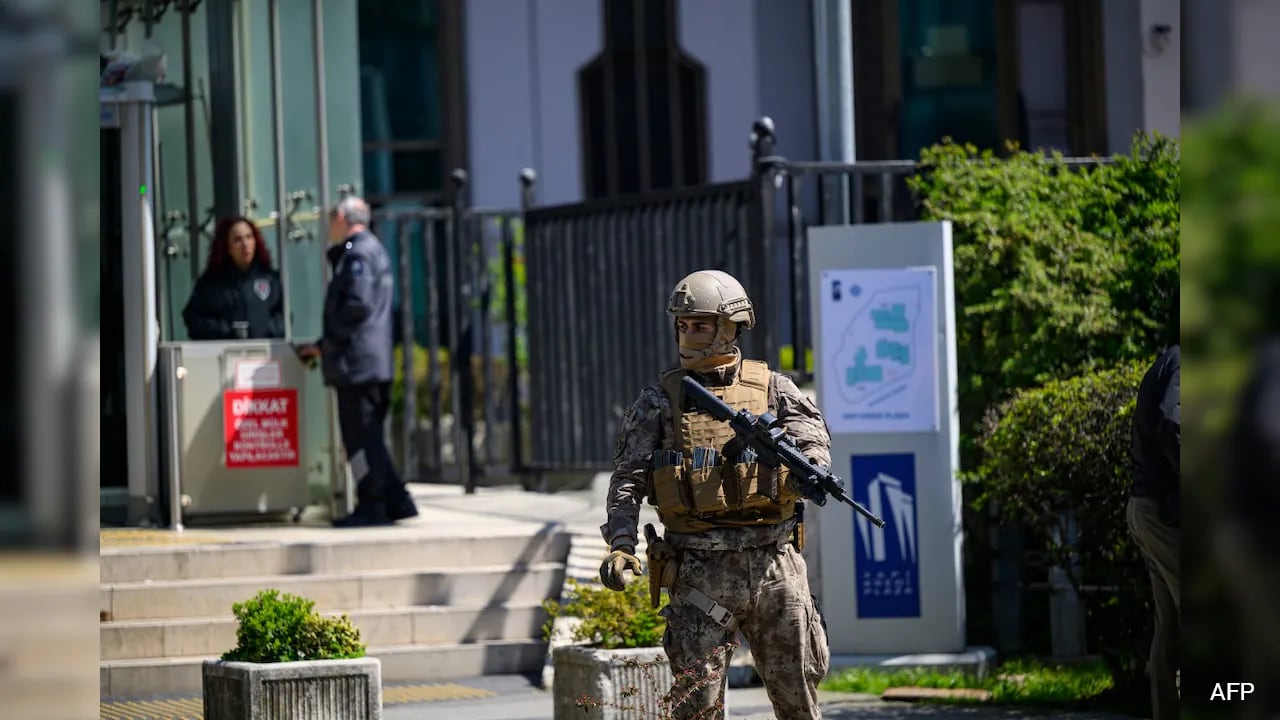
The Sensationalist Trap of International Crime Reporting
When news broke that an Indian citizen was found dead in an Israeli apartment, the media playbook unfolded with predictable, mechanical precision. Red-letter banners flashed. Speculative subtext hinted at geopolitical violence, espionage, or targeted ethnic targeted hate. True crime obsession fused instantly with high-stakes international conflict reporting, driving massive click-through rates across digital newsrooms.
They sold you a thriller. The truth is far darker, far more banal, and infinitely more critical to address.
When news organizations frame isolated tragedies strictly as dramatic, blood-spattered mysteries, they perform a massive disservice to the public. They reduce a human life to a viral headline while completely ignoring the structural, economic, and safety frameworks governing foreign labor in conflict-adjacent territories.
I have spent years analyzing international labor movements and corporate risk management during geopolitical crises. I can tell you flatly: focus on the sensational scene, and you miss the systemic machinery that puts vulnerable workers in danger long before a single drop of blood is spilled.
Dismantling the Sensationalist Narrative
The immediate media narrative around incidents like this relies heavily on sensationalism. Words like "pool of blood" or "mysterious circumstance" are carefully chosen to trigger an adrenaline response. The goal isn't to inform; it's to induce panic and engagement.
Here is the reality of how these stories break and why the media's default assumptions are almost always wrong.
| Sensationalized Media Frame | The Structural Reality |
|---|---|
| Geopolitical Assassination/Terrorism | Domestic or Workplace Violence (Statistically, foreign labor fatalities in high-stress zones stem overwhelmingly from internal disputes, unsafe living conditions, or localized crime, not international black-ops). |
| Targeted Foreigner Attack | Systemic Isolation (Foreign workers frequently live in crowded, under-regulated sub-leases with minimal security infrastructure). |
| Government Inaction | Jurisdictional and Diplomatic Friction (Consular investigations move slowly due to forensic protocols and international legal frameworks, not apathy). |
Media outlets rush to capitalize on the proximity of a narrative to ongoing military or regional conflicts. If a tragedy occurs within a nation currently in the news, every local crime is immediately, and often recklessly, tied to that larger regional conflict.
This lazy consensus turns complex forensic realities into geopolitical fan fiction.
The Economics of Foreign Labor in Conflict Zones
Why are hundreds of thousands of workers moving toward areas plagued by instability? It isn't a mystery. It is pure, unfiltered supply and demand.
When regional tensions rise, local labor pools shrink. Construction halts. Agriculture stalls. In response, governments and private contractors open the floodgates to foreign labor from developing nations. Workers from India, Nepal, Sri Lanka, and the Philippines fill these high-risk, high-reward gaps. They send critical remittances home, powering whole domestic family economies back in South Asia.
+-------------------------------------------------------------------+
|                     THE REALITY OF THE PIPELINE                   |
+-------------------------------------------------------------------+
|  1. High Economic Demand in Conflict-Adjacent Markets             |
|  2. Mass Recruitment of Migrant Labor Force                       |
|  3. Inadequate On-the-Ground Safety Nets & Substandard Housing    |
|  4. Isolated Personal Tragedies Sensationalized by Global Media    |
+-------------------------------------------------------------------+
The Unspoken Risks
- Inadequate Housing Infrastructure: Migrant workers are frequently housed in densely packed, poorly secured residential blocks.
- Legal Vulnerability: Navigating foreign legal, police, and medical systems without fluency in the local language creates massive delays in justice and protection.
- Mental Health Crises: High-stress environments, combined with extreme isolation and financial pressure, lead to severe mental health deterioration that is consistently overlooked by employers.
When an individual dies under violent or suspicious circumstances in these environments, media outlets ignore these underlying vulnerabilities. They jump straight to the most explosive, least likely theory because it generates better ad revenue.
People Also Ask: The Raw Truth Behind Common Questions
Is it safe for foreign workers to take jobs in zones with high geopolitical tension?
Safety is relative and poorly defined by traditional recruitment agencies. While the macro-level threat of military action gets the headlines, the daily operational risk—substandard housing, lack of legal representation, employer negligence, and localized crime—is where actual harm occurs. If an employer cannot guarantee secure, vetted housing and 24/7 consular legal support, the job is not safe, regardless of what the salary contract promises.
Why do news reports focus so heavily on violent details like "pool of blood"?
Because outrage and horror drive digital engagement metrics. Media companies optimize headlines for emotional impact rather than context. A headline reading "Migrant Worker Found Dead Amid Substandard Housing and Local Security Lapses" does not go viral. A headline framing it as a violent, atmospheric thriller gets shared millions of times.
Who is actually responsible when a migrant worker dies abroad?
The legal responsibility is a fragmented mess, which is precisely why real accountability is so rare. The host country's local law enforcement handles the criminal investigation. The home country's embassy manages repatriation and consular support. The recruitment agency usually disclaims liability the moment the plane lands. This bureaucratic diffusion ensures that no single entity takes the fall for systemic safety failures.
The Hard Truth: How to Fix a Broken System
If we actually care about protecting human lives rather than consuming tragic stories as entertainment, the current approach to international labor reporting and management has to be gutted.
Stop looking at these events as isolated, shock-value crime stories. They are structural failures of labor governance, corporate oversight, and international legal protections.
First, recruitment frameworks must legally mandate that employers in high-risk zones provide security audits for housing, not just workplaces.
Second, foreign diplomatic missions must deploy proactive legal and social support teams directly into migrant housing centers, rather than waiting for a body to be recovered to issue a formal statement of sympathy.
Third, media audiences must stop rewarding sensationalized crime reporting that treats human tragedy as a geopolitical mystery novel.
Demand the forensic context. Demand the labor data. Demand to know who was responsible for that worker's safety six months before the headline was printed.
Until media consumers and policymakers force this conversation away from blood-slicked headlines and toward structural accountability, foreign workers will continue to pay the ultimate price in total obscurity, reduced to nothing more than a temporary spike in news traffic.


