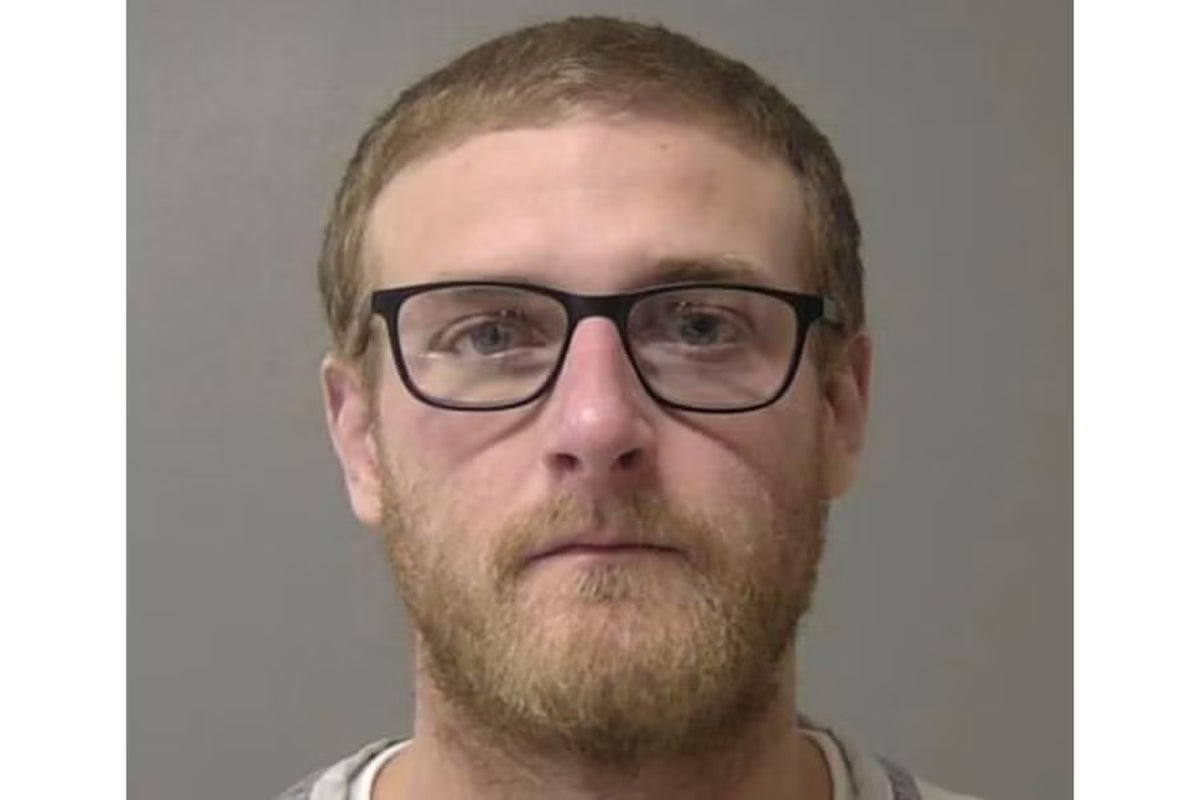
Sean Grayson, the former Illinois sheriff's deputy convicted of second-degree murder for the fatal shooting of Sonya Massey, has died in prison at age 32. His defense attorney, Daniel Fultz, confirmed that Grayson passed away, though a specific official cause of death has not been immediately released.
Grayson had been serving a twenty-year sentence at an Illinois Department of Corrections facility following a high-profile trial that exposed deep systemic failures within local law enforcement. His death comes just months after the Illinois Prisoner Review Board unanimously rejected his bid for an early medical release.
The Background of the Case
The tragic sequence of events began on July 6, 2024. Sonya Massey, a 36-year-old Black mother of two living just outside Springfield, Illinois, dialed 911 to report a potential prowler.
Grayson and another deputy responded to the emergency call. Body-camera footage later revealed a horrifying escalation. After entering Massey's home, Grayson confronted her in the kitchen over a pot of boiling water on the stove. When Massey stated, "I rebuke you in the name of Jesus," Grayson responded with a lethal threat before firing his weapon three times, striking her in the head. Massey died from her injuries that night.
Public outrage erupted immediately. The footage laid bare a reckless use of lethal force against a citizen who had called law enforcement for help. Grayson was fired, indicted, and ultimately found guilty of second-degree murder by a jury in October 2025. In January 2026, a judge handed down the maximum allowable sentence of twenty years behind bars.
Stage 4 Cancer and the Denied Medical Release
Behind bars, Grayson faced a rapid physical decline. He had been diagnosed with stage 3 colon cancer in 2023, which later advanced to stage 4, spreading to his liver, lungs, and rectum.
In May, Grayson's legal team filed an application for early medical release under Illinois' Joe Coleman Act. The statute allows incarcerated individuals suffering from terminal illnesses to seek compassionate release. Medical evaluations submitted in the filing described his condition as irreversible and incurable, estimating a life expectancy of under eighteen months.
Yet, the legal system and the community pushed back hard against the request. Sangamon County State's Attorney John Milhiser argued that granting freedom to Grayson so soon after his conviction would be a miscarriage of justice and an insult to Massey's memory. Massey's family actively opposed the bid, and her cousin Sontae publically noted the pain of the ordeal.
On July 31, the three-member Illinois Prisoner Review Board voted unanimously to deny the application. Grayson was ordered to remain incarcerated to serve the remainder of his sentence.
Community Reaction and Legal Aftermath
Civil rights attorneys Ben Crump and Antonio Romanucci, who represent the Massey family, issued a statement following the news of Grayson's death. They emphasized that while Grayson's life had ended in custody, it did not undo the profound injustice of Massey's death.
"Sonya Massey's death was unjustifiable and she should be alive today," the attorneys stated. "Sean Grayson's death in custody from cancer does not bring Sonya back. We wish his family prayers of peace, as we do for all who grieve a loved one. Sonya's family knows that pain all too well and will grieve her loss the rest of their days."
Beyond the criminal proceedings, the fallout from the tragedy reshaped local institutions. The Sangamon County Sheriff resigned in the wake of the shooting, and the county reached a $10 million civil settlement with Massey's family.
The case remains a stark reminder of accountability failures in policing. While Grayson's death closes the legal chapter on the perpetrator, the structural questions regarding emergency response, mental health handling, and the use of lethal force continue to resonate nationwide.