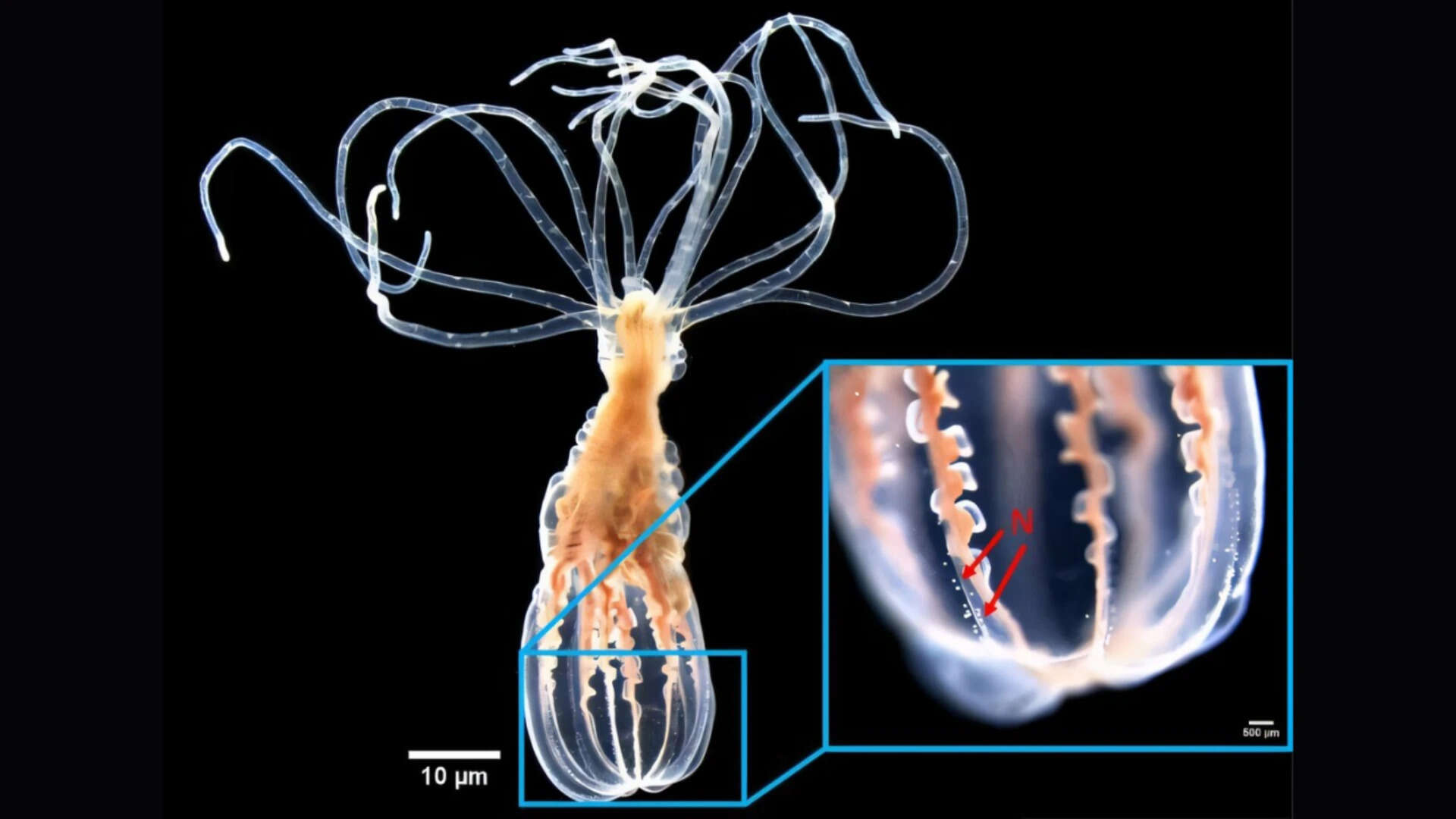
The Cellular Gatekeepers of the Ocean
Sea anemones manage a complex biological defense system without possessing a brain, a centralized nervous system, or specialized immune cells like antibodies. These simple marine organisms distinguish beneficial microbial partners from dangerous pathogens at a cellular level, relying on primitive surface receptors and chemical signals to maintain their internal ecosystem.
Understanding this biological mechanism answers a long-standing question in evolutionary marine biology. For decades, researchers struggled to explain how simple invertebrates host huge populations of beneficial algae and bacteria without suffering constant, lethal infections. Recent molecular studies reveal that the anemone's outer epithelial layer functions as a sophisticated biological filter, using specialized pattern-recognition receptors to analyze the chemical signatures of incoming microbes. Expanding on this idea, you can also read: Stop Banning Kids From Lakes Because of Brain Eating Amoebas.
Beyond Brains and Antibodies
Human immunity relies heavily on adaptive memory. T-cells and antibodies memorize previous invaders, preparing the body for future attacks. The sea anemone cannot do this. Instead, it relies entirely on innate mucosal immunity, a system that responds immediately to broad categories of biological structures.
When a bacterium approaches a sea anemone, it exposes specific molecular patterns on its outer membrane. Beneficial bacterial strains, which help the host digest nutrients or defend against environmental stress, express distinct sugar molecules and surface proteins. Pathogenic bacteria carry different chemical flags. Analysts at National Institutes of Health have provided expertise on this matter.
The anemone’s surface cells bind to these molecules. If the signal matches a benign or cooperative profile, the anemone suppresses its local inflammatory pathway, allowing the microbe to colonize its tissue. If the signal indicates a pathogen, the cell triggers a rapid release of antimicrobial peptides and reactive oxygen species, destroying the invader before it can penetrate deeper tissues.
A Balanced Biological Trade
This molecular discrimination is not merely a defense tactic; it is an economic necessity for the organism.
- Nutrient Exchange: Symbiotic algae living within anemone tissues convert sunlight into carbohydrates, supplying the host with up to 90% of its energy requirements.
- Pathogen Exclusion: A healthy layer of resident bacteria coats the anemone, physically occupying space and secreting compounds that prevent dangerous wild strains from settling.
- Environmental Flexibility: By adjusting which bacterial strains it harbors, an anemone can adapt to shifting water temperatures and varying salinity levels over time.
If an anemone reacted aggressively to every foreign cell, it would wipe out its own power source. Conversely, if it accepted every microbe unconditionally, soft-bodied tissue in microbial-dense ocean water would dissolve into systemic infection within days.
The Cost of Environmental Stress
This selection system is finely tuned, but it is not indestructible. Warmer ocean temperatures disrupt the delicate chemical communication between host cells and microbial partners.
When stress destabilizes the anemone's internal environment, host cells struggle to process incoming chemical signals correctly. In many cases, the anemone identifies its long-term algal partners as threats, jettisoning them into the open water—a process commonly recognized as bleaching. Once depleted of its primary energy providers and stripped of its protective bacterial coating, the host becomes highly susceptible to opportunistic infections that a healthy specimen would easily neutralize.
The survival of these ancient marine organisms demonstrates that complex biological decision-making does not require a central processor. Survival depends entirely on the precision of molecular chemistry at the interface where the organism meets its environment.