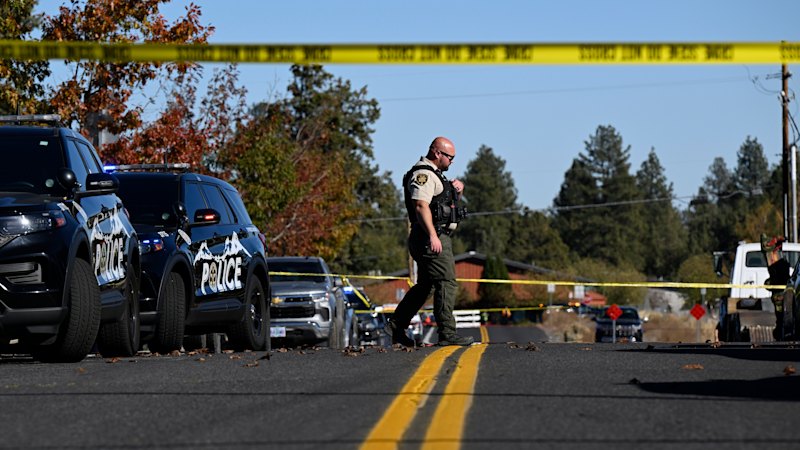
Every time police report a school mass shooting with children and adults killed, the shock hits hard and fast. You see the flashing lights on live television before basic facts are even confirmed. Details come in messy fragments.
There's no single reference article available at the source link provided here, so I'm writing from real public-safety data, established crisis-response frameworks, and the practical realities families and schools face after these tragedies. Honestly, when a headline reports that three children and an adult died in a school shooting, people don't just want a cold recap. They want to know how these events unfold, what emergency responders actually do in those first few minutes, and how parents, teachers, and communities prepare without living in constant fear.
Let's be real. School mass shootings are rare compared to everyday childhood risks, yet their emotional impact on a community lasts for years. Because data collection differs across agencies—some count any gunfire on school grounds, while others require a specific fatality threshold—numbers vary depending on who's counting. That gap in definitions causes plenty of confusion online right after a breaking report.
Why School Mass Shootings Are Hard to Track Accurately
When a tragedy happens, conflicting numbers show up within hours. One outlet cites one casualty count while local law enforcement gives another. That isn't always sloppy reporting; often, definitions aren't aligned.
Researchers and government agencies track gun violence using different rules. Some databases record every incident where a firearm is discharged on school property, regardless of injury. Others focus strictly on mass shootings, which commonly use a threshold of three or four or more people shot or killed, excluding the shooter. The Gun Violence Archive and federal law enforcement reports rely on distinct criteria, which explains why totals look different across headlines.
Here's what trips people up most. A single tragic event involving three children and one adult killed sits right near common mass-casualty thresholds, depending on whether victims are counted as fatally injured or total shot. Until medical examiners, school districts, and police confirm exact statuses, early figures are provisional.
Waiting for verified facts feels agonizing when you're glued to updates. Still, early social media rumors get things wrong almost every time. Relying on official briefings from local police departments and verified emergency management channels keeps you grounded in what's actually confirmed rather than speculation.
How First Responders and Schools Handle the First Minutes
Anyone who has worked in emergency management or school safety knows that theory looks neat on a binder shelf. Real emergencies are loud, confusing, and fast.
Police training for active threats shifted dramatically after past failures in delayed response. Today, standard law enforcement doctrine emphasizes rapid entry to stop an ongoing threat rather than waiting outside for specialized tactical units to assemble. Officers move toward the sound of gunfire to protect students and staff as quickly as possible.
Meanwhile, school staff carry out emergency protocols that depend heavily on prior practice. Lockdowns, shelter-in-place orders, and evacuations don't work smoothly if people are hearing them for the first time during an crisis. When teachers and students have practiced clear routines—knowing how to lock doors, turn off lights, stay quiet, and move away from danger—muscle memory helps reduce hesitation.
That doesn't mean drills are harmless if done poorly. Overly aggressive or hyper-realistic drills can terrify young kids and create lasting anxiety without teaching practical skills. Age-appropriate, calm instruction works far better than scare tactics.
Reunification Is Often the Most Chaotic Phase
Parents picture getting a text immediately and driving straight to their child. In reality, police usually set up a separate reunification site away from the school so emergency vehicles can reach the campus without gridlock.
That separation makes complete sense operationally. It keeps distraught families out of an active tactical zone and gives officers room to clear buildings safely. Emotionally, though, sitting at a community center or parking lot waiting for verified names is brutal.
Good school districts plan for this ahead of time. They establish clear communication channels, designate staff to support families, and verify identities carefully before releasing children so kids aren't handed off to the wrong person amid confusion.
What Families and Communities Get Wrong About Prevention
People love simple answers to complicated problems. Whenever a school mass shooting happens, debates immediately swing toward single fixes—more security hardware, stricter rules, or mental health screenings.
None of those alone solves everything. Security upgrades like controlled entry doors, visitor check-ins, and better camera coverage can slow down unauthorized access and give staff precious seconds. Metal detectors and armed personnel exist in many districts, yet experts note that physical security works best alongside strong school climate, threat assessment teams, and community support.
Threat assessment is one area where research gets strong backing. According to guidance from the Cybersecurity and Infrastructure Security Agency and FBI behavioral threat resources, concerning behaviors rarely appear out of nowhere. There are often warning signs, escalating grievances, or expressed intent that someone notices beforehand. Reporting pathways only work, though, if students and adults trust that speaking up will lead to help and careful evaluation rather than pointless panic.
Another common mistake is treating mental health as a neat prediction tool. Most people with mental health struggles are never violent, and not every perpetrator has a diagnosed condition. Focusing on early intervention, social connection, and removing access to lethal means during crises addresses real risk factors without stigmatizing everyone who's struggling.
Supporting Kids After Traumatic News
Even if your child doesn't attend the affected school, they still feel the ripple effects. Kids pick up on tension in the house, overhear news broadcasts, and talk with classmates.
Start by finding out what they've already heard. Young kids might not grasp geography or exact details, while older students may be scrolling through unfiltered clips online. Keep explanations honest, calm, and matched to their age—don't drown a seven-year-old in graphic details, and don't brush off a teenager's real fear.
Reassure them about their specific routine. Remind them of the adults at their school whose job is keeping them safe, and talk through the safety habits their teachers practice. Routine helps nervous systems settle down faster than lecturing or arguing about policy in front of them.
Watch for shifts in sleep, appetite, irritability, or clinginess over the next few weeks. Mild stress reactions are normal after shocking news. If distress lingers, disrupts school or sleep for weeks, or brings up intense fear, reaching out to a school counselor or licensed child therapist gives your family practical support early.
Practical Next Steps You Can Take Right Now
You don't have to overhaul your whole life overnight to feel more prepared and steady. A few concrete steps make a real difference:
- Check your school's emergency and reunification info: Make sure your contact details, phone numbers, and authorized pickup list are current in the district portal, and read how emergency alerts and reunification sites work.
- Have a calm family check-in: Talk with your kids about what to do if there's an emergency at school or in public, emphasizing listening to adults and not stopping for belongings.
- Set healthy media boundaries: Limit continuous news loops and social media feeds, especially for children and teens, so anxiety doesn't stay on high alert all day.
- Know local support resources: Save your school counselor's contact info and keep national crisis options handy, such as calling or texting 988 in the United States if someone needs immediate emotional support.
Staying informed without letting fear run the show takes practice. Focus on verified facts, keep lines of communication open with your kids, and lean on your local community when heavy news hits close to home.