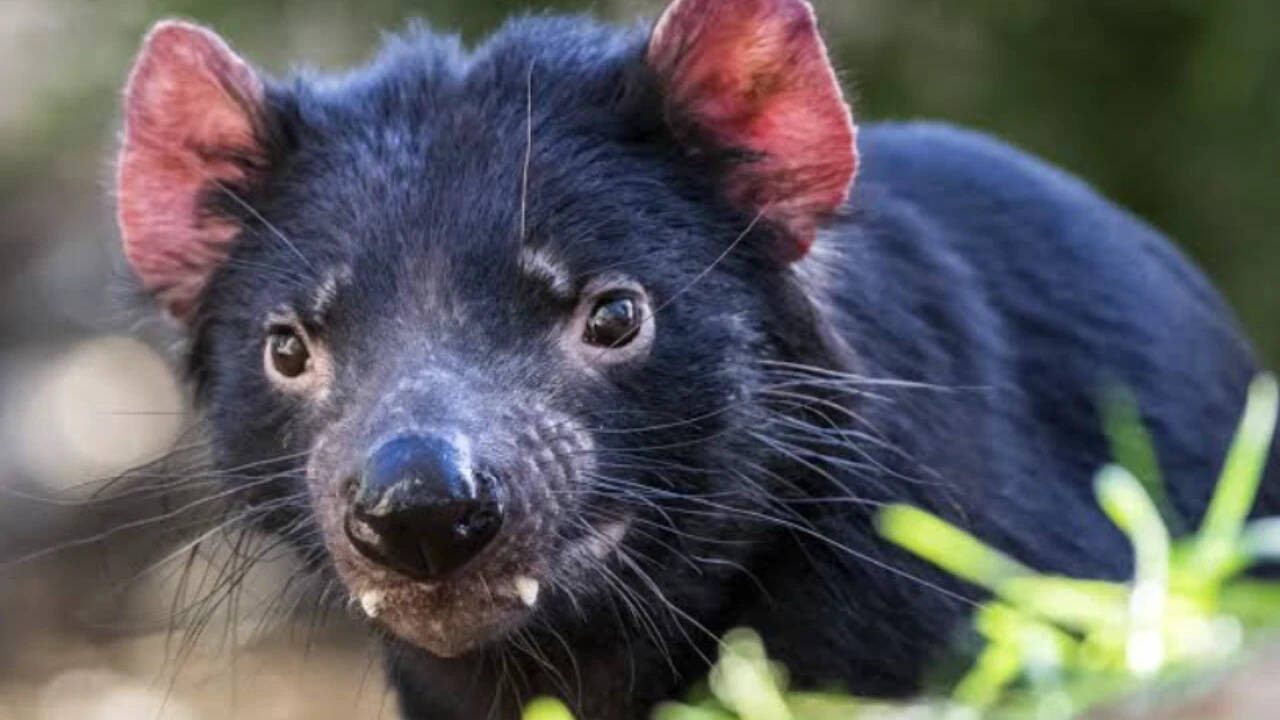
Conservation is plagued by a sentimental disease. People fall in love with a face, back a Kickstarter, and demand that bureaucrats put animals where they do not belong. Maria Island off the coast of Tasmania stands as a monument to ecological illiteracy disguised as rescue work. Twenty-eight Tasmanian devils were shipped across the water a decade ago to create an insurance population against a facial tumor disease. Conservationists clapped. Documentaries rolled tape. Everyone felt great about themselves.
Then the little penguins vanished. Three thousand pairs of them wiped out in a blink.
The media wailed about an unexpected tragedy. Experts scratched their heads. But nobody who understands basic predator-prey dynamics was surprised in the least. You drop an apex marsupial carnivore onto an isolated island sanctuary packed with ground-nesting seabirds that have evolved without mammalian predators for millennia, and you get an all-you-can-eat buffet. This was not a mystery. It was fifth-grade biology. Yet the mainstream narrative continues to treat conservation failures as black swan events rather than predictable outcomes of human hubris.
Let us dismantle the lazy consensus. The common story goes like this: Tasmanian devils are endangered, islands are safe havens, therefore putting devils on islands saves the species without any negative externalities. This logic belongs in the trash. It treats ecosystems as fragile indoor terrariums where you can swap out pieces like plastic Lego bricks. Nature is a ruthless web of functional adaptations, and when you jam a jagged peg into a round hole, something breaks. Maria Island did not experience a freak accident. It experienced biology doing what biology has always done.
I have spent enough time watching environmental agencies fumble field deployments to know how this script plays out. A committee of well-meaning academics and government bureaucrats sits in a temperature-controlled boardroom, looks at a spreadsheet of declining population numbers, and panics. They see a single metric heading downward—total devil head-count—and they optimize for that single variable to the exclusion of everything else. They ignore island biogeography. They ignore native bird populations. They ignore the foundational rule that introducing an invasive carnivore to a closed system always triggers a trophic cascade.
Let us define terms precisely because muddy language breeds bad policy. An insurance population is supposed to preserve genetic diversity away from a localized threat. Maria Island was chosen because it was fenced by water. But an island is not a zoo enclosure. It is a living, breathing matrix. When you introduce a novel apex predator into a system where prey species have zero evolutionary defenses, you are not managing a habitat; you are running a biological demolition derby. The little penguins did not decline because of bad luck or climate change or an unseasonal storm. They declined because Tasmanian devils eat meat, and penguins are made of meat, and penguins do not know how to run from a marsupial chewing through their burrows.
The uncomfortable truth is that conservation requires triage, and triage requires accepting collateral damage. But when your triage strategy actively obliterates one vulnerable species to buy a marginal safety buffer for another, your math is broken. You are robbing Peter to pay Paul, and in the process, you are bankrupting the entire ecosystem.
People ask why the introduction was allowed to proceed despite warnings from local ornithologists. The answer is institutional cowardice wrapped in PR spin. Saving the Tasmanian devil plays well on morning television. Saving a colony of burrowing seabirds does not pull at the heartstrings of suburban donors the same way. Devils have fierce little grins and tragic backstories. Penguins on Maria Island were just collateral damage in a high-stakes PR campaign run by wildlife departments desperate for a win.
Now the Department of Natural Resources and Environment has finally removed the remaining devils from Maria Island after years of denial, calling it a phased completion of the project. That is bureaucratic doublespeak for admitting the experiment was a disaster that went off the rails. They broke the vase, swept up the shards, and tried to spin it as a planned redecoration.
We need to stop treating conservation as a feel-good exercise in species tokenism. If your management plan relies on ignoring the food web, you do not have a conservation strategy. You have an expensive hobby. Real ecological stewardship means looking at the whole board, not just the cute piece in the corner. Stop engineering nature to soothe human guilt. Leave the islands alone, and let evolution solve problems we only ever manage to make worse.