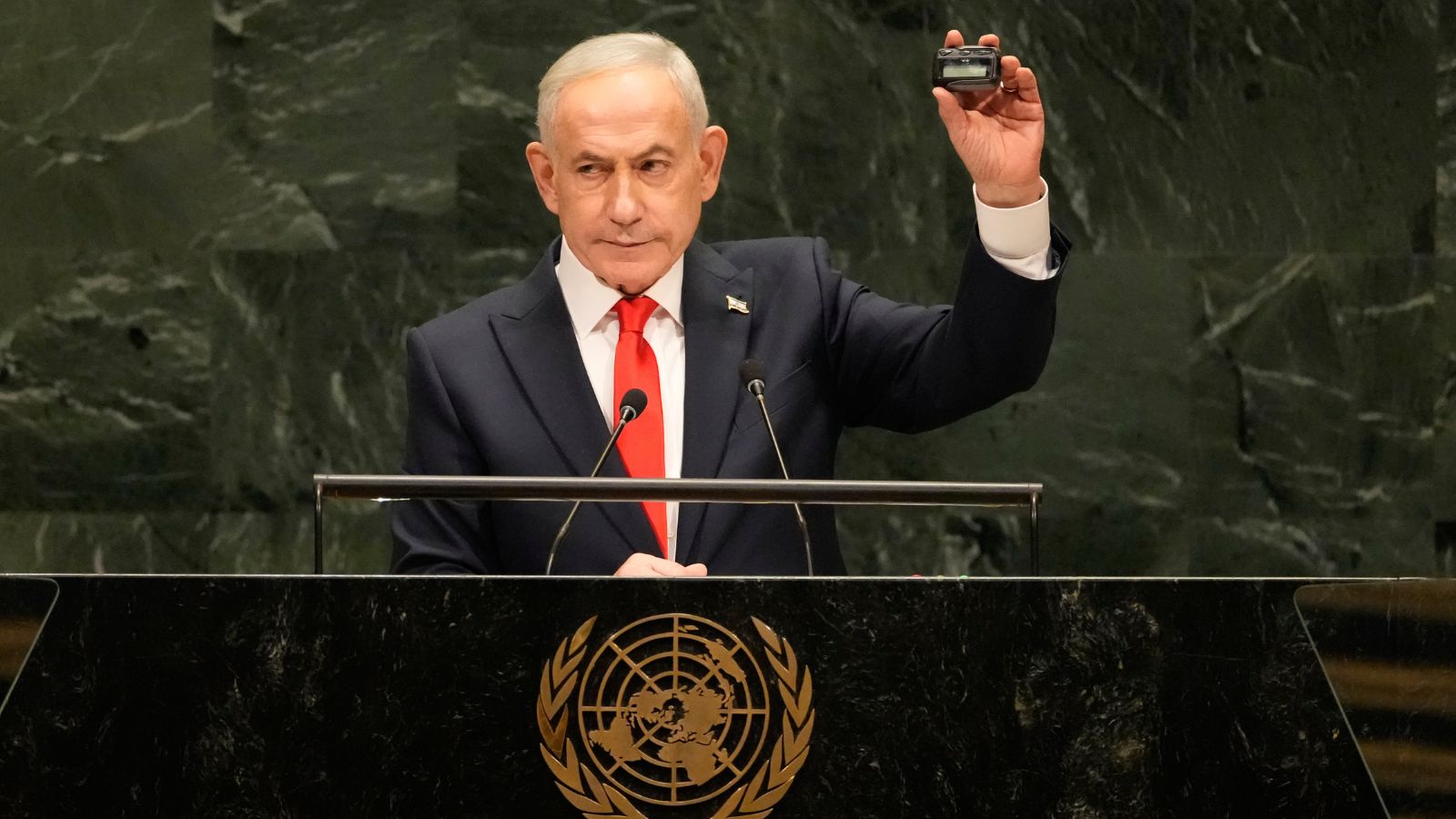
Geopolitical rumors travel fast in the Middle East, but Riyadh moved faster to squash them. When whispers surfaced claiming that Saudi officials quietly sat down with Israeli Prime Minister Benjamin Netanyahu during his visit to the United Arab Emirates, the kingdom didn't hesitate. A senior Saudi official issued a blunt denial, stating there were no meetings, no talks, and nothing whatsoever to the reports.
If you've been tracking regional diplomacy, you know why these rumors matter. Any hint of backchannel communication between Riyadh and Jerusalem draws intense global scrutiny, especially against the backdrop of shifting alliances and ongoing conflict. Yet, the official response underscores a rigid reality that many commentators prefer to ignore. Riyadh's core policy isn't shifting based on whispered leaks in foreign press outlets.
The Source of the Speculation
The confusion started when regional media reports—initially sparked by outlets like Israel's Ynet—claimed that Netanyahu's trip to Abu Dhabi included an expanded second phase. According to those unconfirmed accounts, the alleged gathering brought together representatives from several Arab nations, including Saudi Arabia and Jordan, to discuss security cooperation, regional defense frameworks, and mutual concerns regarding Iran and the Houthis.
For political observers, a multi-nation security chat sounded plausible on paper. The UAE famously normalized ties with Israel through the Abraham Accords during Donald Trump's first presidential term, establishing a precedent for open bilateral engagement. Other nations maintain varying degrees of diplomatic or working channels. But projecting that openness onto Riyadh ignores the kingdom's explicit diplomatic red lines.
Why Riyadh's Stance Has Not Moved
Saudi officials have repeated a singular baseline condition for years: full normalization of relations with Israel is completely off the table without a credible, irreversible path toward Palestinian statehood.
That stance isn't casual negotiation posturing. It's a foundational pillar of Saudi foreign policy, dictated by regional leadership ambitions, domestic sentiment, and long-term strategic calculations. When anonymous leaks suggest otherwise, the kingdom moves quickly to set the record straight precisely because ambiguity damages its credibility across the wider Arab and Islamic world.
Other regional governments also pushed back against the speculative reports. Jordanian officials similarly dismissed claims of their attendance as baseless, highlighting how quickly domestic and regional politics can distort routine diplomatic travel into sensational headlines.
Cutting Through the Noise
Secret diplomacy certainly happens behind closed doors in international relations, but major geopolitical pivots rarely happen by accident or unverified press leaks. When Riyadh decides to engage or shift its posture toward Israel, it won't arrive via anonymous sources whispering to reporters. It will come through official channels with clear, heavy-weight strategic objectives attached. Until then, treat speculative regional reporting with a heavy dose of skepticism.


