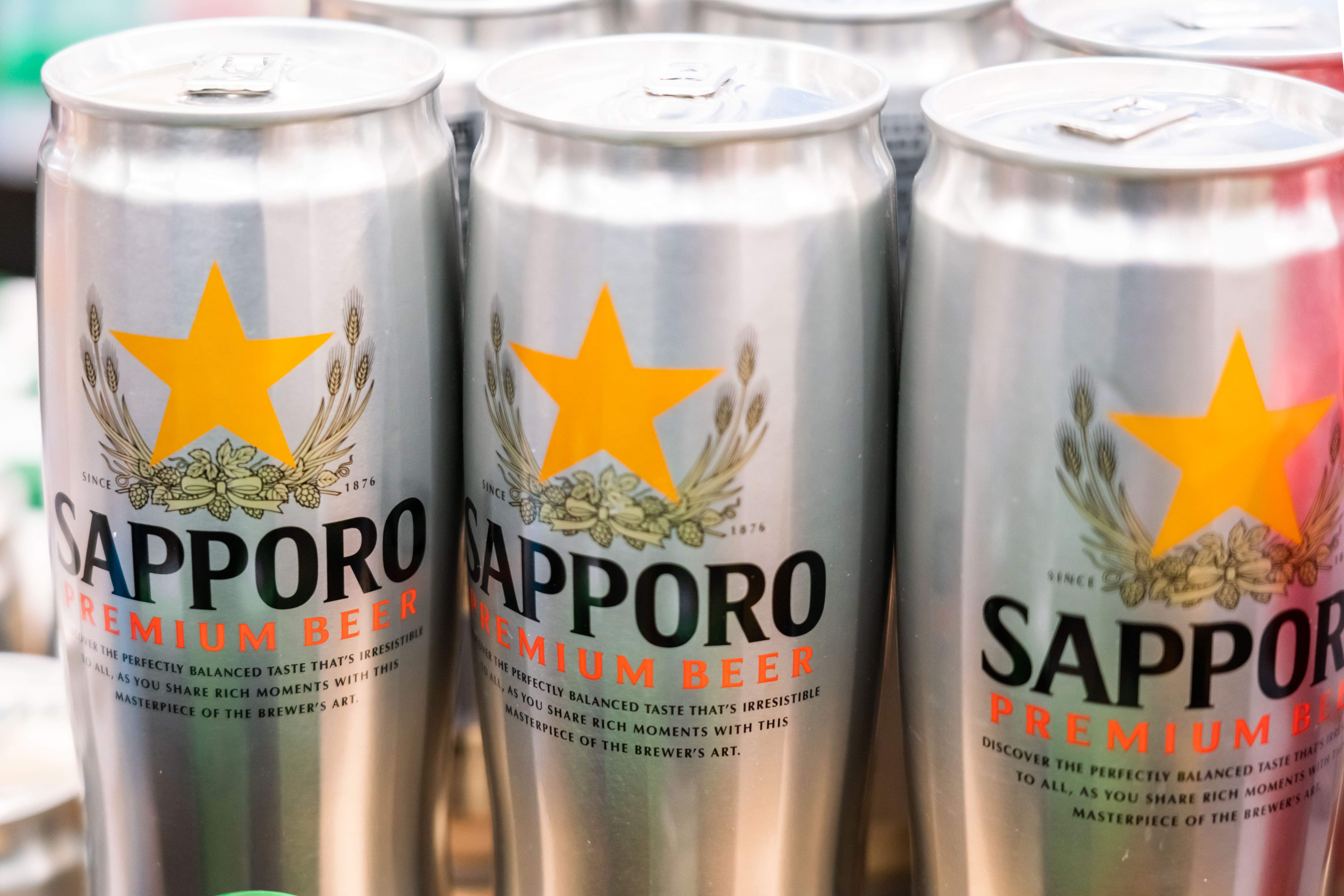
Trade wars force heavy adjustments. When the White House slapped steep tariffs on Canadian imports, multinational corporations began scrambling to protect their margins. Japanese brewing giant Sapporo found itself caught squarely in the crossfire. Headlines exploded with claims that Sapporo was yanking its manufacturing right out of Canada due to escalating trade tensions.
The reality on the ground is much messier.
Sleeman Breweries, Sapporo’s Canadian arm, quickly walked back the breathless panic. The corporate machine clarified that the chatter about relocating production is far from finalized. The potential shift involves only a tiny slice of total Canadian output—specifically, the zero-proof Sapporo 0.0% brewed for American drinkers. That niche product accounts for a mere 0.5 percent of Sleeman’s total volume north of the border.
Let's look at why this logistics pivot is hitting the news cycle now.
The Tariff Pressure That Triggered the Panic
Trade talks between Ottawa and Washington collapsed completely, paving the way for heavy tariffs on cross-border alcohol. Chief strategy officer Rieko Shofu didn't mince words when speaking to financial outlets, admitting that external taxes are entirely out of the company's hands. When a 50 percent tariff looms over your export line, you look at your map differently.
For American consumers buying Asian import labels, the U.S. market represents massive momentum. Sapporo leads Asian beer sales across the United States. Leaving money on the table because of border taxes makes zero financial sense. Shofu noted that moving toward local U.S. production for American-bound zero-proof cans is a logical defense mechanism.
Target dates floated for the first half of 2027. Yet, official statements emphasize that ink isn't dry on any contract.
What This Means for Canadian Operations
People love to extrapolate a minor supply chain tweak into an economic apocalypse. Social media feeds filled up with rumors that Sapporo was abandoning Sleeman and Unibroue entirely. That is flatly false.
Canadian facilities will continue pumping out the vast majority of beers destined for local shelves. The Guelph facility and other Canadian operations remain fully operational and central to the company's North American footprint. If you buy a standard Sapporo or Sleeman brew in Canada, it stays Canadian-made. The lone exception has long been larger 650ml cans shipped directly from Vietnam.
Shifting 0.5 percent of production is a drop in the bucket. It is a tactical adjustment to dodge border penalties, not an exodus.
The Logistics Puzzle of Brewing Stateside
If Sapporo actually pulls the trigger on moving zero-proof production southward by 2027, they face an infrastructure puzzle. Shofu pointed out that the company is weighing multiple paths. They could build a brand-new facility, acquire an existing plant on the U.S. West Coast, or partner with a contract brewer.
Building from scratch takes years and massive capital allocation. Contract brewing offers speed, but you lose granular control over proprietary brewing secrets.
Furthermore, Sapporo's existing U.S. brewery in La Crosse, Wisconsin, is already nearing capacity thanks to soaring demand. Dropping another product line into that facility isn't realistic without straining operations. West Coast capacity makes geographic sense for shipping logistics, but finding the right real estate or partner requires patience.
The Bigger Picture for Cross-Border Brands
Corporations hate uncertainty. Tariffs act as an invisible tax on efficiency, forcing companies to localize supply chains they previously centralized for cost-effectiveness.
When you track stories like this, look past the sensationalized headers. A company exploring an option to move a fraction of a single product line is performing basic risk management. They aren't abandoning their history or their workforce overnight.
Keep an eye on corporate announcements over the next year. Until concrete real estate purchases or contract brewing agreements get signed, this multi-million dollar shift remains a strategic talking point rather than a done deal. Assess supply chain vulnerabilities in your own portfolio before assuming geopolitical noise signals permanent industrial flight.