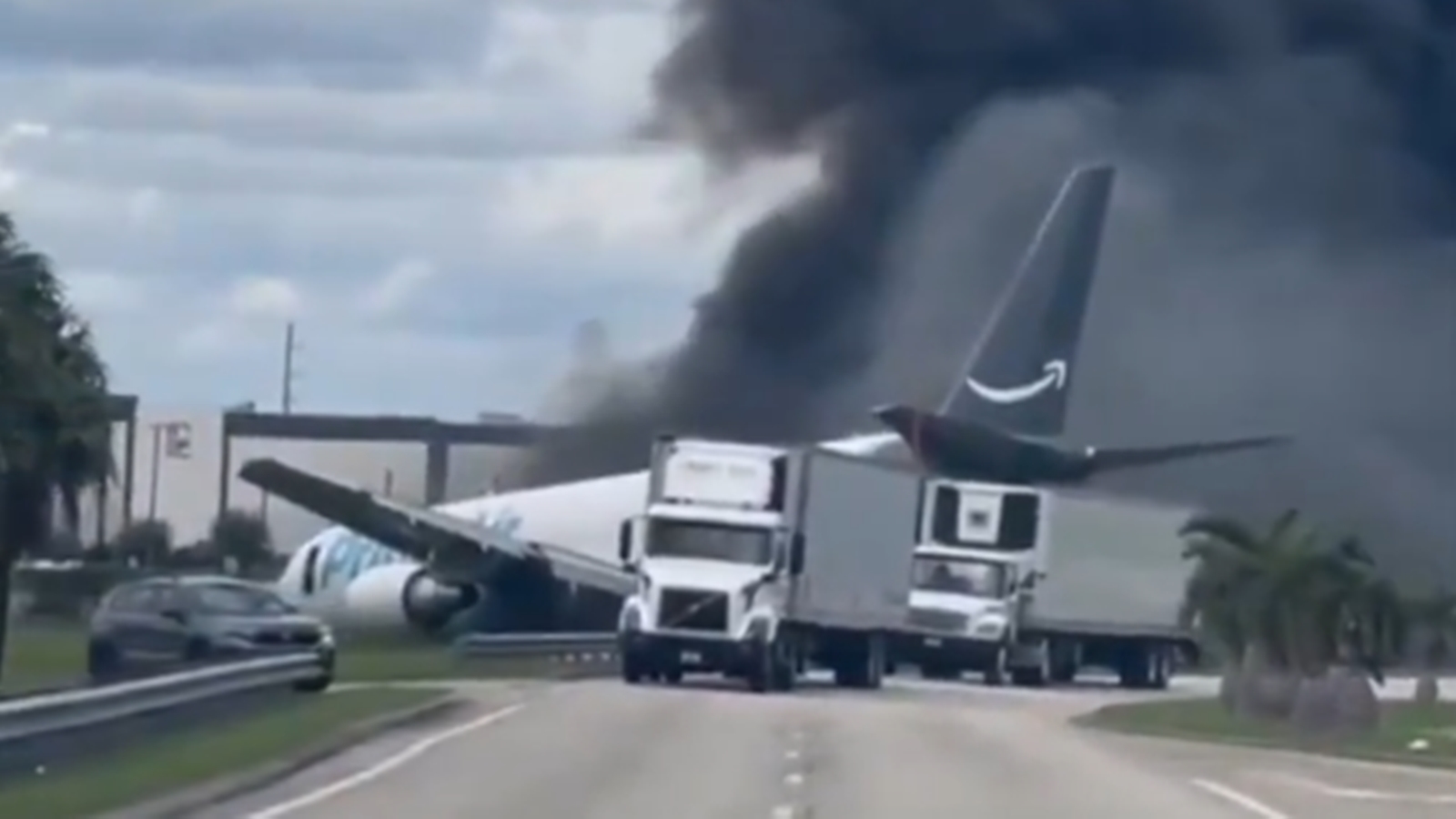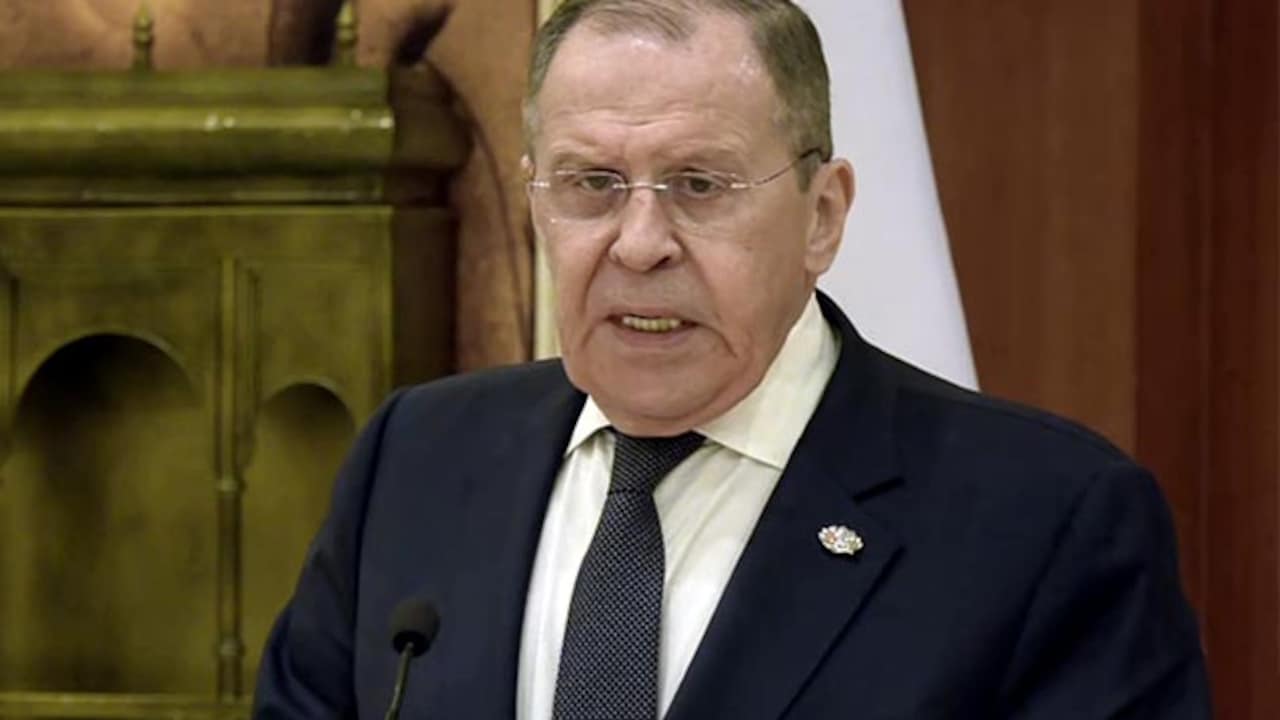
Accusations are flying, cultural centers are closing, and diplomatic lines are snapping. Russian Foreign Minister Sergei Lavrov just accused Berlin of wanting war again, reacting to explosive allegations that Moscow planted a drone at Leipzig/Halle Airport. It is a massive escalation in a cold-turned-hot hybrid conflict.
Berlin didn't point fingers lightly. German Interior Minister Alexander Dobrindt and Foreign Minister Johann Wadephul laid out the evidence following an August 4 incident where an explosive-laden drone turned up near a Ukrainian cargo aircraft at the Leipzig hub. According to German authorities, the detonator, configuration, and explosive patterns matched prior Russian hybrid operations.
Berlin responded swiftly. They ordered the closure of Russia's final consulate in Germany, located in Bonn, and targeted the Russian House of Science and Culture in Berlin. They are also clamping down on Russia's "shadow fleet" of oil tankers navigating Baltic and North Sea waters.
Moscow hit back hard. Lavrov didn't mince words in a state TV interview, calling the accusations the start of a real war and pointing fingers directly at German Chancellor Friedrich Merz. Lavrov claimed that Merz's ambitions to make Germany a leading military power in Europe are translating into a direct declaration of war against Russia. He even invoked historical rhetoric, accusing Berlin of reviving elements of Nazism.
The Reality of Hybrid Warfare in Europe
Europe isn't officially at war with Russia, but the gray zone is eroding fast. Officials in Berlin call Germany a daily target of sabotage, cyberattacks, and logistical disruptions. The attempted strike at Leipzig/Halle Airport wasn't chosen at random. That facility serves as a vital international freight artery supporting Ukraine.
When low-level operatives target a freight hub handling Ukrainian transport, the message is clear. Moscow wants to choke supply chains without triggering Article 5 of NATO. But Germany's patience has worn thin.
NATO and European Union leadership rallied behind Berlin instantly. European Commission President Ursula von der Leyen promised total solidarity, while NATO Secretary General Mark Rutte called the alliance's defense support ironclad. Nations across the continent, from Poland to the UK, summoned Russian envoys in synchronized protest.
What Happens Next to Diplomatic Ties
The diplomatic fallout is immediate and irreversible. Cultural institutions that stood for decades as bridges between civil societies are getting shuttered. Moscow is matching every German expulsion with retaliatory expulsions of its own, signaling that bilateral relations have hit their lowest point since the Cold War.
Economic pressure is mounting too. The EU is lining up another sweeping package of sanctions targeting thousands of entities connected to the Kremlin. Meanwhile, European governments are scrambling to secure critical infrastructure against more sabotage attempts.
The rhetoric coming out of Moscow shows no sign of softening. As long as Berlin remains a primary financial and military backer of Ukraine, the gray-zone war on European soil will only intensify.