When 600,000 people lose electricity in a single wave of attacks, it's not a random casualty of war. It's a calculated squeeze.
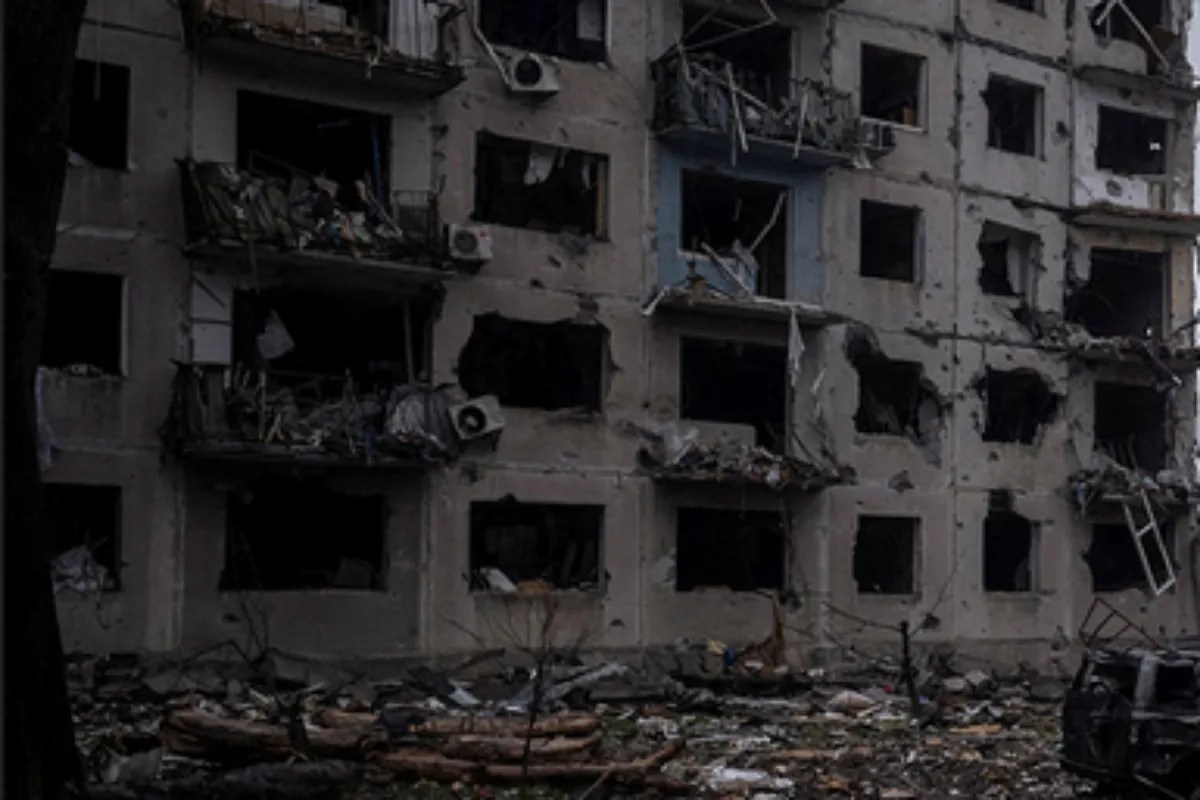
In early November 2026, overnight strikes on energy facilities in Ukraine's Dnipropetrovsk region knocked out power for more than 600,000 people, and fresh hits followed within days. Across the country, rolling blackouts, heating disruptions in apartment blocks like Zhytomyr, and sudden grid drops have become part of daily life as cold weather settles in. If you're wondering why Moscow keeps hitting substations, transformers, and power lines right before winter bites, the answer comes down to leverage, exhaustion, and timing.
Basic wire-service reports usually stop at the headline number. Six hundred thousand in the dark. A few damaged substations. Crews working around the clock. That tells you what happened, sure, but it barely scratches why this tactic keeps repeating every autumn and winter.
To understand what's really going on, you have to look at how an electrical grid behaves under stress—and how politics and physics collide when temperatures drop.
How winter turns a power outage into a weapon
Summer blackouts are annoying. Winter blackouts are dangerous.
In Ukraine, millions of urban residents live in district-heated apartment blocks where warmth, water pressure, and sometimes even cooking depend on municipal utilities that need steady electricity to pump and circulate. When a strike takes out a substation or transmission line, the problem rarely stops at a dark lightbulb. Heating systems stall, water pumps lose pressure, and families face freezing rooms while repair crews race against sub-zero forecasts.
President Volodymyr Zelenskyy has pointed out that Russia intensified its campaign against energy, heating, and water infrastructure starting in late September, timing the escalation ahead of winter and diplomatic talks. That timing matters. When diplomatic pressure ramps up, hitting the grid is meant to signal that life inside Ukraine will keep getting harder unless Kyiv bends.
Honestly, there's a brutal logic to targeting substations rather than just giant power plants. High-voltage substations and transformers are specialized, heavy, and hard to replace quickly. Even if generation capacity exists somewhere on the network, knocking out key links can isolate regions, force precautionary power reductions at nuclear plants, and trigger emergency blackouts across multiple oblasts at once.
The International Atomic Energy Agency (IAEA) has repeatedly warned that grid instability caused by strikes on substations affects nuclear safety. Operating nuclear reactors rely on stable external power lines and functioning grid balance; when strikes rattle the network, plants sometimes have to cut output or disconnect units as a precaution, and the Zaporizhzhya Nuclear Power Plant has faced repeated losses of off-site power that require localized ceasefires just to repair lines. You don't have to hit a reactor dome to create a serious hazard—messing with the surrounding high-voltage grid is risky enough.
Why grid defense is harder than people assume
From the outside, people often ask a simple question: Why can't Ukraine just protect its power stations and repair them faster?
I've watched enough infrastructure crises to know that "just protect it" sounds great on paper and gets messy fast in reality. A national power grid isn't one fortress. It's thousands of kilometers of lines, dozens of major substations, distribution nodes, and switchyards spread across a huge map. Air defense interceptors are finite and expensive. You simply cannot put a thick shield over every transformer in every region without leaving other cities or front-line sectors exposed.
Repair work has its own bottleneck. Linemen and engineers do heroic work—DTEK and regional utilities have restored power to hundreds of thousands of households in single weeks even under threat—but they can't fix live gear while drones or missiles are overhead. Heavy transformers also take time to source, transport, and wire into existing high-voltage architecture.
There's also a political friction point that doesn't get enough attention in quick news summaries. Energy stress spills straight into domestic politics. In mid-October 2026, demonstrators gathered outside Kyiv's City Hall over winter readiness and shelter concerns, exposing sharp tension between national leadership and Kyiv Mayor Vitali Klitschko over how local preparations and energy strain are handled. When people are cold and tired, blame travels fast.
At the same time, international legal scholars and human rights monitors debate the exact legal framing of these strikes. Under international humanitarian law, combatants argue over whether grid nodes serve dual military-industrial purposes, while legal analysts point out that strikes causing severe, foreseeable civilian harm—like freezing temperatures, loss of heat, and water outages—raise grave questions of proportionality and unlawful attacks on civilians. Data on exact civilian health impacts from cold and outages is often incomplete during active fighting, which is why credible observers stick to documented outages, infrastructure hits, and humanitarian assessments rather than guessing totals.
What actually works when the lights go out
When you're dealing with repeated strikes on energy infrastructure, big centralized fixes take months or years, while households need practical resilience right now. In real-world emergencies, two things separate families and communities that cope from those that panic: redundancy and basic thermal/power planning.
Small, decentralized power doesn't replace a national grid, obviously. A portable inverter or small battery station won't run an electric furnace. Still, keeping phones charged, running a small LED light, or powering a medical device or router makes a huge difference during multi-hour rolling blackouts.
Heat retention is the mistake people make most often when the power cuts out. Folks crank space heaters when power is briefly on, leave doors open checking on neighbors, or tape up windows at the last minute. Once a concrete apartment cools down in late autumn or winter, getting it warm again takes serious energy. Trapping warmth early, sealing drafts around windows and doors, and concentrating in one interior room works way better than trying to heat an entire apartment with a small backup source.
If you're following this crisis—or advising, donating to, or preparing for winter energy disruptions—skip the vague outrage and focus on concrete steps:
- Track verified infrastructure and humanitarian updates from sources like the IAEA Ukraine updates, RFE/RL, and major international wire reports rather than unverified social media claims about grid collapse.
- Support targeted equipment, not generic slogans, if you're contributing aid—transformers, generators, heating supplies, and insulated shelter gear address real bottlenecks on the ground.
- Build personal outage basics at home if you live anywhere prone to winter grid strain: keep power banks charged, store drinking water (since electric pumps can fail during outages), and have non-electric lighting and warm layers ready before cold snaps hit.
Power grids bend under pressure, and winter makes every crack wider. Watching who adapts fastest—engineers on the lines, cities managing heat, or families keeping warm—tells you far more about the grind of this conflict than any single blackout number ever could.