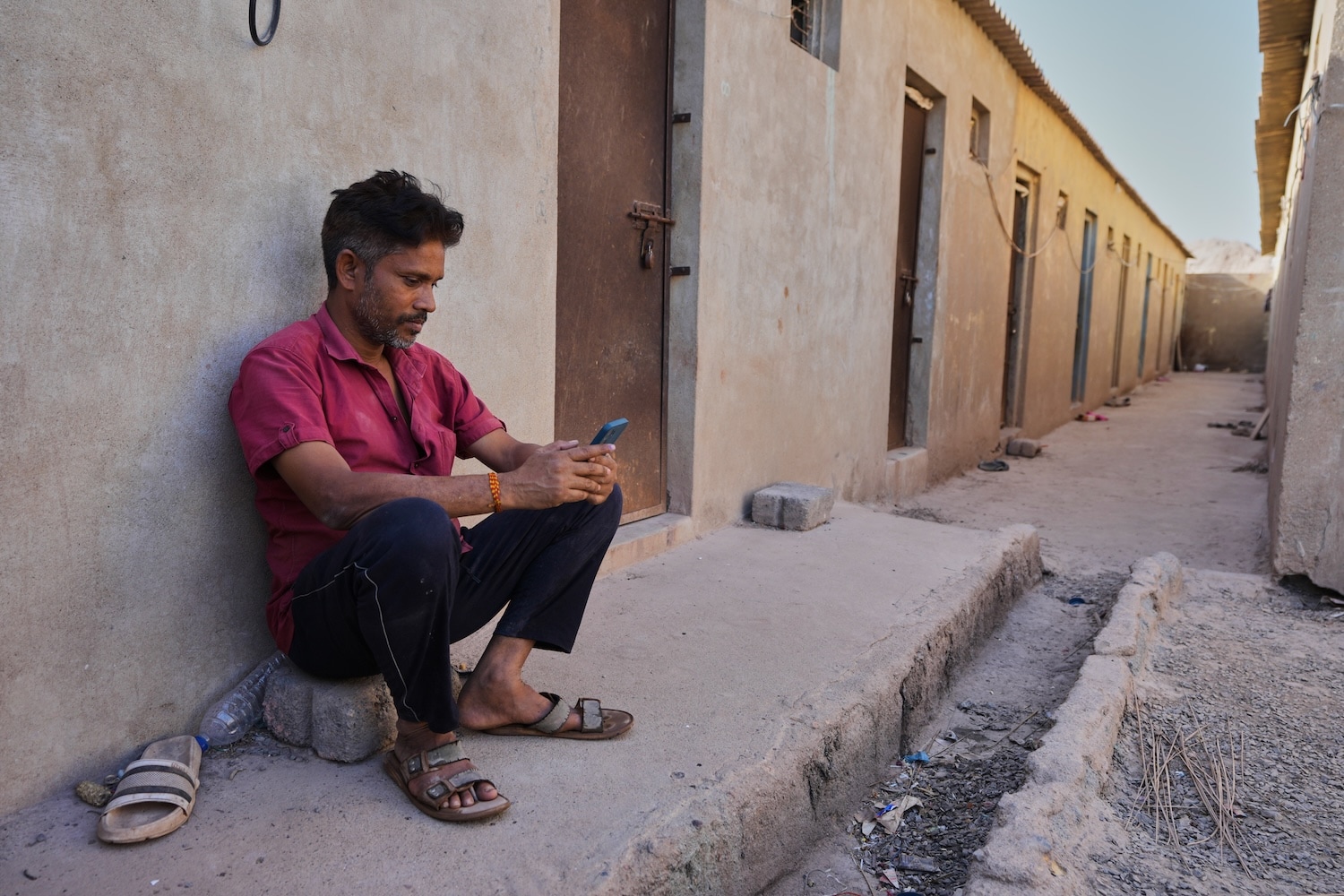
Russia is running out of people to build things. The country is facing a massive workforce deficit, and its largest lender, Sberbank, wants to fix it by flying in hundreds of thousands of workers from India.
During the St. Petersburg International Economic Forum, Sberbank executive Anatoly Popov went public with a stark message. Russia's construction sector is in deep trouble, and the bank is setting up a massive recruitment pipeline to pull surplus labor directly from the Indian market. The Russian Ministry of Labor estimates the construction industry alone needs an extra 789,000 workers by 2030 just to keep basic operations afloat. Total labor shortages across the wider economy are hovering around 2.3 million vacancies. For a closer look into similar topics, we recommend: this related article.
This isn't a minor corporate issue. It's a full-blown structural crisis. The launch of new Russian construction projects plummeted by nearly 20% over the last year because builders simply don't have the hands to pour concrete or lay brick.
The Cold Math Behind the Indian Labor Pivot
For decades, Russian developers relied on a steady flow of cheap labor from former Soviet republics in Central Asia like Uzbekistan, Tajikistan, and Kyrgyzstan. That pipeline is dry. For broader details on the matter, extensive coverage can be read on Forbes.
A crumbling ruble makes working in Russia far less lucrative than it used to be. Worse, the brutal political fallout and subsequent security crackdowns following the March 2024 Crocus City Hall terrorist attack have triggered heavy-handed migration checks and a rise in nativist rhetoric. Central Asian workers are staying home or looking elsewhere, and the Russian state is panicking.
Sberbank sees India as the only viable alternative. India has a massive, young population with a median age of just 28.4 years and a highly regarded footprint in global infrastructure projects.
"The Indian market possesses a massive surplus workforce," Popov noted, pointing out that Indian crews built vast portions of the modern Persian Gulf infrastructure and projects like the Dubai Expo. "This service will be heavily demanded on the market of Russia."
The policy shift is already visible in government data. The Kremlin raised its visa quota for skilled workers from non-CIS nations to over 234,000, and the Russian Labor Ministry explicitly allocated nearly a third of those slots—more than 71,817 permits—straight to Indian passport holders. Compare that to 2021, before the invasion of Ukraine, when Russia approved a grand total of just 5,000 work permits for Indian nationals.
What Indian Workers Earn and What They Face
From a pure cash perspective, the migration makes sense for a young construction worker from Punjab or Kerala. The domestic job market in India isn't keeping pace with its youth boom.
In Russia, an entry-level Indian laborer can expect to bring home around $500 to $600 a month. Skilled workers, heavy machinery operators, and civil engineers pull in $1,000 or more. On average, that's roughly 60% more than they would earn for the exact same work back home. Russian companies are even throwing in health insurance, housing allowances, and relocation support to sweeten the deal.
But it's a massive gamble. Outbound workers face extreme language barriers and brutal winters. There are also deep concerns about social integration. Right now, only about 14,000 non-resident Indians live full-time in Russia. Expanding that number into the hundreds of thousands will test a local population that has grown increasingly hostile to foreign labor.
There's an even darker risk. Multiple reporting agencies have documented cases of foreign workers and medical students being scammed by shady recruitment agents, ending up with passports confiscated or coerced into signing military contracts. Both New Delhi and Moscow have had to formalize a labor mobility framework to crack down on rogue middle-men and guarantee basic labor safety.
Sberbank's Financial Machinery Smooths the Transition
Sberbank isn't just offering friendly advice. It's building the corporate infrastructure to manage this migration. Because Western sanctions have largely cut Russia off from international banking systems like SWIFT, moving money out of Russia is incredibly difficult.
To bypass this hurdle, Sberbank expanded its operations in India, building out an IT hub in Bangalore and setting up specialized banking channels through its branches in New Delhi and Mumbai. This allows Indian workers to send their earnings back home to their families without getting blocked by international financial blockades.
Russian employers are looking for more than just raw muscle. Foreign workers bring specific expertise in green construction technologies and digital infrastructure management, such as drone operations and advanced logistics, which Russian firms are struggling to develop internally due to tech sanctions.
If you are an international recruiter, an industrial developer, or a subcontractor looking to tap into this shifting labor corridor, navigating the new legal landscape requires immediate, concrete steps:
- Use Authorized Channels Only: Work exclusively through platforms registered under the December bilateral labor mobility agreement. Avoid third-party placement agencies that do not have direct integration with Sberbank’s verified corporate portal.
- Verify the Visa Quota Category: Ensure your job placements fit squarely into the 92% segment of the quota reserved by the Russian Labor Ministry for high-priority infrastructure and industrial projects, which receive fast-tracked processing.
- Audit Remittance Paths Before Departure: Confirm that your employer uses the Sberbank-to-India direct payment pipeline to guarantee that your monthly dollar-equivalent earnings can actually be sent back home without getting frozen by banking sanctions.
The days of relying on traditional regional immigration are over for Moscow. The alliance between Russian capital and Indian labor is no longer just a diplomatic talking point. It is a core economic survival strategy.