When lifeboats carrying more than 100 rescued migrants were blocked from docking at major UK ports, it wasn't just an operational hiccup. It was a glaring warning sign. The Royal National Lifeboat Institution (RNLI) now finds itself demanding answers after multiple facilities turned away vessels carrying vulnerable people intercepted off the Isle of Wight.
If you look past the headlines, this mess highlights a deeper breakdown in coordination between maritime authorities, port operators, and government infrastructure. Let's break down what actually happened and why everyone is pointing fingers. Read more on a connected subject: this related article.
What Happened During the Port Standoff
The incident kicked off when RNLI vessels picked up approximately 120 migrants from small boats in the Channel. Standard protocol dictates that rescued individuals are brought to the nearest safe port for processing. Except this time, standard protocol completely broke down.
Both Portsmouth Harbour and Associated British Ports (ABP), which operates Southampton, refused requests to let the lifeboats dock. Southampton officials made their stance clear: they stated it wasn't the closest port and they lacked suitable reception facilities to handle that volume of people. The King's Harbour Master in Portsmouth also turned down the request. More reporting by Associated Press delves into related views on this issue.
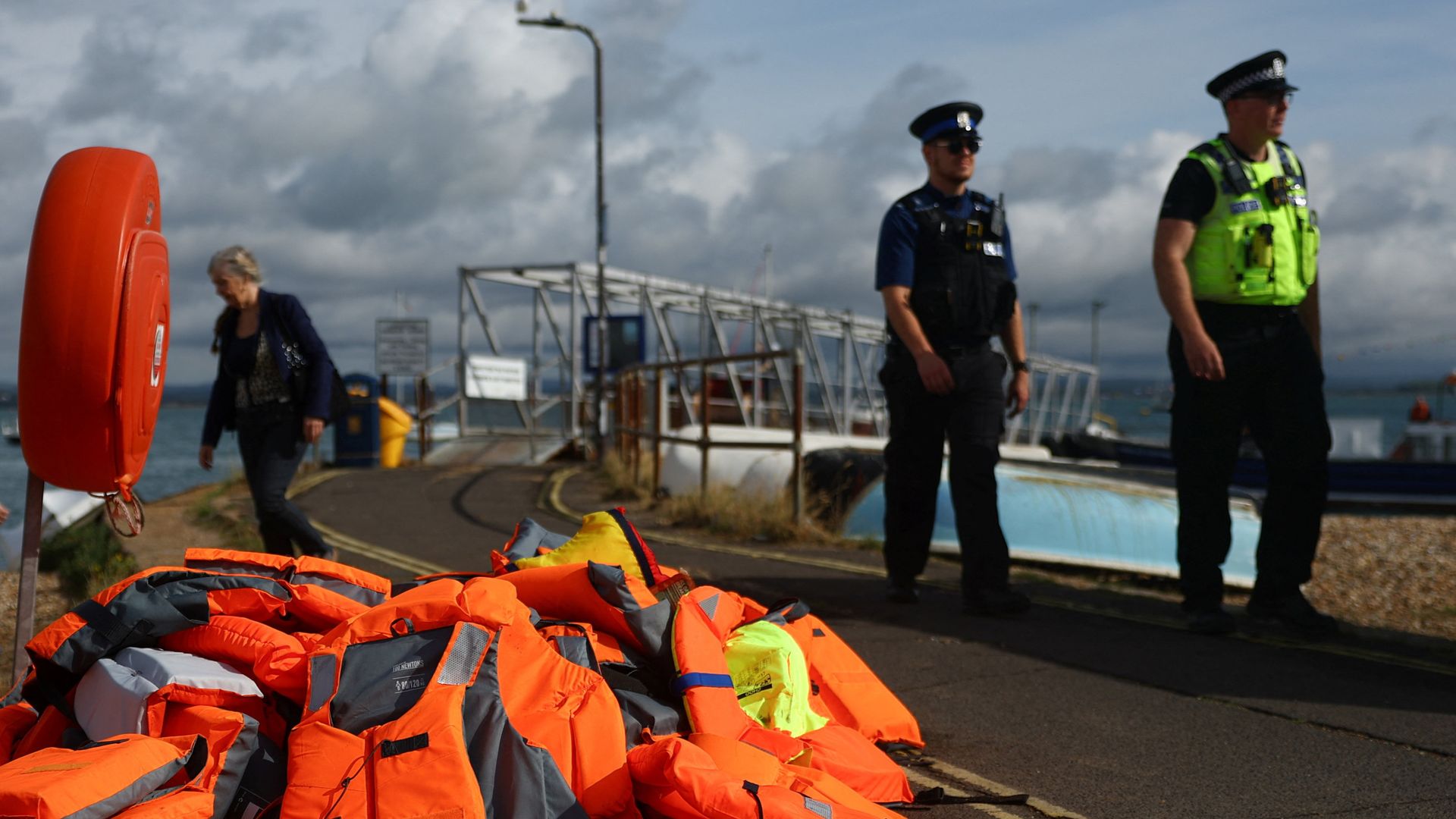
Left with limited options, the lifeboats eventually headed for Eastney in Langstone Harbour. That decision triggered a chaotic chain reaction on land. Protesters blocked the single access road, riot police rushed to the scene, and violent clashes erupted, leaving multiple police officers injured during a standoff that dragged into the early hours of the morning.
Why the RNLI is Frustrated
Volunteers put their lives on the line to save people at sea, regardless of nationality or circumstance. They don't choose immigration policy, and they don't pick where they are told to land.
An RNLI spokesperson didn't hide their annoyance, stating they are working to understand the decision to deny access while expressing deep disappointment over the communication breakdown with their crews. Imagine volunteering your free time to pull freezing people out of the water, only to be bounced from port to port like an unwanted parcel because various agencies failed to coordinate.
The government tried to downplay the fallout. Home Office minister Sarah Jones insisted officials would learn lessons, but critics point out that telling volunteers to figure it out on the fly is unacceptable. Portsmouth City Council rightly called Eastney an entirely unsuitable location for a mass landing, pointing out that it caused needless local disruption.
The Real Issues Nobody is Fixing
This fiasco brings up uncomfortable questions that authorities keep dodging.
- The Infrastructure Gap: Ports claim they lack the security and processing facilities to handle sudden influxes of asylum seekers. If major ports aren't equipped, why aren't contingency plans active?
- Communication Breakdowns: Coastguard authorities didn't issue a formal direction forcing ports to accept the vessels, leaving individual harbor masters to make ad-hoc calls.
- Public Safety Pressures: Concentrating landings in narrow, single-access peninsulas like Eastney practically guarantees gridlock and flare-ups with demonstrators.
When agencies fail to communicate, everyone suffers. The volunteers face unnecessary hostility, local communities deal with unmanaged chaos, and the core humanitarian mission of saving lives gets bogged down in political bureaucracy.
Fixing this requires clear, ironclad protocols for where rescued individuals go the second a lifeboat pulls away from a sinking dinghy. Until the government establishes dedicated landing zones with proper security and processing capacity, expect more chaotic standoffs, stranded volunteers, and angry communities.