The clinic visit is becoming a relic of the past for thousands of people seeking reproductive healthcare. If you look at the data from the last couple of years, the shift is staggering. It’s not just a small trend. It’s a massive overhaul of how people access medication. You don't need a waiting room anymore. You don't need to drive across state lines or dodge protesters at a front gate. You just need a phone and a mailbox.
Since the Supreme Court overturned Roe v. Wade, the landscape of abortion access changed overnight. But it didn't disappear. It moved online. We’re seeing a world where pills arrive in discreet envelopes, often within days of a digital consultation. According to data from #WeCount, a national research project, telehealth abortions now account for about one in five of all abortions in the United States. That’s a massive jump from nearly zero just a few years ago.
It’s efficient. It’s private. For many, it’s the only option left.
Telehealth is the New Front Line
When the legal environment shifted, providers didn't just give up. They pivoted. The Food and Drug Administration (FDA) helped clear the way during the pandemic by permanently lifting the requirement that mifepristone—the first of the two drugs used in a medication abortion—be dispensed in person. That change was the catalyst. It allowed doctors and nurses to prescribe these medications via video calls or even through "asynchronous" messaging, where you fill out a form and wait for a review.
Today, organizations like Aid Access and various state-level telehealth startups are filling the gaps left by clinic closures. If you live in a state with a total ban, you might think you’re out of luck. You’re not. Shield laws in states like Massachusetts, New York, and Washington now protect providers who ship pills to patients in restrictive states. These laws are a legal middle finger to bans, ensuring that a doctor in Seattle can help someone in Dallas without fearing immediate extradition or prosecution from Texas authorities.
Breaking Down the Two Pill Regimen
Let’s talk about what’s actually in the mail. It isn't some experimental cocktail. It’s a standardized, FDA-approved process that has been used by millions of people over the last two decades.
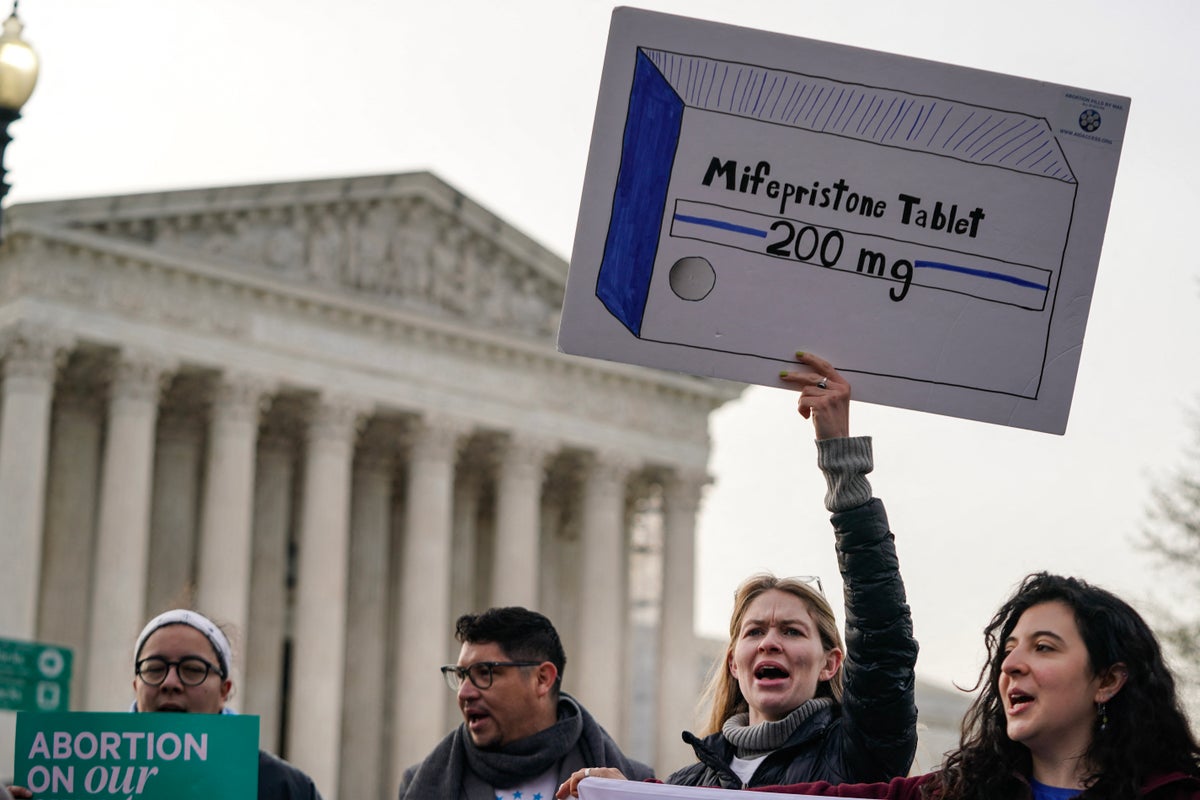
First, there’s mifepristone. This drug blocks progesterone, the hormone needed to maintain a pregnancy. Without it, the uterine lining begins to break down. Then comes misoprostol, usually taken 24 to 48 hours later. This one causes the uterus to contract and empty.
It’s essentially a self-managed miscarriage. Honestly, it’s not a walk in the park. It involves heavy cramping and bleeding. But it’s safe. Major medical groups, including the American College of Obstetricians and Gynecologists (ACOG) and the World Health Organization (WHO), have backed medication abortion as a highly effective method with a safety record better than many common over-the-counter meds like Tylenol or Viagra.
Why People are Choosing the Mailbox Over the Clinic
Cost is a huge factor. A clinic abortion can run you anywhere from $600 to $1,500 depending on where you are. Mail-order options often cost between $150 and $250. Some services, like Aid Access, operate on a sliding scale. If you can’t pay, they often provide the medication for free or at a massive discount.
Then there’s the logistics. If you’re a parent with two kids and no childcare, taking a day off work to drive six hours to a clinic is an impossible ask. The internet removes that barrier. You can do your consultation at 11:00 PM after the kids are asleep. No travel. No hotel stays. No explaining to your boss why you need a Tuesday off.
Privacy matters too. In small towns, people talk. Walking into a local health center can feel like putting your personal business on a billboard. Getting a package that looks like a pair of socks from Amazon? That’s nobody’s business but yours.
The Legal Gray Areas and Shield Laws
You might wonder how this is even legal in states where abortion is banned. It’s complicated, and honestly, it’s a bit of a cat-and-mouse game.
Shield laws are the current armor. These laws basically say that the state where the doctor lives will not cooperate with any out-of-state investigations regarding legally protected healthcare. So, if a New York doctor sends pills to a person in Idaho, New York won't hand over medical records or help Idaho police.
However, the risk isn't zero for the patient. While most state bans target providers rather than the people taking the pills, aggressive local prosecutors have occasionally tried to use "fetal harm" or "concealing a birth" laws to target individuals. This is why many advocacy groups emphasize the importance of digital privacy—using encrypted messaging apps like Signal and being careful about what you search for on a standard browser.
The Misinformation Problem
There is a lot of noise out there. You’ve probably seen ads for "abortion pill reversal." Let’s be clear: that isn't a thing supported by science. The ACOG has stated that "reversal" treatments are not based on clinical evidence and can actually be dangerous.
Another myth is that you need an ultrasound before getting pills by mail. For most people with regular periods who know when their last cycle started, an ultrasound isn't medically necessary for a medication abortion in the first ten weeks. Telehealth providers use screening questions to rule out risks like ectopic pregnancies. They’re experts at this. They know what to look for.
What to Do if You Need Access
If you’re looking for options, don't just Google "buy abortion pills." You’ll end up on sketchy sites that might send you fake meds or just steal your credit card info. Stick to verified resources.
- Plan C provides a comprehensive directory of how to get pills in every state, including the legal risks and the reliable sources for your specific zip code.
- Abortion Finder and Bedsider are reliable for finding both in-person clinics and verified telehealth providers.
- Repro Legal Helpline can answer questions about the legalities in your specific state if you’re worried about the consequences of ordering.
The reality is that the "abortion pill" isn't a niche medical product anymore. It is the primary way reproductive healthcare happens in the U.S. now. The genie is out of the bottle, and no amount of legislation seems to be able to put it back in. People want autonomy, and they’ve found a way to get it through a simple postal delivery.
If you are going this route, make sure you have Ibuprofen 800mg on hand, a heating pad, and a supportive friend you can call. It’s a medical process, but it’s one you can manage yourself. Check your state's specific status on Plan C today to see exactly who is shipping to your area. Knowing your options before you need them is the smartest move you can make.