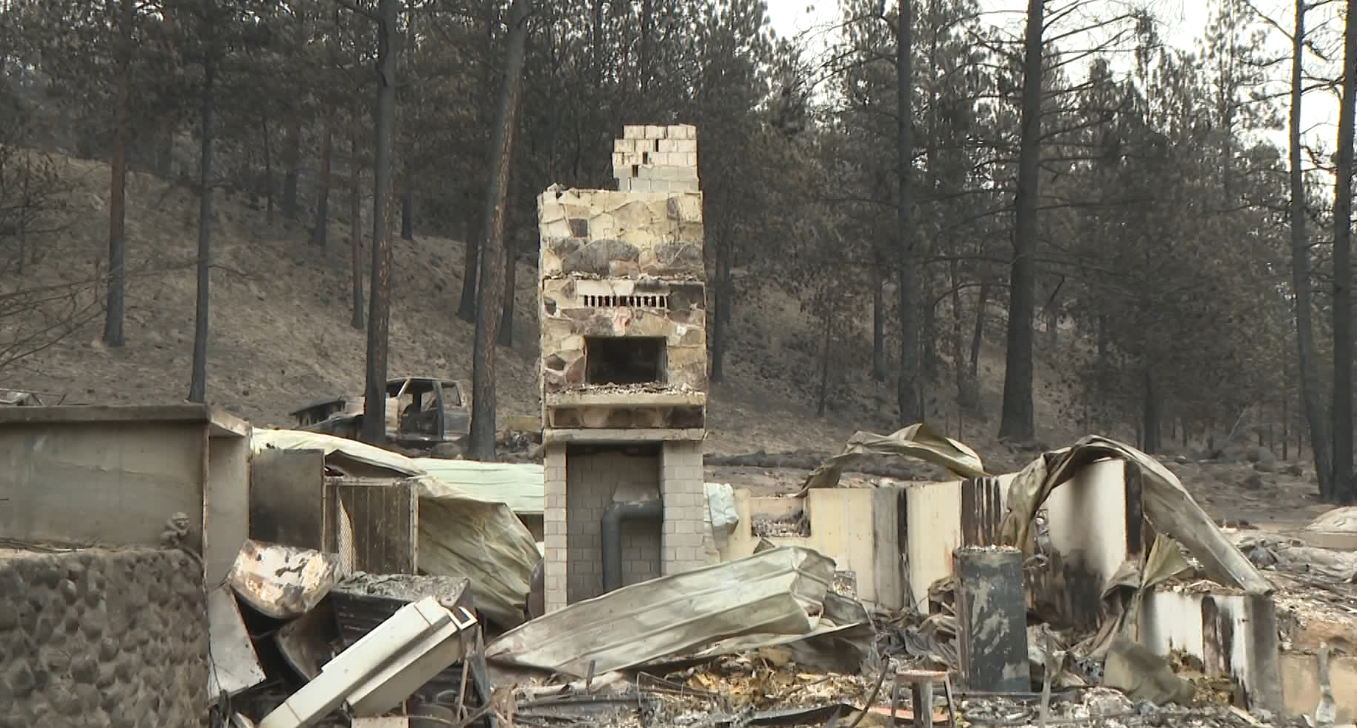
Ash doesn't just sit on the ground. It gets into your clothes, your hair, and the back of your throat. When families forced out by the Bald Range wildfire finally walked back into Faulder, British Columbia, they weren't greeted by a clean slate. They found a landscape completely rewritten by heat and wind.
You see pictures on the news, but they lie. A wide-angle shot of a burned forest misses the eerie silence. It misses the specific smell of scorched pine mixed with melted plastic and ruined insulation. For another view, consider: this related article.
Coming home after a disaster isn't a triumphant movie scene. It is a slow, heartbreaking inventory of loss.
The Reality of the Burn Zone
Wildfires move with a terrifying logic. One house stands completely untouched with plastic lawn chairs still intact on the porch, while the neighboring lot is reduced to a pile of gray powder and twisted chimney masonry. Further coverage on this matter has been provided by Al Jazeera.
That is what homeowners faced in Faulder. The Bald Range fire didn't care about property lines. It hopped fences and picked targets based on wind eddies and fuel loads.
Standing on your front step and realizing your kitchen is now open to the sky changes you. People expect to cry, but often they just go numb. They carry clipboards and take photos for insurance adjusters with dead, clinical efficiency because the human brain can only process so much trauma at once.
If you have never sifted through the remains of a child's bedroom looking for something—anything—that survived a wall of flame, you cannot understand the heaviness of it. Metal toys warped into modern art. Ceramics melted into glassy puddles.
Why Evacuation Orders Are Only Half the Battle
Getting people out safely is a logistical nightmare, sure. Emergency services coordinate highway closures, set up reception centers, and push alerts to cell phones.
Yet nobody talks enough about the return.
The physical danger doesn't vanish when the evacuation order lifts. Ash pits smolder underground for weeks. Danger trees—pines with root systems burned away completely—hang silently over driveways, ready to crash down with a gentle breeze. Power lines dangle like dead serpents. Water systems are compromised, full of backflow contamination or toxic runoff from melted PVC pipes.
Residents returning to Faulder had to wear respirators just to walk their properties. They had to bring their own water because the local utility infrastructure was fried.
The emotional exhaustion hits hardest around day three. The adrenaline fades. The shock wears off. Then the real work begins, and most people are running on four hours of sleep and pure stubbornness.
Navigating the Bureaucratic Aftermath
Insurance adjusters become your new best friends and worst enemies. You learn a whole new language overnight. Words like remediation, mitigative debris removal, and total loss enter your daily vocabulary.
The system is built for speed, but recovery crawls. You file claims, you wait for inspectors, you argue over smoke damage versus direct fire damage.
Every single receipt matters. Every conversation needs notes.
Local governments try to step in, offering waste disposal bins and waived permit fees for rebuilding, but the sheer volume of logistics overwhelms small rural communities. Faulder isn't a major municipality with a massive administrative staff. Neighbors became crisis coordinators out of absolute necessity.
What You Need to Know About Wildfire Recovery
If your community ever faces a similar threat, or if you are supporting friends through the aftermath of a major interface fire, keep a few hard truths in mind.
- Cleanup takes three times longer than you think. Clearing ash safely requires specialized protective gear and strict disposal methods to avoid spreading heavy metals into local waterways.
- Mental health support is non-negotiable. The trauma doesn't stop when the fire is out. PTSD shows up months later when a sudden windstorm rattles the windows.
- Documentation is your only shield. Take photos of everything before touching a single piece of debris, provided it is safe to do so.
Rebuilding a community like Faulder takes years, not months. The green will eventually return. Scrub brush and fireweed sprout first, painting the black earth in brilliant purples and greens. But the human landscape takes much longer to heal.
Take it one room at a time. Protect your lungs, lean on the people standing next to you, and don't let anyone rush your grief.