The rain in Seoul doesn’t just fall; it settles. It clings to the neon signs of Gangnam and pools in the uneven cobblestones of the old alleys in Jongno. On this particular Wednesday, as the sun dipped behind the granite peaks of Bukhansan, a quiet tension hummed beneath the city's surface. It wasn't the loud, percussion-heavy energy of a K-pop comeback or the frantic clicking of keyboards in a Pangyo tech hub. It was the heavy, expectant silence of a nation waiting for a red ink stain to spread across a digital map.
For many, a local election is a bureaucratic chore—a collection of names on a ballot that represent trash collection schedules or new bus routes. But in South Korea, these moments are the tectonic plates of power shifting beneath the feet of fifty million people. As the exit polls flickered onto the massive screens outside Seoul Station, the numbers told a story that cold data often obscures. The ruling People Power Party was not just winning. They were claiming the ground.
The Weight of the Stamp
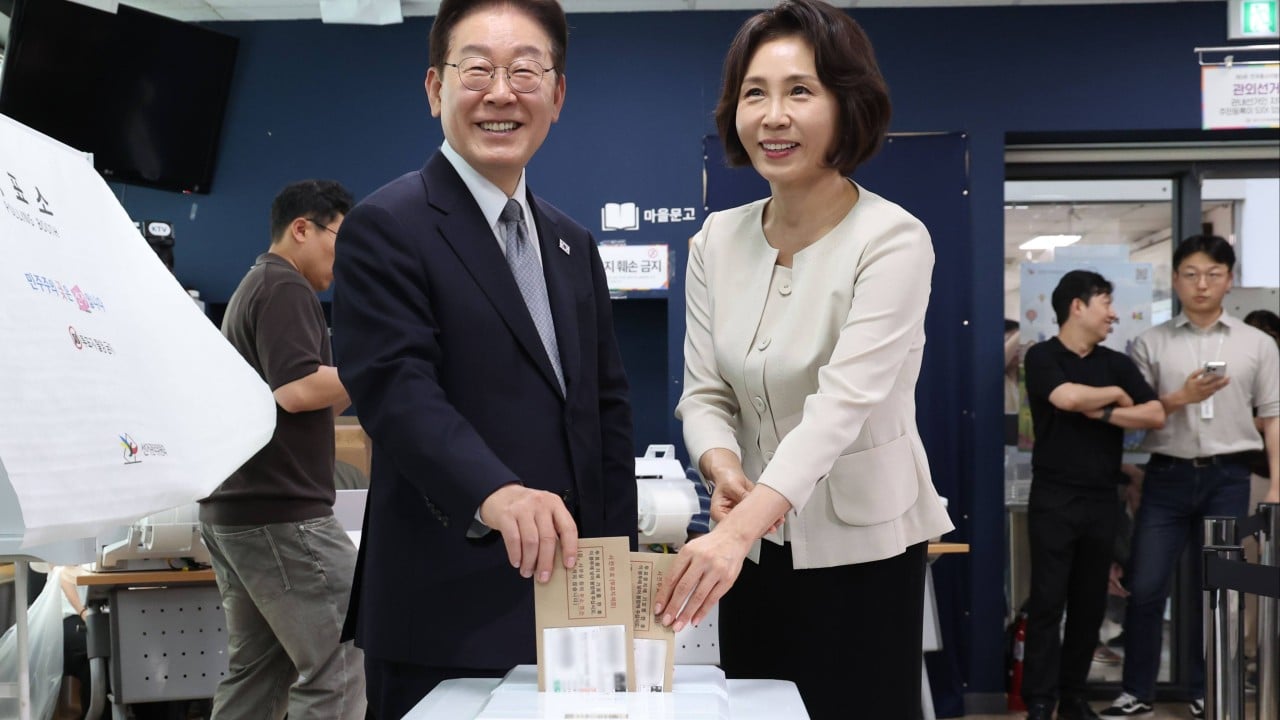
Consider Kim Min-jun. He is a hypothetical but representative figure: a thirty-four-year-old father standing under a bus shelter in Incheon, his suit jacket slightly damp. In his pocket is a red-ink-stained thumb, the mark of someone who has just stepped out of a draped voting booth. To Min-jun, this isn't about grand geopolitical shifts or the abstract "mandate" discussed by pundits on news channels.
It is about the cost of the apartment he can barely afford. It is about the promise of a government that mirrors his frustration with the previous years of skyrocketing real estate prices. When he cast his vote, he wasn't just choosing a governor or a mayor; he was reaching for a lifeline.
The exit polls showed a sweep. Out of seventeen major metropolitan mayoral and provincial governor races, the ruling party was projected to take at least ten. In the world of South Korean politics, that isn't a victory. It’s an eviction notice for the opposition.
The Geography of Resentment
Politics in the peninsula has always been a game of maps. There is a specific kind of regionalism that runs deep, like a subterranean river. Usually, the lines are drawn between the conservative southeast and the liberal southwest. But this time, the red of the People Power Party started bleeding into territories that were once considered impregnable fortresses of the liberal Democratic Party.
The capital itself, Seoul, became the crown jewel of this shift. Oh Se-hoon, the incumbent mayor, stood at the center of a whirlwind. His projected victory was more than a personal win; it was a validation of the new administration's honeymoon phase.
When a ruling party wins big in local elections just weeks after a presidential inauguration, it changes the oxygen in the room. Suddenly, the legislative gridlock in the National Assembly feels less like a stalemate and more like a dam about to burst. The "local" in these elections is a misnomer. These are the front lines of a cultural war over the direction of a nation that feels it is running out of time to fix its birth rate, its housing crisis, and its aging soul.
The Invisible Stakes at the Dinner Table
While the broadcasters shouted percentages, the real impact lived in the quiet conversations in pojangmacha (street stalls) over bottles of soju. There, the talk isn't about "exit poll margins." It’s about the "Jeonse" system—the unique Korean lump-sum housing lease that has become a nightmare for the younger generation.
The previous administration's failures in the housing market acted as a silent campaigner for the current ruling party. Every time a young couple realized they couldn't afford to live within an hour of their jobs, the opposition lost a vote. The "human element" here is the exhaustion of a middle class that feels it has been playing a game with rigged dice.
The ruling party’s gains represent a desperate hope that a new set of hands at the wheel can somehow steer the ship away from the rocks of economic stagnation. It is a fragile trust. In Korea, the transition from "hopeful supporter" to "furious critic" happens with the speed of a fiber-optic connection.
A Tale of Two Gwangjus
Even in the landslide, there are pockets of resistance that tell their own story. Gwangju, the historical heart of the liberal movement, remained a blue island in a sea of red. To understand South Korea, you have to understand that these cities aren't just points on a map. They are repositories of memory.
In Gwangju, the vote is a tribute to the democratic struggles of the 1980s. Even as the rest of the country tilted toward the new administration, the citizens of the southwest held their ground. It serves as a reminder that while the ruling party may have the momentum, they do not have a monopoly on the national narrative. The country remains deeply, perhaps irrevocably, split down the middle.
The Power of the "First Months"
There is a psychological phenomenon in Korean politics known as the "honeymoon momentum." A new President usually enjoys a period where the public is willing to grant them the tools they need to succeed. These local elections were the ultimate toolbox.
By securing the mayorships and governorships of the most populous regions, the administration has effectively bypassed the "roadblock" of a parliament controlled by the opposition. When the mayor of the capital and the President are on the same team, things move. Cranes appear on the skyline. Zoning laws shift. The bureaucracy begins to hum a different tune.
But this power comes with a hidden cost. When you control the presidency, the parliament (effectively, via local dominance), and the major cities, you lose the ability to point fingers. There is no one left to blame for the high price of pork or the lack of tech jobs in the provinces.
The Ghost in the Voting Booth
What was missing from the headlines, however, was the ghost of the non-voter. While the ruling party celebrated, the turnout numbers whispered a different story. A significant portion of the electorate stayed home.
In the high-rise apartments of Bundang and the cramped "gosiwon" study rooms of Sillim-dong, there are thousands of young people who have tuned out entirely. They didn't see themselves in the red or the blue. To them, the "gains" and "losses" reported on the news are just different flavors of the same elite power struggle. Their absence is a silent protest, a void that neither party has successfully filled.
The ruling party's victory is loud, but the silence of the disillusioned is deafening if you listen closely enough.
The Momentum of the Red Wave
As the night deepened, the headquarters of the People Power Party erupted in cheers. Candidates donned traditional flower garlands, their faces flushed with the adrenaline of a successful conquest. They spoke of a "new era" and "national stability."
Across the aisle, the mood was funereal. Leaders of the Democratic Party offered bowed heads and promises of "deep reflection." It is a ritual as old as the republic itself. The losers apologize for not being "good enough," while the winners promise to be "servants of the people."
The real story, though, isn't in the speeches. It’s in the way the city of Seoul looks the next morning. The posters will be torn down. The campaign trucks with their blaring jingles will fall silent. The "red ink" on the map will become the reality of the people living in those provinces.
The Weight of the Morning After
Winning is easy. Governing is a slow, grinding war of attrition. The People Power Party has been given the keys to the kingdom, but the kingdom is facing a demographic cliff and an increasingly volatile neighborhood.
For the person working the night shift at a 24-hour convenience store, or the grandmother selling seasoned spinach in a traditional market, the exit polls are a distant flicker on a TV screen. They are waiting to see if the red wave brings more than just a change in personnel. They are waiting to see if it brings a change in their lives.
The map has changed color. The seats have been filled. The speeches have been made. But as the rain finally stops and the first light of dawn hits the Han River, the stakes remain exactly where they were: in the hands of a public that is as demanding as it is divided.
The victory is complete. Now comes the hard part.
The red ink is dry. The map is set. But the people are still waiting for the promise of the morning to arrive.