The fragile ceasefire between the United States and Iran is hanging by a thread today. If you’ve been following the news, you know that the US Navy just pulled off a high-stakes seizure of an Iranian-flagged cargo ship, the MV Touska, in the Gulf of Oman. Tehran didn't take long to push back. Iranian Foreign Ministry spokesman Esmaeil Baghaei is already calling the move "maritime piracy" and a blatant violation of the truce.
But let’s be honest. This isn't just about one ship. This is about a high-stakes game of chicken where the "ceasefire" looks more like a regrouping period for a larger fight.
The Breaking Point in the Gulf of Oman
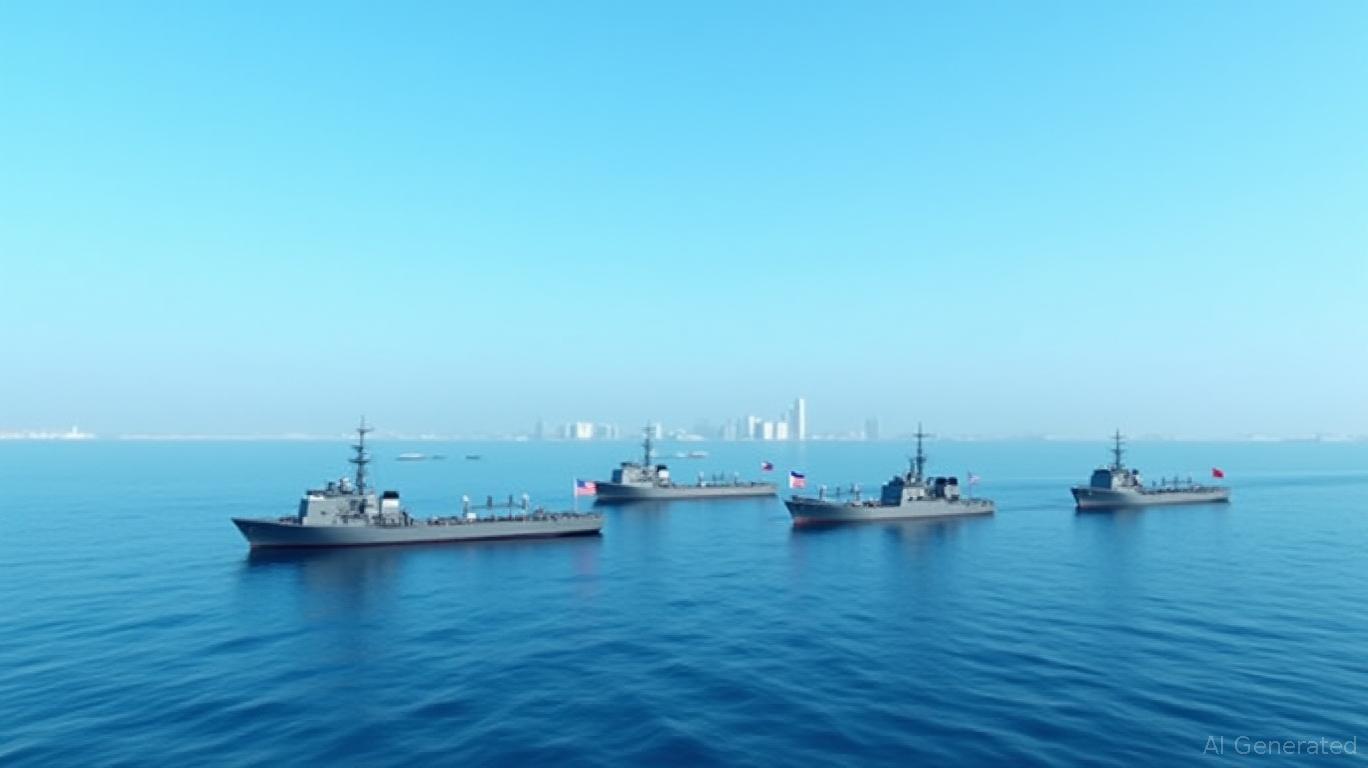
On Sunday, April 19, the US Navy targeted the MV Touska, a massive vessel over 900 feet long. According to CENTCOM, the ship was warned for over six hours to stop after it allegedly crossed a US-imposed blockade line. When the crew ignored the warnings, the USS Spruance fired disabling shots into the engine room before Marines boarded the vessel.
Iran’s response was immediate and sharp. Baghaei didn't just condemn the seizure; he tied it to a broader pattern of what he calls US aggression. He argues that the naval blockade itself—which has been in place since April 13—is a violation of the ceasefire. From Tehran’s perspective, you can't have a "ceasefire" while one side is actively choking the other’s economy and seizing its assets on the high seas.
It’s a classic diplomatic stalemate. Washington says the ship was breaking the rules of a blockade designed to keep the Strait of Hormuz open. Tehran says the blockade shouldn't exist if there’s a real truce.
Why This Seizure Is Different
We’ve seen ship seizures before, but the timing here is what makes this one dangerous. The ceasefire is set to expire this Wednesday, and peace talks in Islamabad are already on life support.
- The Nuclear Sticking Point: A major hurdle in these negotiations is Iran’s stockpile of enriched uranium. Baghaei recently stated that "uranium is as sacred as our soil," making it clear that Iran has no intention of shipping its nuclear material out of the country as the US has demanded.
- The Economic Blockade: The US is using the naval blockade to force Iran’s hand. By seizing the Touska—which was reportedly carrying goods from China—the US is signaling that it’s willing to use force even during a "peace" window.
- Regional Fallout: The Strait of Hormuz is the world's most important energy chokepoint. With 20% of global oil passing through these waters, any spike in tension sends prices through the roof. We already saw oil jump over 5% to $95 a barrel following this incident.
Misconceptions About the Ceasefire
Many people assume a ceasefire means a total halt to all hostile actions. In the context of the current US-Iran conflict, that’s simply not true. It’s been more of a "limited standoff."
The US claims Iran violated the deal first by firing on ships near the Strait on Saturday. President Trump even took to social media to call it a "Total Violation." In reality, both sides are using the ceasefire period to test the other's boundaries. The US is testing how much economic pressure it can apply without starting a full-scale war, and Iran is testing how much it can disrupt shipping without losing its leverage at the bargaining table.
What Happens Next
If you're looking for a peaceful resolution, the outlook is pretty grim. Iran has already hinted that it might skip the next round of talks in Pakistan. The Revolutionary Guard has warned of "retaliation," which usually means more trouble for tankers in the region.
Here is what you should be watching over the next 48 hours:
- The Wednesday Deadline: If no extension is signed by Wednesday, the ceasefire officially ends. Expect an immediate uptick in military posturing from both sides.
- The Islamabad Factor: Watch for whether the Iranian delegation actually shows up in Pakistan. If they stay home, the diplomatic track is effectively dead.
- Oil Price Volatility: If Iran moves to fully block the Strait of Hormuz again in retaliation for the Touska, $100-a-barrel oil is almost a certainty.
The reality is that "ceasefire" is a generous term for what’s happening right now. It's a pause, not a peace. Unless one side blinks on the blockade or the nuclear stockpile, the seizure of the MV Touska might be remembered as the moment the 2026 conflict reignited.
Keep a close eye on the shipping lanes. The next move won't likely be a diplomatic memo—it’ll be a military one.