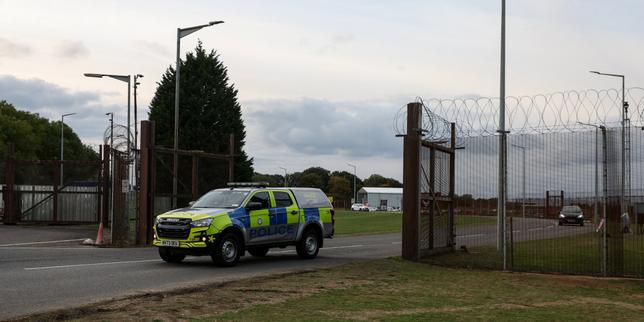
Two Latvian nationals sitting inside a high-security British military facility should terrify defense planners across Europe. Security breaches happen, but when foreign nationals manage to slip past the perimeter of a base housing a crucial NATO intelligence hub, alarms blare for a reason. Modern defense isn't just about massive tank battalions clashing on open borders. It's about digital espionage, physical reconnaissance, and glaring vulnerabilities right at the front door of Western intelligence operations.
What Actually Happened at the RAF Base
Security protocols at sensitive military sites are supposed to be ironclad. Yet, recent events at the Royal Air Force installation paint a very different picture. Two individuals holding Latvian passports breached the perimeter, managing to access areas they had no business touching. Authorities arrested them quickly, but the damage to institutional confidence was immediate.
Military bases like this one handle sensitive signals intelligence, communications tracking, and strategic coordination with allied nations. When unauthorized visitors wander onto the grounds, investigators immediately look past simple trespassing. They look for handlers, digital drop points, and compromised networks.
Let's be clear about what this means. Physical security failures often mask deeper, quieter compromises. If a couple of intruders can walk onto a base shielding NATO intelligence infrastructure, what else are they missing?
The Reality of Hybrid Warfare in Europe
We aren't living through a neat separation of peace and war anymore. Hybrid warfare blends cyber attacks, sabotage, disinformation, and probing physical intrusions into a single, persistent campaign. Foreign intelligence agencies love low-cost, high-yield operations. Sending operatives or recruited assets to test a fence line costs almost nothing, but the intelligence gathered on response times, guard rotations, and blind spots is invaluable.
Governments across the continent keep pouring money into high-tech defense systems while basic perimeter security falls victim to budget cuts, contractor outsourcing, and complacency. Guards get tired. Cameras break. Gates stay unlocked longer than they should. Hostile actors exploit these exact human and operational frictions every single day.
Intelligence centers face constant pressure from state-sponsored actors seeking to map out vulnerability points. When an incident like this hits the headlines, it exposes decades of bureaucratic drift in how military installations manage everyday threats.
Why This Incident Keeps Defense Officials Up at Night
The arrest of these two individuals raises uncomfortable questions that officials hate answering publicly.
- How long were they casing the perimeter before the actual breach?
- Did they successfully exfiltrate physical data, hardware, or radio frequencies?
- Are internal security clearances properly vetting personnel with access to sensitive zones?
NATO relies heavily on shared trust between member states. When citizens from an allied nation turn up participating in a suspicious intrusion at a sensitive intelligence facility, it ripples through diplomatic channels. Allies start asking hard questions about internal counterintelligence protocols. Trust takes years to build and seconds to shatter.
Fixing the Cracks in Western Defense
Throwing more concrete at a problem never works. Real security requires a total overhaul of how military installations handle threat detection and physical access.
First, defense ministries need to upgrade passive fencing into active, sensor-driven perimeters that rely on automated AI threat recognition rather than bored guards staring at flickering monitors. Second, counterintelligence teams must treat physical breaches of intelligence hubs as potential cyber entry points. Intruders today rarely carry notepads; they carry signal sniffers, miniature cameras, and rogue thumb drives designed to drop payloads onto isolated networks.
Complacency remains the greatest hazard facing modern defense networks. Expect tougher background checks for contractors, stricter perimeter controls, and uncomfortable parliamentary inquiries into how two foreign nationals managed to waltz into a top-tier intelligence base without getting stopped at the gate.