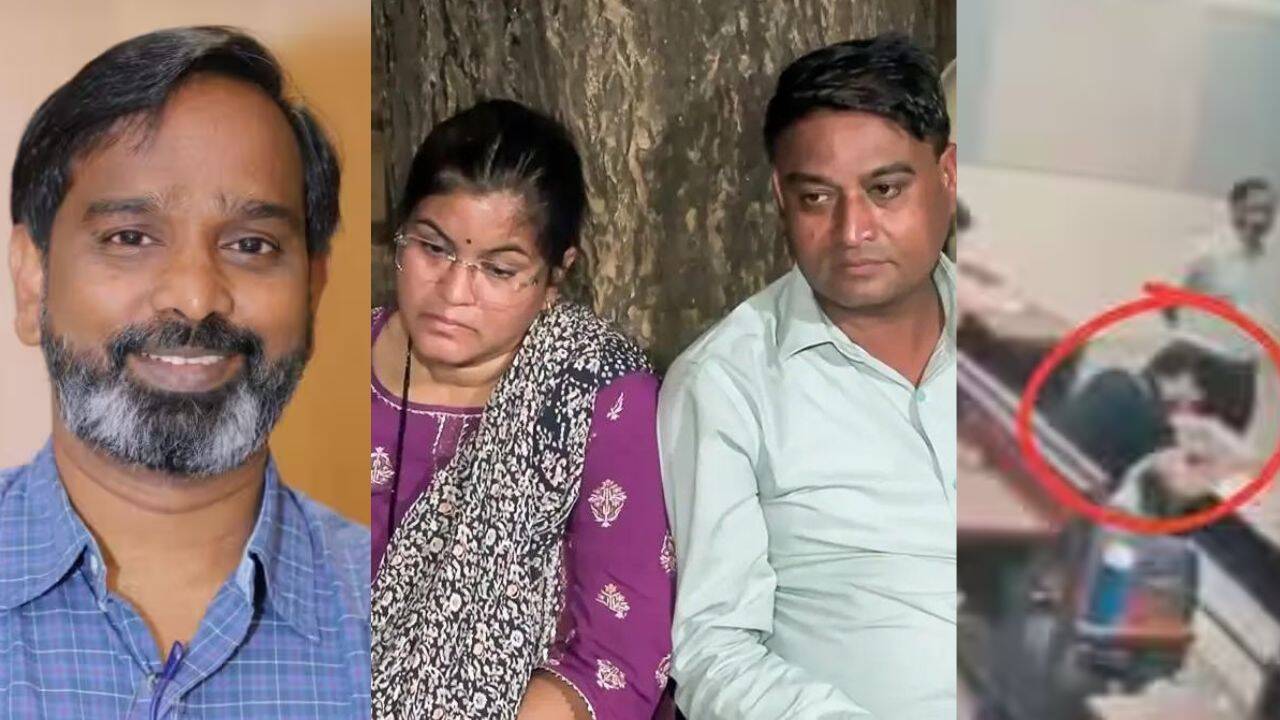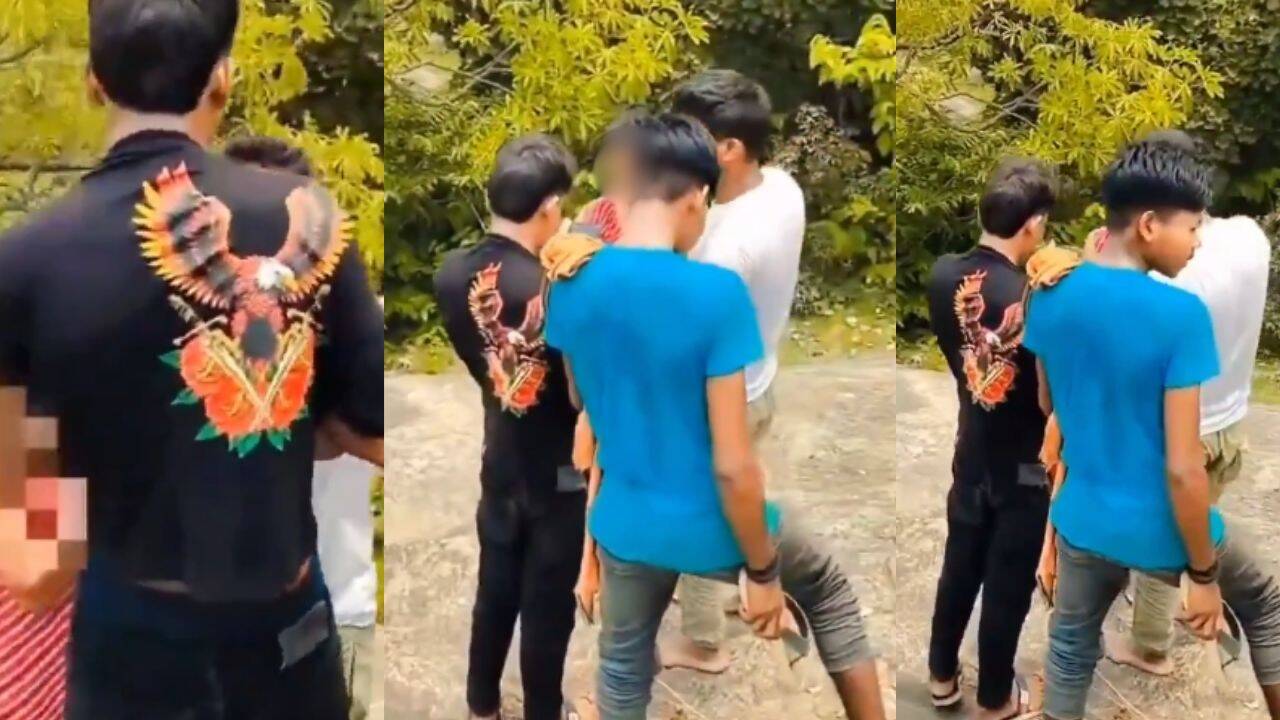
Public safety in public spaces is fracturing before our eyes. When multiple video clips emerge within days of each other showing young women being cornered, harassed, and filmed at tourist spots and roadside areas in districts like Jamui and Samastipur, it stops being a series of isolated criminal acts. It points to a systemic breakdown in social accountability and local enforcement.
The pattern is sickeningly predictable. A young person visits a local landmark or a scenic spot—such as the areas near Jamui’s hills or Samastipur's bypass routes—only to find themselves surrounded by aggressive groups operating with total impunity. What makes these episodes intensely disturbing isn't just the physical intimidation. It's the digital amplification. The perpetrators routinely record their own crimes, editing the footage with tracks that glorify intimidation, and upload it to social platforms as if committing a crime is a badge of honor. Meanwhile, you can find related events here: Andy Burnham and the Insurgency of the North.
The Dangerous Normalization of Public Intimidation
We need to look past the political point-scoring and address the raw reality on the ground. When local hoodlums feel emboldened enough to accost citizens in broad daylight and broadcast it online, public trust evaporates. Law enforcement agencies usually react only after a clip goes viral, rushing to track down IP addresses, register FIRs, and make arrests under immense public pressure.
Yet, reactive policing doesn't fix the root cause. To explore the full picture, we recommend the excellent report by Associated Press.
Why do young men feel they can physically corner individuals without facing immediate social or physical intervention from bystanders? Part of the answer lies in the erosion of local community policing and the cultural rot of impunity. When local governance looks the other way or treats brazen harassment as a minor nuisance, it signals to offenders that public spaces belong to the loudest, most aggressive voices.
Why Social Media Platforms Are Complicit
The rapid spread of these videos highlights a secondary crisis. Platforms designed for connection have become digital marketplaces for humiliation. Perpetrators know that filming an assault guarantees views, shares, and a twisted form of local notoriety.
Police departments across districts have started filing FIRs against dozens of social media handles for circulating unedited footage that exposes minor victims. But plugging leaks after the boat has sunk does little to protect the dignity of those targeted. Tech platforms need stricter automated moderation to flag and scrub content that glorifies assault, while law enforcement must crack down swiftly on accounts that choose to repost identifying details of survivors.
What Needs to Change Right Now
Fixing this requires more than cosmetic political outrage or temporary police crackdowns following a media storm.
- Increase Visible Patrols at Tourist Spots: Scenic locations and isolated spots frequented by students need active, reliable police presence rather than passive signage.
- Zero Tolerance for Digital Glorification: Cyber cells must proactively track and penalize accounts that use victimization for social media clout.
- Empowering Bystanders: Communities must rebuild a culture where stepping in or raising an alarm against harassment is normalized, rather than pulling out a phone to record.
Until public safety is treated as a non-negotiable baseline rather than an afterthought managed by crisis control, citizens will continue to bear the brunt of a system that wakes up only when the cameras start rolling.
Bihar shocker: After Jamui, Samastipur, another girl harassed in public at tourist site
This video provides direct coverage and news reporting on the sequence of public harassment incidents that sparked widespread outrage across Bihar.