Around 1 a.m. on October 16, 2026, a mayday call cut through the dark roughly 140 miles—about 225 kilometers—west of Ensenada, Mexico. By the time rescue crews reached the area, there was no intact hull left to see, only debris and people clinging to each other or treading water in the open Pacific. Sixteen Mexican nationals were pulled from the ocean. Eleven others were missing.
When a boat capsizes off Baja California, the immediate headline usually focuses on headcounts and ongoing searches. Yet the real story—the part that explains why survival is a coin flip so far offshore—sits in the distance, the jurisdiction lines, the night visibility, and the sheer physical toll on everyone in the water.
Why Offshore Rescues West of Ensenada Are So Brutal
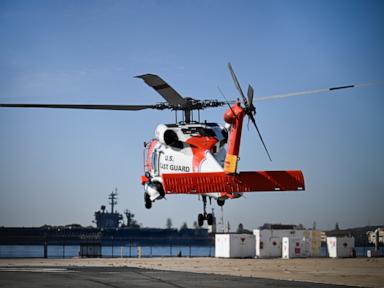
Being 140 miles west of Ensenada puts you nowhere near a quick harbor run. Even when a mayday goes out at 1 a.m., getting eyes on the scene takes serious time. In the October 16 incident, a rescue helicopter took roughly two hours to arrive after that initial distress call, and pulling all 16 survivors aboard took another 90 minutes.
Out there, time in the water doesn't feel linear. Two hours in pitch darkness while waves slap against your face feels like a week. Coast Guard Lt. Santiago Tamburini noted that the water sat around 68 degrees Fahrenheit (20 degrees Celsius) and the air around 70 degrees Fahrenheit (21 degrees Celsius)—warmer than many people assume for the eastern Pacific, yet still cold enough to sap body heat over hours of immersion. A couple of survivors arrived in San Diego with cold exposure, and some were treated for suspected shark bites. Honestly, when 27 people end up in open water without a stable vessel, every hazard compounds at once.
Look at what the rescue swimmer on that mission, 24-year-old Josh Law, described afterward to the Associated Press. Lowered alone into turbulent water under rotor wash at night, he had to spot people scattered across a wide area using a helicopter searchlight, calm panicked survivors who instinctively tried to use him as flotation, signal the hoist operator with one hand while holding a person with the other, and keep swimming even as water filled his dry suit down to his knees like weights. That kind of gritty detail explains why rescues of that scale rarely go smoothly. Even with a dedicated swimmer and aircraft working together over nearly four days of combined air and sea searching across roughly 950 square nautical miles (3,200 square kilometers), the Coast Guard ended the search for the 11 missing people late Sunday, October 18.
Smuggling Corridors, Jurisdiction, and What Officials Actually Know
Whenever a vessel goes down off Baja California with dozens of people aboard, people immediately ask whether it was a migrant smuggling boat. The honest answer is that officials often cannot confirm the vessel's exact purpose right away. As Tamburini pointed out, the waters off Baja California see fishing and recreational boats alongside vessels suspected of smuggling, and when crews find only floating debris rather than an intact hull, the boat type and origin aren't always clear in the first hours.
What is clear is that this stretch of ocean sits along a route frequently used by smugglers moving migrants north toward California, and deadly capsizes keep happening. Reporting by the Associated Press and outlets like Al Jazeera and CBC News has highlighted prior tragedies in the region, including a May 2025 capsizing about 35 miles north of the U.S.-Mexico border that killed at least three people, and a 2023 incident near a San Diego beach in heavy fog that killed eight. Small boats pushed far offshore—or overloaded and caught in rough swells and surf—carry extreme risk.
Jurisdiction adds another layer that trips people up. The October 16 capsizing happened outside U.S. waters, off Mexico's Baja California coast. Yet search-and-rescue operations in that corridor regularly involve cross-border coordination, with the U.S. Coast Guard and U.S. Navy working alongside Mexican authorities and the Mexican Navy. And when survivors are flown to San Diego hospitals for emergency care, consular officials—such as the Mexican consulate in San Diego—step in to offer assistance while federal authorities investigate what happened and why the boat went down.
A common misconception is that rescue crews pause to sort out border status before pulling someone out of the water. Maritime rescue doesn't work like that. Out at sea, a sinking vessel is a life-safety emergency first, and questions about origin, smuggling, or immigration status come later through investigations and legal channels, including potential eligibility for humanitarian parole if survivors are witnesses to a crime.
Why Search Areas Balloon So Fast in the Open Ocean
To a casual reader, "950 square nautical miles" sounds like a neat box on a map. On the water, it's a moving target. Currents, wind, and wave action push floating debris and people in the water in different directions from the moment a hull goes under. Not everyone has a life vest, and even those who do can drift apart in the dark.
Consider how fast conditions shift when a boat founders at night:
- Delayed detection: Even a 1 a.m. mayday leaves a gap between trouble starting, the call going out, and aircraft arriving hours later.
- Wide dispersion: People end up separated across dark water rather than huddled in one spot.
- Physical exhaustion: Treading water for hours drains strength long before hypothermia sets in.
- Mixed assets required: Helicopters handle rapid hoisting, fixed-wing planes cover wide visual grids, and cutters or naval ships stay on station longer.
When you put those four factors together, you see why early hours matter more than almost anything else. Once daylight fades and night falls again, spotting a person's head in rolling Pacific swells takes extraordinary luck and precision.
Practical Steps When Tracking a Maritime Search
If you're following an offshore search-and-rescue event—or trying to verify updates as details emerge—skip the rumor mill on social media. Rumors about passenger counts, boat types, and survival numbers spread fast right after a capsizing, especially when initial reports rely on early survivor estimates.
- Check primary operational sources first. Look for statements from the U.S. Coast Guard, the Mexican Navy, or verified wire reports such as the Associated Press rather than unverified secondhand posts.
- Watch the distinction between estimates and confirmed counts. Early reports often cite what survivors believed was on board—such as 27 people—before investigators piece together full manifests or witness accounts.
- Separate rescue status from investigative findings. A search ending or continuing tells you where resources are focused on the water, while separate agencies investigate cause, route, and any potential smuggling activity.
- Contact official consular channels for family inquiries. When loved ones may be involved in an incident abroad or transported across the border for medical care, official consulates and emergency hotlines are the safest place to seek verified information.