Twelve people got shot just outside Bragg Memorial Stadium at Florida A&M University, and the headlines barely scratched the surface. Most outlets rushed out a quick blurb about injured minors, slapped a generic campus safety tag on it, and moved on to the next breaking alert. That's lazy journalism. When gun violence erupts right next to a major university venue during a high-traffic gathering, the real story isn't just the police blotter—it's how off-campus perimeter gaps, unpermitted crowd spillover, and delayed emergency alerts collide.
Let's be clear about the facts first. On the night of the incident near Florida A&M University's Bragg Memorial Stadium in Tallahassee, gunfire broke out in an area adjacent to the stadium grounds. Twelve victims sustained gunshot wounds. Several of those injured were minors. Emergency responders transported the victims to local hospitals, including Tallahassee Memorial HealthCare, and law enforcement immediately locked down the surrounding blocks to process shell casings and interview witnesses.
It happened fast. Within seconds, a routine gathering turned into pure chaos.
Breaking Down the Shooting Near Florida A&M University Stadium
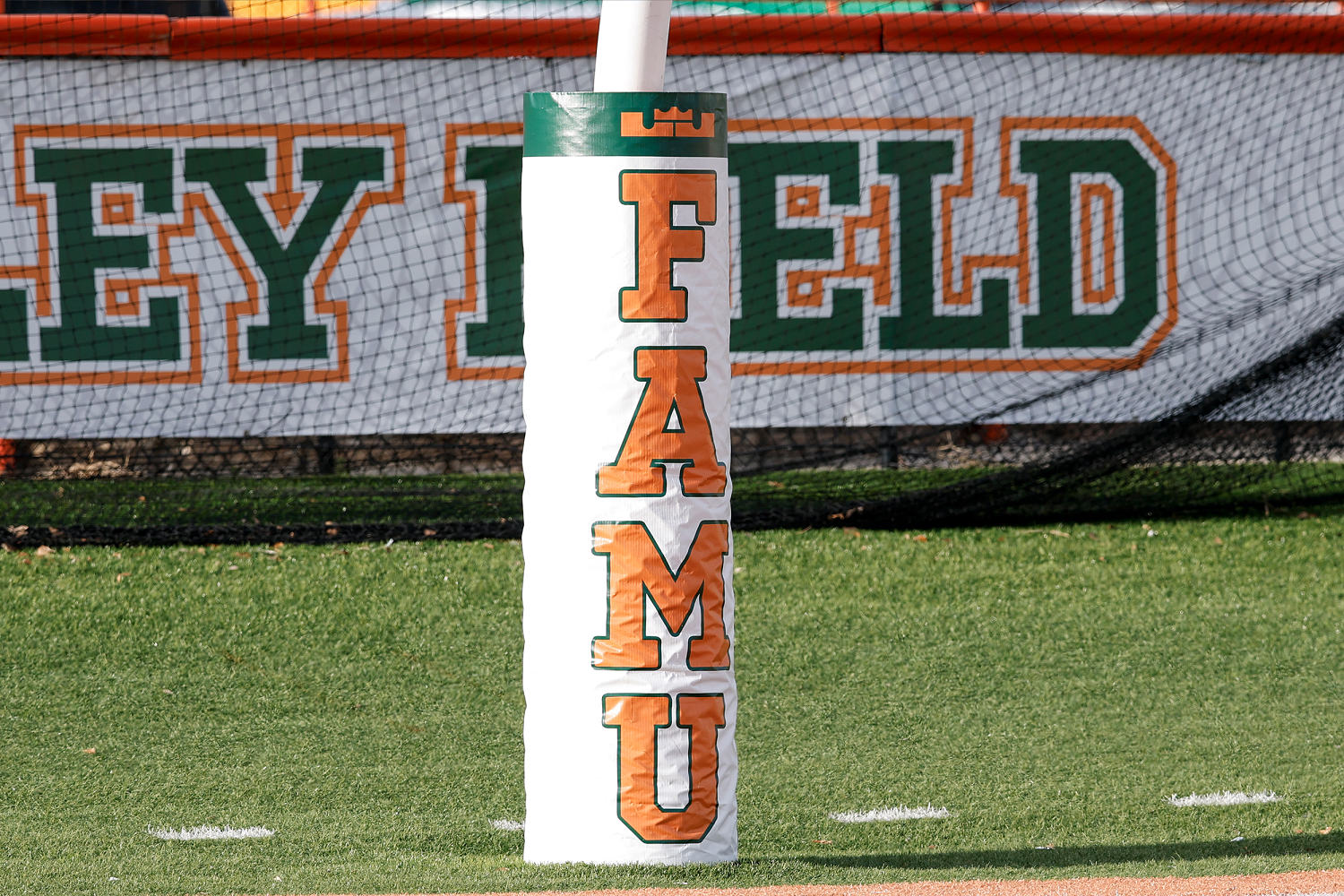
If you've ever spent time around Bragg Memorial Stadium on a busy evening, you know the geography matters. The stadium sits near Wahnish Way and Gamble Street on the southern edge of the FAMU campus. While the university police department heavily patrols the interior gates and ticketed zones, the streets immediately bordering the venue are a patchwork of public roadways, neighborhood blocks, and informal gathering spots.
That's where things went sideways.
According to initial law enforcement briefings from the Tallahassee Police Department and FAMU campus authorities, the gunfire didn't happen inside the stadium stands or during a ticketed athletic competition. Instead, it erupted near the stadium perimeter where large groups had congregated. Whenever big crowds gather outside a venue without controlled entry points, there are no metal detectors, no bag checks, and no clear boundaries.
Here's what stood out from the emergency response and initial investigation:
- Multiple victims across age groups. Twelve individuals were struck by gunfire, confirming that whoever fired the weapon shot indiscriminately into a dense crowd rather than executing a targeted, isolated attack.
- Minors caught in the crossfire. Several of the wounded were under 18, highlighting a recurring issue at college-adjacent gatherings where local high schoolers and neighborhood teens mix with university crowds.
- Multi-agency jurisdiction. Because the shooting occurred right on the seam between campus property and city streets, both the Florida A&M University Police Department and the Tallahassee Police Department had to coordinate the crime scene response.
Nobody expects a night out near a historic campus to end with trauma bays filling up. Yet anyone who studies event security in college towns will tell you this exact scenario is a known vulnerability.
Why Campus Perimeter Security Fails During Large Gatherings
Universities spend millions securing the inside of their stadiums. They install walk-through magnetometers, enforce clear-bag policies, and station uniformed officers at every tunnel. On paper, the venue looks impenetrable.
Outside the fence? Completely different story.
When an event draws thousands of people to a campus neighborhood, roughly 20 to 30 percent of the crowd often never buys a ticket or enters the gates. They tailgate in nearby lots, hang out along bordering streets, or gather at adjacent parks. In Tallahassee, the corridors around FAMU frequently see heavy foot traffic and impromptu block-style gatherings whenever major events or weekends bring people into town.
I've seen this exact dynamic play out across dozens of college campuses nationwide. Security planners draw a hard line at the stadium turnstiles and treat everything beyond the concrete barrier as someone else's problem. City police assume campus police have the perimeter covered, while campus police focus strictly on university-owned property. That jurisdictional gray zone is where trouble thrives.
The Problem With Uncontrolled Spillover Crowds
Think about how crowd density works when there's no structure. Inside a stadium, people sit in assigned rows, aisles stay clear for paramedics, and overhead lighting illuminates every corner. Outside near Wahnish Way or surrounding residential streets, cars double-park, crowds pack tightly onto sidewalks and roadways, and sightlines disappear.
If a dispute breaks out between two individuals in that environment, nobody has anywhere to run. A single handgun fired in a packed street doesn't just hit the intended target—it hits bystanders standing ten, twenty, or fifty feet away. That's almost certainly how twelve people, including multiple minors, ended up wounded in a matter of moments.
Why Minors End Up at College Venue Gatherings
People always act shocked when they hear that minors were injured near a university stadium. They shouldn't be. College campuses aren't walled fortresses separated from the surrounding city; they're woven directly into local neighborhoods.
In Tallahassee, residential neighborhoods sit literally across the street from FAMU's athletic facilities. Local teenagers naturally gravitate toward the energy, music, and crowds around the stadium. Because the outer perimeter isn't age-restricted or ticketed, fourteen- and sixteen-year-olds stand shoulder-to-shoulder with twenty-two-year-old college students and older adults. When violence breaks out, those kids take the brunt of it.
What Most News Coverage Missed About the Tallahassee Response
Fast-breaking crime stories almost always suffer from tunnel vision. Reporters count the ambulances, quote a brief police press release, and publish before the crime scene tape even comes down. Looking closer at the response in Tallahassee reveals a few critical realities about how public safety actually operates during a mass-casualty shooting.
First, trauma center proximity saved lives. Tallahassee Memorial HealthCare sits just a few miles northeast of the FAMU campus. In gunshot trauma, emergency medicine doctors talk constantly about the "golden hour"—and really, the first ten minutes—after a penetrating injury. Short transport times mean paramedics can get victims with vascular or thoracic wounds into an operating room before they bleed out. Having twelve gunshot victims survive the initial transport is a testament to rapid EMS triage under extreme pressure.
Second, witness cooperation in crowded street shootings is notoriously difficult. When gunfire erupts in a crowd of hundreds, people scatter immediately. Some drop their phones; others sprint blocks away before calling 911. Investigators from the Tallahassee Police Department's Violent Crimes Unit have to piece together fragmented cell phone videos, surveillance footage from nearby businesses, and shell casing trajectories to figure out whether there was one shooter or multiple people exchanging fire.
Third, campus alert systems face a tricky balancing act. Universities have to decide within minutes whether an off-campus or perimeter shooting represents an active, ongoing threat to students in dorms and libraries. Send an alert too late, and students walk straight into a crime scene. Send an alert with inaccurate details, and panic spreads across residence halls.
How Campus and City Leaders Actually Prevent Repeat Incidents
Every time a shooting happens near a university stadium, officials hold a press conference, promise a thorough investigation, and talk about community partnerships. Words don't stop bullets. Real prevention requires changing the physical and operational setup around campus borders before the next big crowd shows up.
If university administrators and city officials want to keep another mass shooting from happening near Bragg Memorial Stadium, three concrete measures actually work:
- Unified Perimeter Command Posts. Campus police and municipal police cannot operate on separate radio channels with separate commanders during high-traffic nights. Establishing a single joint command post that treats the stadium and a four-block buffer zone as one unified security footprint eliminates the jurisdictional gap.
- Street Closures and Lighting Audits. Dark, congested streets next to athletic venues invite trouble. Closing non-essential bordering streets to vehicle traffic two hours before events—and bringing in mobile high-intensity light towers—eliminates blind spots and stops people from stashing weapons in parked cars nearby.
- Aggressive Digital Evidence Collection. Law enforcement agencies that deploy immediate QR-code tip portals at the scene and across local social media feeds recover far more video evidence than those relying on traditional phone tip lines. People won't always walk up to a detective in front of their peers, but they will anonymously upload a ten-second video clip from their phone.
What You Should Do If You're Caught in a Stadium Crowd Shooting
Nobody likes thinking about worst-case scenarios when heading to a game, concert, or campus gathering. Still, knowing how to react in the first three seconds of gunfire makes the difference between getting home safely and becoming a statistic.
- Drop immediately, then assess. Don't stand still looking around to see if that popping sound was fireworks. Drop low to reduce your profile, identify where people are running away from, and move perpendicular to the gunfire if you can't get straight behind solid cover.
- Find real cover, not concealment. Bushes, wooden fences, and car doors won't stop a bullet. Brick walls, concrete stadium pillars, and engine blocks of parked vehicles provide actual ballistic protection.
- Keep your hands visible when police arrive. When tactical officers rush into a chaotic scene, they're looking for threats. Don't hold your phone up like a weapon, keep your hands open and visible, and follow commands without arguing.
- Share video directly with investigators. If you recorded anything before or during the incident, submit it directly to the Tallahassee Police Department or FAMU campus safety rather than chasing views online. That metadata and timestamp often give detectives the exact break they need to identify a suspect.
Gun violence near a university stadium shakes an entire community, especially when teenagers are among the wounded. Paying attention to the perimeter details—and demanding real coordination between city and campus leaders—is how communities keep a terrible night from repeating itself.