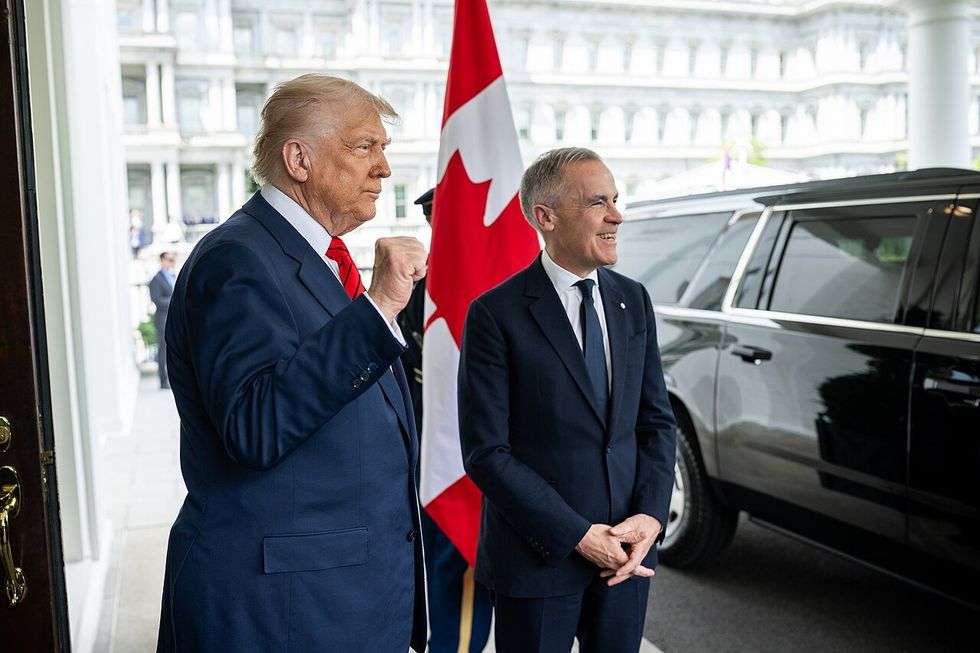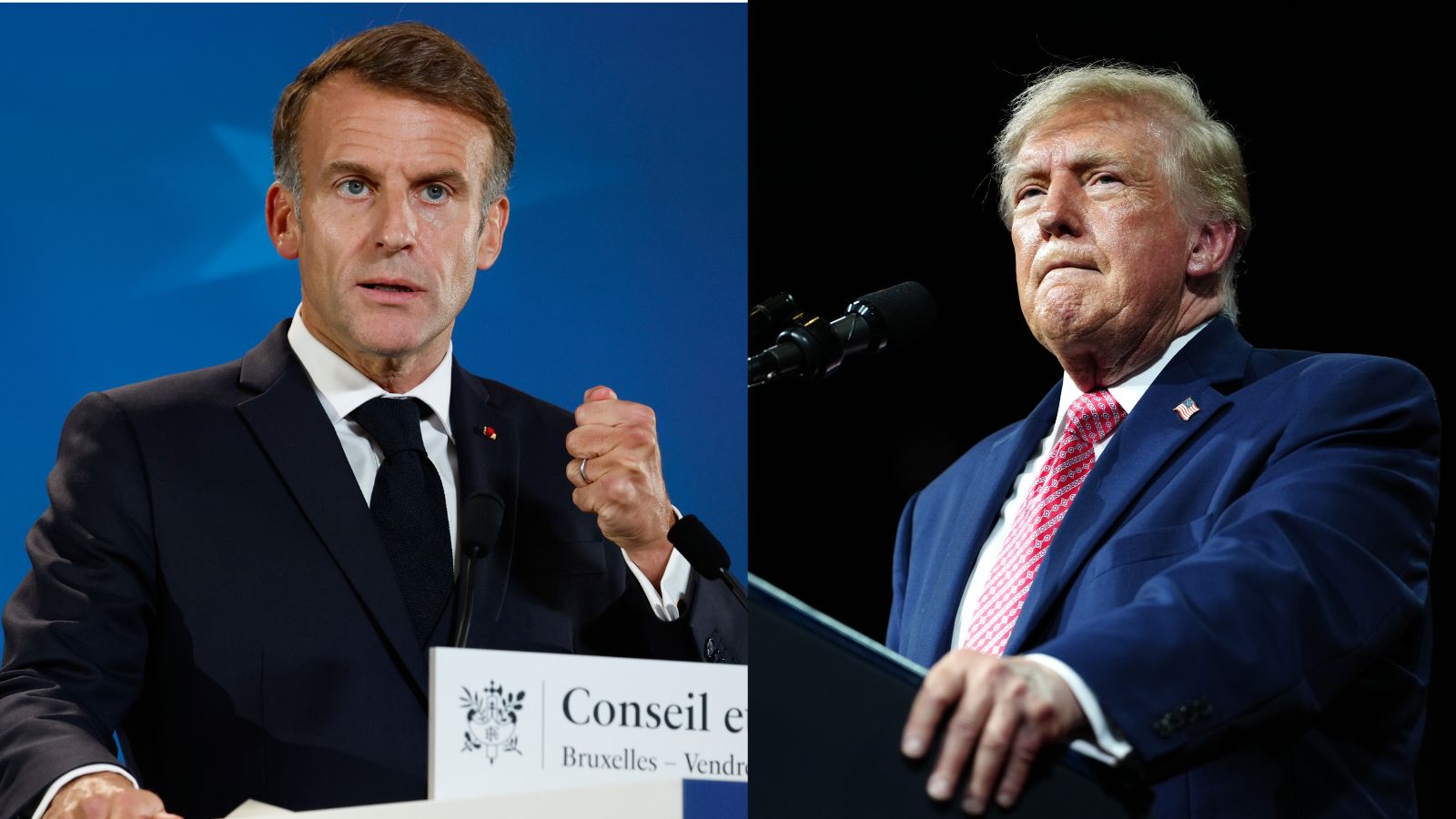
When street battles erupted across France following inflation-fueled student protests and public sector strikes, Washington quickly seized on the imagery to push a specific narrative. Former US President Donald Trump publicly declared that Paris would "soon be a Muslim city" due to uncontrolled immigration, blaming President Emmanuel Macron for refusing to seal the borders. That framing misses the fundamental driver of the crisis: an escalating structural economic squeeze inside France that political actors on both sides of the Atlantic are eagerly weaponizing.
The rhetoric coming out of Washington and Palm Beach treats the Parisian unrest as a simple demographic cautionary tale. It provides American conservatives with a vivid backdrop to campaign on domestic border enforcement. Yet a closer look at the actual composition of the demonstrations reveals a far more complex reality on the ground.
Beyond the Demographic Fear Campaign
The core triggers behind the current wave of French strikes are soaring energy costs, shrinking public purchasing power, and deep-seated education grievances rather than border policy. By attributing every burning trash can in Lyon or Paris to foreign migration, external commentators intentionally bypass the failures of French domestic fiscal policy.
Macron responded sharply to the commentary, accusing foreign figures of pushing rage-bait and using distorted narratives to interfere in French sovereignty. The Élysée Palace maintains that the violence in the streets is largely driven by extreme political fringe groups exploiting legitimate socio-economic anxiety.
This ideological tug-of-war illustrates how domestic political crises in Western Europe are instantly recycled into transatlantic soundbites.
Key factors driving the friction:
- Energy Vulnerability: Soaring fuel prices after international supply shocks have decimated working-class household budgets.
- Institutional Frustration: Overburdened school systems and municipal services face chronic underfunding, creating widespread local backlash.
- Political Opportunism: Opposition parties across the spectrum utilize the chaos to undermine Macron's parliamentary stability before upcoming elections.
The Strategic Miscalculation
Treating France’s civil disturbance purely as a culture war ignores the structural flaws of the eurozone's strict budget rules during periods of high inflation. When public services deteriorate, public anger naturally spills over into the streets, regardless of demographic makeup.
Reducing complex economic mismanagement down to sweeping claims about religion and migration serves a tactical purpose for populist politicians. It provides simple answers to deeply tangled institutional problems.
Until policymakers in Paris fix the underlying economic pressures fracturing the French middle class, the streets will remain volatile—and foreign observers will continue using the smoke as a backdrop for their own domestic political campaigns.