The notion of the United States purchasing Greenland was once dismissed as a late-night fever dream of a real estate mogul turned president. That laughter has died down. In its place is a hard-nosed geopolitical negotiation that has moved from the headlines of tabloids to the secure briefing rooms of Nuuk and Washington. Prime Minister Múte Bourup Egede is no longer just defending his island’s sovereignty; he is actively leveraging it.
The core of the current tension involves a massive expansion of the U.S. military footprint on the world’s largest island. While the public focus often lingers on the "purchase" of land, the reality is a sophisticated trade of security for infrastructure. Egede recently confirmed that talks with American diplomats now explicitly include an increased military presence. For the U.S., this is about locking down the Arctic before Russia or China can plant a permanent flag. For Greenland, it is about finding a wealthy patron who can fund the transition to full independence from Denmark. Meanwhile, you can explore similar events here: Why Takaichi is Betting Everything on a June Trip to London and Rome.
The Pituffik Power Play
For decades, the United States has operated out of Pituffik Space Base, formerly known as Thule. It was a Cold War relic, a lonely outpost designed to watch for Soviet missiles. Today, its value has shifted. The melting ice is opening new shipping lanes that bypass traditional chokepoints, and whoever controls the high north controls the flow of global trade.
Washington is currently negotiating access to three additional defense areas. These are not merely landing strips. They represent a permanent shift in how the Pentagon views the Arctic. The U.S. military needs a network of bases to support its new generation of deep-sea sensors and drone surveillance. Without these outposts, the U.S. is effectively blind in a region where Russian submarines are becoming increasingly active. To explore the bigger picture, check out the detailed analysis by USA Today.
Moving Beyond the Real Estate Gimmick
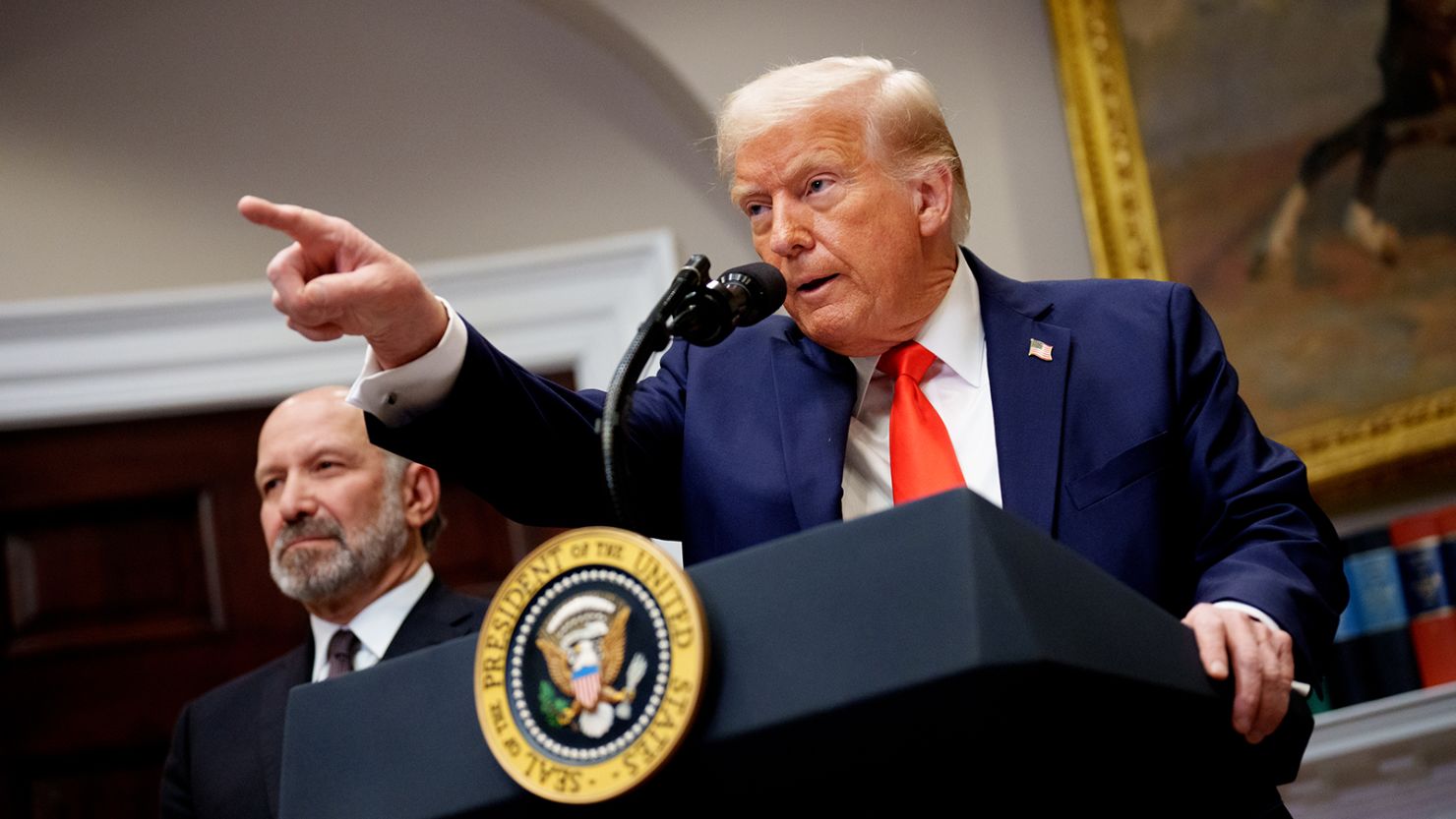
When Donald Trump first mentioned buying Greenland, the Danish government called it "absurd." That bluntness nearly severed diplomatic ties. However, the second time around, the tone has shifted from offense to opportunism. The Greenlandic government has realized that if the U.S. wants their land so badly, they should pay a premium—not for the dirt, but for the right to defend it.
Egede’s administration is pushing for what they call "dual-use" infrastructure. If the U.S. Air Force wants a new runway, they must ensure it can support civilian aircraft to boost Greenland’s isolated tourism industry. If the Navy wants a deep-water port, it must be accessible to the fishing fleets that drive the local economy. This is not a real estate transaction; it is a landlord-tenant dispute on a global scale.
The Chinese Factor in the North
One cannot ignore why Washington is suddenly so eager to open its wallet. China has declared itself a "near-Arctic state," a geographical stretch that would be comical if it weren't backed by billions in investment. Beijing has tried to fund airports in Greenland and sought mining rights for rare earth minerals.
Washington viewed these moves as a direct threat to the Monroe Doctrine. By increasing its military presence, the U.S. is effectively building a "Keep Out" sign for Chinese state-owned enterprises. The diplomats in the room are making it clear: Greenland can have American money or Chinese money, but they cannot have both. Nuuk has, so far, read the room and chosen the side with the bigger guns and the existing treaties.
The Cost of Sovereignty
Greenland currently receives a massive annual subsidy from Denmark, roughly $600 million, which accounts for more than half of its government budget. To walk away from Copenhagen and achieve the independence many locals crave, that money has to come from somewhere else.
The U.S. military presence is the only viable replacement for the Danish "block grant." By allowing more American boots on the ground, Egede is effectively auditioning a new benefactor. This creates a delicate internal political struggle. Many Greenlanders are wary of replacing one colonial master with a more aggressive superpower.
The American interest in the island is also driven by what lies beneath the ice. Greenland holds some of the world's largest deposits of rare earth elements, essential for everything from fighter jets to electric vehicle batteries. Securing these minerals is a matter of national security for the U.S., which currently relies on China for its supply chain.
Logistics Over Ideology
The negotiations are gritty and technical. They involve housing for personnel, legal jurisdiction over American contractors, and environmental protections for the fragile Arctic tundra. These are the details that determine the success of the talks.
The U.S. is not just looking for a base; they are looking for a platform. They want a location where they can pre-position equipment for a conflict that they hope never happens. As the permafrost thaws, the ground literally shifts beneath these plans. Engineering a permanent military presence in a melting environment is a multi-billion dollar headache.
A New Arctic Reality
The era of Greenland as a quiet, frozen backwater is over. It is now a primary theater of operation for the world's most powerful military. The talks between Nuuk and Washington will likely result in the most significant expansion of American power in the North Atlantic since World War II.
This is a cold, calculated arrangement. The United States gets its strategic depth and a firewall against its rivals. Greenland gets the infrastructure and funding it needs to eventually cut its ties with the Danish crown. Neither side is doing this out of friendship. They are doing it because the map of the world is changing, and neither can afford to be left in the cold.
The deal will not be signed on a single sheet of paper with a price tag attached. Instead, it will be a series of incremental agreements, each one tying Nuuk closer to Washington and further from Copenhagen. The "purchase" is happening—just not in the way the public expected.