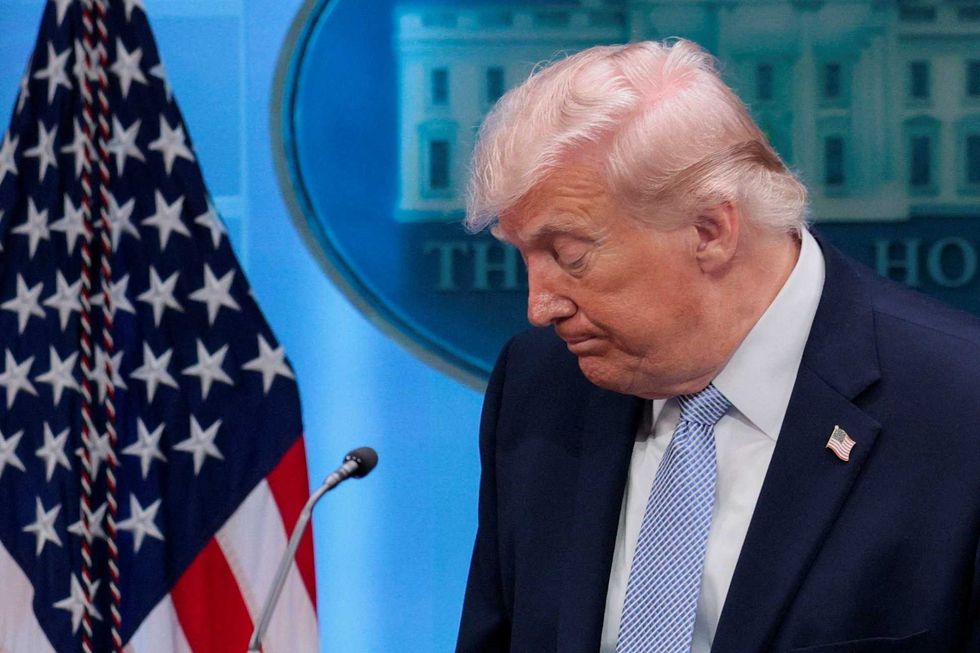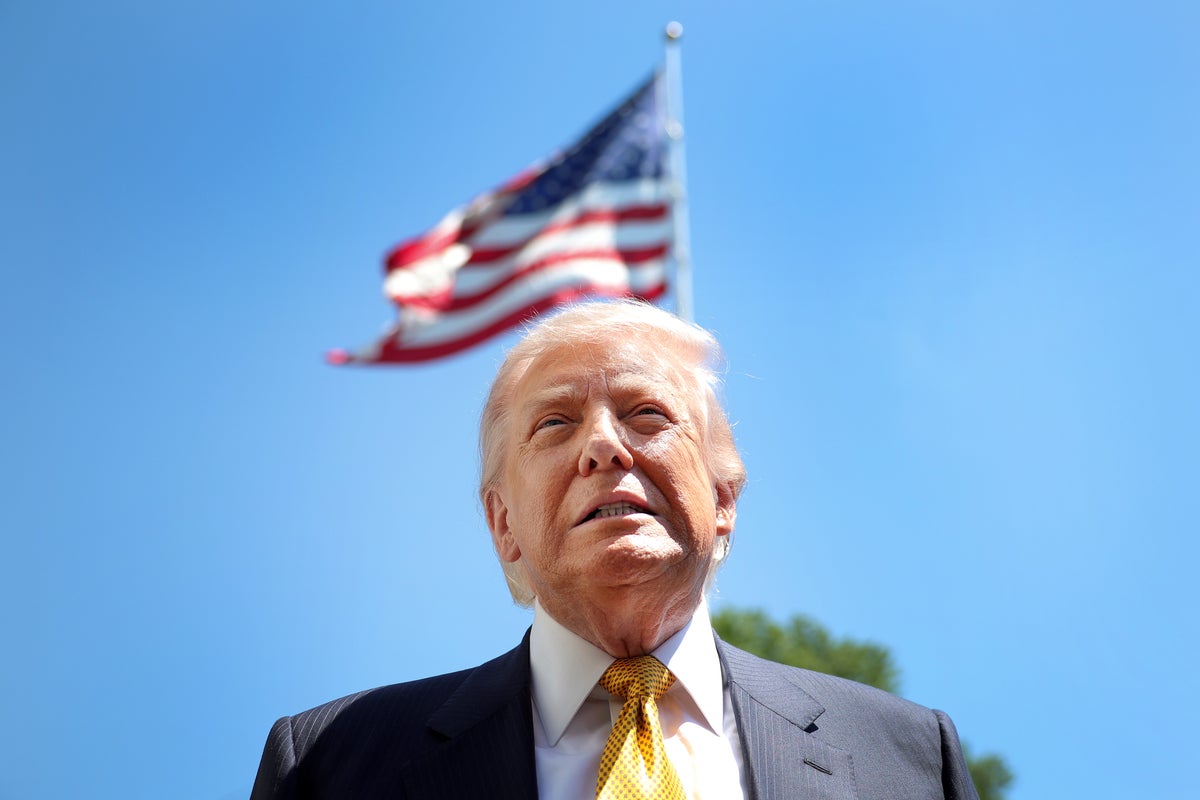
A presidency built on the twin pillars of domestic economic insulation and an aversion to foreign entanglements is currently buckling under the exact opposite realities. Donald Trump’s approval rating has plummeted to 37 percent, marking the lowest point since his return to the Oval Office in January 2025. This collapse, formalized by a devastating New York Times/Siena College poll, is not merely a routine dip in a highly polarized electorate. It represents a systemic breakdown of the unique coalition that delivered him a second term, driven directly by a highly unpopular military conflict with Iran and a grinding, oil-shocks-fueled cost of living crisis that hit American households with brutal force.
Political support is ultimately a transactional commodity. For a significant portion of independent and moderate working-class voters, the implicit agreement of the 2024 election was simple: tolerate the political noise in exchange for economic predictability and a closed checkbook on foreign interventions. The escalation of a military conflict alongside Israel against Iran, followed by a disruptive maritime blockade in the Strait of Hormuz, has shattered that expectation. When a president explicitly states, as Trump did recently, that the financial situation of average Americans is not his motivating factor in brokering an end to the hostilities, the political damage is swift. Also making waves recently: What Most People Get Wrong About the Luigi Mangione Evidence Ruling.
The Friction of a Two Front Crisis
Modern political theory often suggests that wartime presidents receive a temporary boost in popularity, a conventional rallying effect around the executive during times of geopolitical peril. That historical trend has failed to materialize here.
The primary structural reason for this failure is that the theater of operations is directly linked to the American grocery bill and gas pump. Unlike the insulated, long-term counter-insurgency operations of the early 2000s, this conflict immediately targeted global energy architecture. The subsequent disruption sent domestic oil prices climbing to an average of $4.23 per gallon by late April, dragging down broader consumer confidence and complicating the Federal Reserve's long-term attempts to stabilize interest rates. Additional details into this topic are covered by The Washington Post.
U.S. National Average Gas Prices (2026)
$4.30 |                             *
$4.20 |                      *
$4.10 |               *
$4.00 |        *
$3.90 |_*___________________________
       Jan     Feb     Mar     Apr     May
Data from recent Marist and Pew Research Center tracking demonstrates a clear, compounding trend of public dissatisfaction:
- The Iran Mandate Deficit: A substantial 62 percent of Americans disapprove of the administration's handling of the Iranian conflict, with 59 percent stating explicitly that entering the military theater was the wrong decision.
- The Economic Foundation Erodes: Long considered Trump’s ultimate political insurance policy, his numbers on the economy have flipped dramatically. Sixty-four percent of voters now disapprove of his economic management, a direct reflection of persistent, war-adjacent inflation.
- The Independent Defection: Among self-described independent voters—the group that swings national policy margins—47 percent state that the current administration's policies have actively harmed their personal finances, up from 41 percent in late 2025.
This is a structural trap. A military strategy that relies on blockades and precision strikes requires time to achieve strategic leverage over Tehran. Yet, the domestic political economy operates on an entirely different clock, one measured in weekly trips to the supermarket and monthly mortgage payments. By trying to wage an energetic foreign campaign while simultaneously managing a volatile domestic economy, the administration has created an environment where each sphere actively poisons the other.
The Fracturing of the Base
While the headline numbers highlight independent dissatisfaction, the deeper peril for the White House lies in the quiet disintegration of its core voting blocs. The assumption that the conservative base will uniformly back any executive military action is an outdated relic of the pre-2016 political landscape. The modern populist movement contains a fierce non-interventionist streak that views foreign conflicts with deep skepticism.
According to YouGov tracking data, the administration's net job approval among white Americans without a college degree—the absolute bedrock of the MAGA coalition—has shown unprecedented volatility. Among those who attend religious services regularly within this demographic, net approval dropped an astonishing 25 points over the spring months, falling from +46 to +20.
This drop-off does not mean these voters are suddenly ready to cross the aisle and join the Democratic opposition. In fact, public satisfaction with the Democratic Party remains at a dismal 26 percent. Instead, it indicates a profound retreat into political apathy and exhaustion. The aggressive domestic agenda of early 2025, which included high-profile, federally managed deportation initiatives, already strained institutional trust after logistical overreaches and high-profile operational errors. Layering an open-ended maritime conflict on top of those domestic logistical tensions has stretched the patience of even loyal supporters past its natural limit.
The internal polling breakdown within the Republican Party itself exposes a deep ideological divide:
| Voter Demographic | Support for Iran War | Opposition to Ground Troops |
|---|---|---|
| Self-Identified MAGA Republicans | 77% | 31% |
| Non-MAGA Republicans | 54% | 52% |
| Independent Voters | 24% | 63% |
This divergence reveals that the administration is catering to a highly enthusiastic but mathematically limited segment of the population. While 77 percent of hardcore MAGA loyalists stand behind the conflict, more than half of non-MAGA Republicans oppose the introduction of American ground forces. This leaves the executive branch with zero margin for error. Any escalation that requires significant troop deployments risks an open rebellion from the broader, more traditional wings of the president's own party.
The Global Strategy Deadlock
The administration’s stated objective in the Middle East was to re-establish a policy of maximum pressure, forcing Tehran back to the negotiating table from a position of economic and military disadvantage. However, an effective strategy requires an explicit, readable objective. Currently, 58 percent of the American public reports that they do not understand what the administration’s ultimate goals in Iran actually are.
This lack of clarity undermines the domestic legitimacy required to sustain prolonged military operations. When a conflict lacks a clear definition of victory, the public defaults to measuring success by the immediate costs incurred at home. With the Strait of Hormuz partially restricted and global supply chains redirecting around Africa to avoid missile corridors, the costs are apparent every day, while the strategic benefits remain entirely invisible.
The White House now faces a critical crossroad. It can double down on the current strategy, risking further inflation, deeper independent alienation, and potential losses in the upcoming midterm elections. Alternatively, it can seek an expedited diplomatic off-ramp, a move that would satisfy the 66 percent of Americans who want a swift resolution, but would inevitably draw sharp criticism from the administration's most vocal domestic defenders.
A presidency that promised absolute control over the nation's economic and geopolitical destiny now finds itself dictated by forces it failed to accurately anticipate. The numbers do not lie, and they are no longer just a warning sign. They are an active, real-time assessment of a strategy that has fundamentally miscalculated the modern American voter's threshold for economic pain in service of an opaque foreign objective.