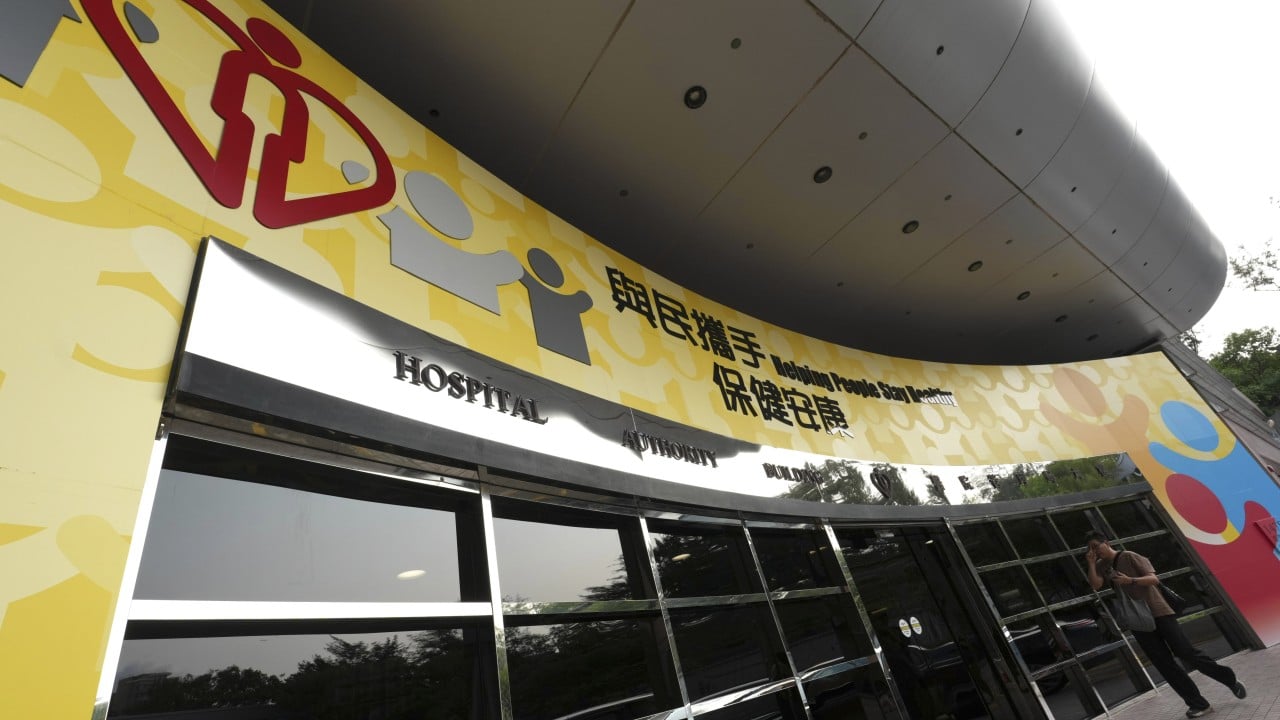
Hong Kong patients are routinely hanging up on emergency ward doctors, missing critical diagnostic updates, and ignoring clinic notifications. They are doing so out of sheer survival instinct. Rampant, sophisticated telephone scams have thoroughly poisoned the regional telecom network, turning any unexpected incoming call into a psychological minefield. To salvage its broken communication lines, Hong Kong’s Hospital Authority announced a sweeping, structural overhaul of its outbound telephone identity system. Beginning May 26, 2026, the public healthcare provider will transition to exclusive, unified seven-digit outbound caller prefixes starting with 18285 and 18286 to help citizens confidently separate genuine medical emergencies from criminal fraud.
This move exposes a deep institutional vulnerability. Public infrastructure across the globe is being choked by the fallout of rampant telecom fraud, forcing essential services like healthcare to completely restructure their public-facing tech stack just to get a civilian to answer the phone.
The Price of Paranoid Citizens
When an individual views every unknown phone number as an active economic threat, public health becomes a collateral casualty. For years, public hospitals, family medicine clinics, and specialist outpatient centers have operated using fragmented, unlisted landlines or generic, masked blocks of numbers. To a citizen accustomed to cold-calling syndicates impersonating immigration officials or law enforcement, a genuine call from an emergency department looking for next of kin looked exactly like a financial trap.
People simply stopped picking up. Doctors have complained of wasting valuable minutes repeatedly dialing patients who refuse to answer, delaying critical surgeries or time-sensitive organ transplants. The new initiative tries to break through this wall of ambient paranoia. By standardizing the outbound identity into designated blocks—specifically 1828 500 to 1828 599 and 1828 600 to 1828 699—the agency wants to create a recognizable digital signature across its massive network of facilities.
Structural Asymmetry and the Return Call Trap
The implementation of this system introduces a fascinating tech design choice that highlights the limitations of modern telecommunications infrastructure. It is a strictly one-way protocol.
If a citizen looks at their missed calls and dials back an 18285 or 18286 number, they will not reach the doctor who called them. Instead, they will encounter an automated, pre-recorded audio system stating which hospital cluster or general clinic initiated the transmission. The system will then promptly disconnect. The actual phone lines of individual wards, surgical theatres, and administrative offices remain entirely unchanged and hidden from the public view.
This design choice reveals two distinct administrative anxieties.
- Preserving Ward Workflows: If every outbound line could be directly dialed back by an anxious public, hospital switchboards and nursing stations would be instantly overwhelmed by incoming traffic, paralyzing actual patient care.
- Preventing Social Engineering: Keeping the internal operational numbers masked shields hospital personnel from bad actors seeking to spoof internal lines or manipulate staff into leaking confidential patient data.
The Hospital Authority will roll out the initiative in structured, sequential phases. The transition begins next week and will systematically sweep through regional head offices, outpatient networks, and critical tertiary care centers before reaching full scale by the end of June 2026.
Why Unified Codes Cannot Defeat Determined Spoofing
The underlying tragedy of this intervention is that it is a defensive, analog patch on a deeply flawed global digital framework. While the specialized prefixes give the public a benchmark for authenticity, they do not inherently solve the threat of professional Caller ID spoofing.
International syndicates using voice-over-IP platforms can manipulate their outbound data streams to mirror virtually any string of numbers they desire. If scammers realize the population has been conditioned to trust 18285 and 18286 calls implicitly, the incentive to spoof those exact sequences skyrockets.
Aware of this looming vulnerabilities, the authority’s spokespeople have issued strict operational caveats alongside the launch. The authority notes that a small, unpredictable volume of calls will still originate from legacy mobile lines or un-migrated landlines due to localized operational quirks. More importantly, real hospital staff are instructed to walk patients through verified internal data metrics to prove identity, rather than relying solely on the flashing digits on a smartphone screen.
Public entities cannot fix network security flaws on their own. Until telecommunications carriers implement cryptographic, end-to-end authentication protocols that fundamentally prevent caller identity manipulation at the carrier level, measures like unified hospital codes are merely temporary shields. They buy time, but they do not win the war.