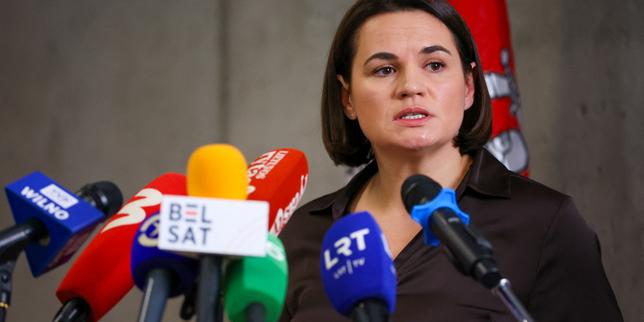
Support for Belarusian dissidents in Lithuania is quietly fracturing under the weight of political fatigue, security paranoia, and shifting domestic priorities. For years, Vilnius functioned as the undisputed democratic heartbeat for those fleeing Alexander Lukashenko’s regime. That hospitality is cooling into skepticism.
When tens of thousands of Lithuanians linked hands in a massive human chain back in 2020, stretching from Vilnius toward the Belarusian border, the gesture was born of shared historical trauma. Citizens who remembered Soviet occupation saw their neighbors fighting an identical shadow. Today, that visceral empathy has run up against cold geopolitical reality. In other news, we also covered: The Shadows We Thought We Left Behind.
The Security Paradox and Intelligence Fears
The core driver behind Lithuania's hardening stance is not merely economic fatigue; it is an acute, hyper-vigilant fear of intelligence penetration. Security services in Vilnius face a monumental dilemma. Managing a massive diaspora community means tracking tens of thousands of arrivals whose backgrounds cannot be easily vetted against authoritarian state archives.
Minsk has proven adept at weaponizing migration. Operatives loyal to Lukashenko have repeatedly attempted to embed themselves within the refugee flow. When counterintelligence agencies uncover plots or suspect surveillance operations targeting high-profile opposition figures, public anxiety spikes. Reuters has also covered this critical issue in extensive detail.
Paranoia breeds generalization. Ordinary exiles who left Minsk simply to avoid prison sentences find themselves viewed with lingering suspicion by landlords, banks, and local bureaucrats. Bureaucratic friction has transformed from simple red tape into a systematic tightening of residency permits.
Domestic Politics and the Far Right Shift
Political opportunism has accelerated this erosion. Right-wing and nationalist political factions in Lithuania have capitalized on anti-immigrant sentiment, cleverly blurring the lines between economic migrants, Russian nationals, and Belarusian political dissidents.
For years, a broad cross-party consensus insulated Belarusian exiles from domestic political squabbles. That consensus shattered as coalition governments wrestled with inflation, strained public services, and housing shortages. Populist politicians found an easy scapegoat in foreign populations perceived as receiving preferential treatment or stretching state resources.
Even as traditional parties attempt to course-correct and isolate extremist elements within the parliament, the damage to the social fabric is done. The narrative has shifted. Exiles are no longer framed exclusively as freedom fighters needing shelter. They are increasingly portrayed as an indefinite liability.
The Financial Squeeze on Civil Society
NGOs operating in Vilnius report a dramatic contraction in operational funding and state backing. Organizations designed to provide legal aid, psychological support, and professional integration for dissidents are running on fumes.
International donors have pivoted their financial lifelines toward other regional security crises, leaving Lithuanian civil society organizations to shoulder a burden they were never structured to carry permanently. Rent prices in Vilnius have skyrocketed, pushing marginalized exiles into precarious housing arrangements.
Employment barriers remain stubbornly high. Professional certifications earned in Minsk often hold zero weight in the European Union job market. Engineers, doctors, and academics find themselves trapped in low-wage service sectors, leading to a quiet wave of secondary migration toward Western Europe or, worse, quiet desperation.
A Shrinking Safe Haven
Lithuania remains a vital sanctuary on paper, but the daily lived experience of a Belarusian exile in Vilnius has grown precarious. The open door is closing, jammed by political expediency, security fears, and the exhaustion of a host nation grappling with its own existential anxieties. The safe haven that once promised a temporary bridge back to a free Minsk now looks increasingly like a permanent waiting room with locked doors.