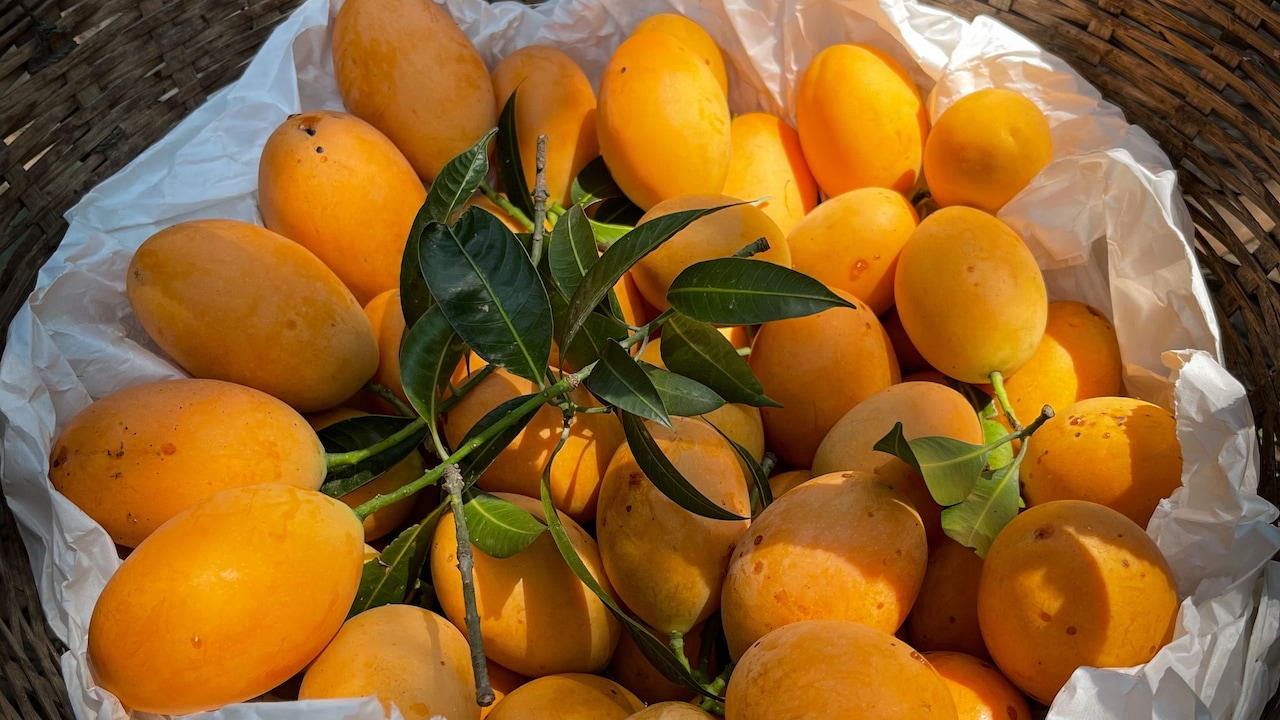
The King of Fruits is facing an unprecedented border crisis. Nepal has blocked the entry of Indian mangoes, enforcing a strict temporary ban after border inspections detected pesticide residues far exceeding safe limits. This sudden regulatory wall comes just weeks after Japan halted imports of fresh Indian mangoes due to severe quarantine and pest-control failures at treatment facilities. What looks like a localized food safety dispute is actually a systemic breakdown in India’s multi-million-dollar agricultural export engine, exposing deep flaws in quality control and domestic chemical usage.
The immediate fallout has scrambled regional supply lines. Before Kathmandu slammed the gates shut, roughly 15.8 metric tonnes of mangoes had crossed the border checkpoints. Now, those shipments have frozen, leaving traders stranded and sparking a dramatic shift in local markets.
The Border Blockade and the Testing Deficit
Nepal’s Ministry of Agriculture and Livestock Development acted after routine screening revealed that incoming shipments violated Maximum Residue Limit guidelines. While the policy aims to protect domestic consumers from toxic chemical exposure, it has highlighted a glaring infrastructural vulnerability. Nepal lacks comprehensive quarantine and laboratory testing facilities across several key border regions, most notably in the Madhesh province.
Because Kathmandu cannot reliably test every truckload on the spot, a blanket restriction became the only viable defense against contaminated produce. The strategy has effectively forced a reliance on domestic cultivation. In markets like Janakpurdham, local Nepali mangoes now enjoy an artificial monopoly.
Yet, this protectionist side effect masks a looming economic problem for Nepalese merchants. Local orchards cannot meet the national demand during peak summer. Fruit traders are scrambling to find alternative international suppliers, predicting severe shortages and skyrocketing retail prices within weeks.
Toxic Cocktails in the Orchard
To understand why Indian mangoes are failing international laboratory tests, one must look at the structural incentives governing Indian agriculture. For decades, smallholders and industrial orchard managers have relied heavily on aggressive chemical regimens to maximize yield and protect crops from aggressive pests like the mango hopper and the fruit fly.
The problem lies in late-stage spraying. To ensure that highly delicate varieties like the Alphonso, Kesar, Langra, and Banganapalli survive long transit routes without cosmetic blemishes, some growers apply heavy doses of fungicides and systemic pesticides dangerously close to harvest time. Under ideal conditions, these chemicals require a specific degradation window before picking. When economic pressures compress this timeline, the toxic residue remains locked into the skin and pulp of the fruit.
Furthermore, India’s domestic regulatory framework for pesticides remains notoriously permissive compared to international benchmarks. Chemicals banned or heavily restricted in East Asia and Europe are frequently sold over the counter in rural Indian markets. This disconnect creates a dangerous illusion for exporters who assume that meeting domestic compliance guarantees entry into foreign markets.
The Japanese Precedent and Structural Failures
The restriction by Nepal cannot be viewed in isolation. It forms a domino effect that began in May when Tokyo suspended imports of fresh Indian mangoes. The Japanese decision was the first major disruption since Tokyo carefully reopened its doors to Indian agricultural products in 2006, ending a previous two-decade ban.
Unlike Nepal’s focus on chemical residues, Japan’s suspension stems from a breakdown in biosecurity protocols. Japanese inspectors discovered significant lapses in the mandatory vapor heat treatment and hot water treatment processes designed to eliminate fruit fly larvae. These treatments must occur at state-approved facilities under rigid temperature and duration conditions.
When an export facility shortcuts these protocols to accelerate throughput, it undermines the structural credibility of the entire nation’s agricultural certification system. Japan’s response was swift and uncompromising, instantly locking out premium varieties.
The dual blow from Tokyo and Kathmandu reveals a structural failure in oversight by India’s Agricultural and Processed Food Products Export Development Authority. The agency is responsible for auditing these treatment plants and ensuring field-level compliance. The reality on the ground shows that systemic corruption, outdated machinery, and insufficient field-level training allow sub-standard produce to slip through the export pipeline.
The Global Economic Backlash
The economic ripples of these regulatory rejections extend far beyond the immediate financial losses of the current harvest season. India produces over 40 percent of the world’s mangoes, but its share in global export markets remains remarkably low, hovering around one percent. High-value markets like the European Union and the United States maintain zero-tolerance policies for quarantine pests and chemical contamination.
When regional neighbors like Nepal, which historically maintained loose border controls, begin enforcing strict maximum residue limits, it signals a shift in regional trade dynamics. Developing nations are rapidly modernizing their food safety frameworks, catching Indian exporters off guard.
The long-term danger is reputational damage. Agricultural supply chains depend entirely on predictability. Once an export origin gains a reputation for chemical non-compliance or pest infestation, international supermarket chains quickly pivot to more reliable producers like Mexico, Peru, or Thailand. These competitors have heavily invested in traceability systems, ensuring that every piece of fruit can be tracked back to the specific plot of land and the exact chemical log under which it was grown.
India's current strategy relies too heavily on scale rather than precision. Unless the ministry enforces strict penalties for export facilities that falsify treatment logs and aggressively educates farmers on pre-harvest intervals for pesticide application, more borders will close. The crisis is not a temporary glitch in bilateral trade relations; it is a clear warning that the global market will no longer tolerate outdated, chemically dependent agricultural practices.