Scorching asphalt, civil unrest, and a society teetering on the edge of collapse make for potent television. When Iwan Rheon stepped into the chaotic world of The Rapture, the BBC adaptation of Liz Jensen's 2009 novel, the parallel to our current climate reality wasn't lost on anyone. Sweat, panic, and oppressive heat form the backdrop of this five-part psychological thriller. It hits screens precisely when real-world temperatures are breaking records and public anxiety is running hot.
What the New BBC Thriller Gets Right About Modern Anxiety
Most dystopian dramas rely on distant futures or post-nuclear fallout to scare you. The Rapture takes a different route. It drops its characters right into a suffocating, apocalyptic heatwave where street protests clash with institutional failures.
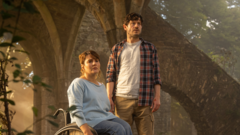
At the center of the story is Dr. Gabs Fox, a forensic psychologist played by Ruth Madeley, who starts a high-stakes job at Oxsmith psychiatric hospital. She encounters 17-year-old Bethany Krall, portrayed by India Amarteifio. Bethany is locked away for murdering her mother, but she insists she is innocent and claims she can foresee catastrophic global events.
Enter Dick Carwyn, played by Iwan Rheon, alongside a stellar supporting cast including Ruth Jones and Sam Hazeldine. The narrative weaves together personal trauma, religious cult dynamics via Bethany's estranged father Leonard, and environmental dread.
Why does this specific setup work so well? Because you can step outside your house right now, feel the oppressive weight of summer, and recognize the ambient tension on screen.
The Thin Line Between Prophecy and Psychopathy
Television loves a good unreliable narrator, but The Rapture twists the trope into something heavier. Executive producer Rebecca Durbin framed the core conflict bluntly: Is Gabs being manipulated by a dangerous psychopath, or is Bethany actually a teenage prophet?
Scripted by Bryony Kimmings, the series refuses to give you easy answers. It forces you to sit with uncomfortable questions about mental health institutions, societal breakdown, and how humanity handles impending doom. When characters like Dick Carwyn interact with the core madness of the facility, the claustrophobia feels earned. You aren't just watching a mystery unfold; you're watching institutional guardrails buckle under pressure.
Why Climate as a Catalyst Changes the Game
For years, eco-thrillers felt preachy or sterile. They treated climate change as an abstract graph rather than a lived experience. This series treats blistering heat as a character in its own right.
When the temperature spikes, human behavior degrades. Tempers flare on the streets, institutional staff crack under stress, and logic gives way to superstition. By anchoring a supernatural mystery within a very physical, sweat-drenched environment, the production team bypassed the usual sci-fi detachment.
If you plan on diving into the five-part run on BBC One and BBC iPlayer, don't expect a neat, comforting resolution. Expect a gritty exploration of trauma that mirrors the turbulence outside your own window. Check out the premiere to see how the psychological chess match between Gabs and Bethany plays out against the backdrop of a breaking world.