The Architecture of Quiet Diplomacy
Walk through the corridors of international summits long enough, and you learn to ignore the official communiques. The polished press releases speak of bilateral cooperation, strategic alignment, and mutual respect. They sound like they were written by a committee of algorithms. But real diplomacy is rarely found in the text of a finalized treaty. It lives in the small, unscripted pauses. It lives in the posture of two men standing beneath high chandeliers, surrounded by a sea of aides, holding the weight of billions of lives on their shoulders.
Next week, that scene plays out once more.
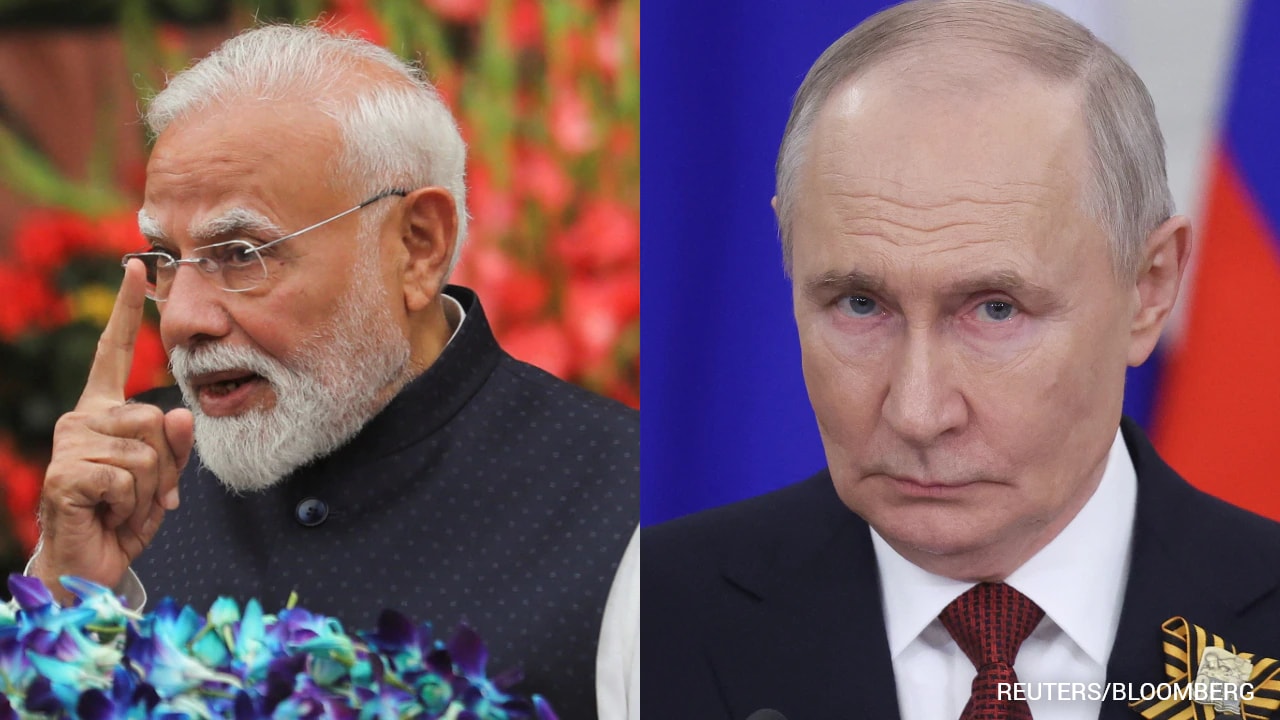
Vladimir Putin has made it clear: he expects to sit across the table from Indian Prime Minister Narendra Modi at the upcoming Shanghai Cooperation Organisation summit. On paper, it is a routine diplomatic fixture. In reality, it is a high-stakes dialogue between a nation navigating unprecedented global isolation and a rising economic powerhouse walking a tightrope between historic loyalties and modern ambitions.
Consider what happens in those rooms when the cameras stop rolling.
I remember standing outside a closed-door ministerial meeting in Geneva years ago, watching delegates emerge. Their neckties were slightly loosened. Their laughter was polite, but tight. You could smell the distinct tension of interests colliding in real-time. That is the unseen friction of global politics. When Modi travels to meet Putin, he does not go simply as a guest of honor. He goes as the representative of a billion voices demanding growth, energy security, and strategic autonomy in a fractured world.
To understand why this upcoming encounter matters so deeply, we have to look past the cold geometry of geopolitics and examine the human equation.
The Weight on the Tightrope
India has a foreign policy tradition born of fierce independence. Non-alignment was never just a political slogan; it was a survival strategy for a young nation determined not to become a pawn in a superpower chess match. Today, that philosophy has evolved into multi-alignment.
Imagine walking on a narrow steel cable suspended over a canyon. To your left, historical ties and defense partnerships that span decades. To your right, rapidly deepening economic and technological dependencies with Western powers who view your old friends with deep suspicion. One wrong step, one misplaced word at a multilateral summit, and the balance tips.
This is Modi’s reality.
When Western capitals look toward New Delhi, they see a crucial democratic counterweight in Asia. They see a partner against rising hegemony. Yet, when New Delhi looks at Moscow, it sees decades of reliable energy supplies, defense hardware that keeps its borders secure, and a stabilizing anchor in Central Asia.
Putin knows this dynamic intimately. Isolated by sweeping international sanctions and searching for reliable economic lifelines in the East, Moscow views its relationship with New Delhi not merely as a partnership, but as a strategic necessity. Every diplomatic interaction, every confirmed summit attendance, is a signal to the rest of the world that Russia is not entirely alone on the global stage.
And Modi? Modi listens. He nods. He calculates.
I once spoke with a retired Indian diplomat who spent forty years negotiating trade agreements in harsh capitals. He told me something that stayed with me.
"In diplomacy," he whispered over a cup of lukewarm tea, "friendship is a luxury item. Interest is the currency."
The Human Face of Statecraft
It is easy to view these leaders as monolithic entities—faceless avatars of state power marching across maps. But statecraft is intensely personal. Body language tells the true story long before the ink dries on a joint statement.
Think back to previous summits. The way leaders lean in close when translators pause. The firm handshakes captured by telephoto lenses, designed to send coded messages to Washington, Beijing, and Brussels simultaneously. These moments are choreographed down to the second, yet they hinge entirely on the chemistry between individuals.
Putin and Modi have met dozens of times. Their relationship has weathered geopolitical storms that would have shattered lesser partnerships. There is a familiarity there—an established rhythm of conversation that bypasses diplomatic pleasantries and cuts straight to transactional realities.
When they meet at the SCO summit, the agenda will be heavy with predictable items: regional security, trade corridors, energy pipelines, and financial settlements bypassing traditional Western payment systems. But the subtext will be entirely about resilience.
For India, the priority is clear. Energy must flow. Inflation must be kept at bay. The domestic economy, powering the dreams of millions of young people entering the workforce every single day, cannot afford the shockwaves of global supply chain fractures. Buying discounted Russian crude was never about ideological alignment; it was about protecting the livelihood of a street vendor in Mumbai or a software engineer in Bengaluru from paying exorbitant fuel prices.
For Russia, the priority is integration. Moscow needs corridors that do formal trade without relying on Western financial rails. The International North-South Transport Corridor and various regional economic frameworks discussed within the SCO become the arteries through which Russian commerce survives.
The Ripple Effect
We often forget that high-level summits trickle down to ordinary lives in ways we rarely trace.
When leaders finalize transit agreements or currency swaps, cargo ships move a little faster through ports. Fertilizer prices stabilize for farmers tilling dry soil in Uttar Pradesh. Tech components find alternative routes to assembly lines.
The upcoming summit in the SCO framework is not a spectator sport. It is a quiet renegotiation of how the world works when the old rules no longer apply. We are living through the painful birth of a multipolar reality—a messy, chaotic transition where traditional superpowers no longer hold a monopoly on global influence.
As the date of the summit approaches, the international press will dissect every word, every missed glance, every nuance of protocol. Pundits will spin theories about shifting alliances and diplomatic snubs.
Look past the noise.
Watch the handshake. Listen to the silence between the spoken promises. That is where the future is being written, one careful, calculated step at a time.