Silence.
That is the first thing you notice in a basement concrete bunker just before the shockwave arrives, a heavy, pressurized vacuum that sucks the oxygen out of your lungs and makes your eardrums ache like you are diving too fast into freezing water.
When the news tickers flash a headline reading that eight Ukrainians were killed in Russian strikes following an attack on the Crimea bridge, the mind naturally treats the words like accounting entries. Eight lives. One span of steel and concrete over the Kerch Strait. A neat, terrible equation of cause and effect balanced across a digital screen thousands of miles away from the smell of cordite and damp plaster.
We read the numbers, shake our heads at the predictable rhythm of escalation, and scroll down to see what else is happening in the world.
Yet behind that sterile tally of eight fatalities lies a visceral, terrifying reality that headlines systematically flatten. To understand what happens when a vital military artery is severed and a superpower answers with long-range missiles, you have to step away from the geopolitical map and stand inside a kitchen where the tea is still warm on the table while the ceiling caves in.
The Anatomy of a Chokepoint
Think of the Kerch Strait Bridge not merely as a feat of engineering, though stretching twelve miles across open water between the Russian mainland and the annexed Crimean peninsula certainly required massive industrial effort. Think of it instead as a single, exposed jugular vein feeding an entire army.
Since its opening in 2018, this dual road-and-rail structure has served as both a logistical lifeline for Russian forces operating in southern Ukraine and a monumental symbol of Vladimir Putin's territorial ambitions. Every tank tread, every crate of artillery shells, and every tanker of diesel rolling toward the southern front relies heavily on those parallel spans of asphalt and iron. When explosions tear through that bridge—whether delivered by sea drones packed with explosives or precision strikes—the damage ripples outward far beyond twisted rebar and scorched pavement.
It humiliates. It disrupts. It forces an immediate, frantic rerouting of supply chains onto vulnerable overland corridors running along the Sea of Azov.
And in the brutal logic of modern warfare, humiliation at a strategic chokepoint almost always triggers an immediate, thunderous response aimed not at the battlefield, but at the living rooms of ordinary people.
Inside the Sirens
To grasp the human weight of those eight lost lives, consider a hypothetical scenario grounded entirely in the documented patterns of these retaliatory barrages.
Picture Olena, a retired schoolteacher living in a fifth-floor apartment in a residential district far from any military barracks or ammunition depot. Let us be clear that Olena is a composite character, a literary lens through which we can view the real victims whose names appear on municipal casualty lists. In her world, the war is measured not in territorial square kilometers, but in the battery life of her flashlight and the sudden, high-pitched shriek of the air-raid alert on her phone.
At 3:14 in the morning, the alert sounds.
You have roughly four minutes. Four minutes to pull a winter coat over your pajamas, grab a pre-packed bag containing your passport and blood pressure medication, and navigate a pitch-black stairwell alongside neighbors whose faces you only recognize by the glow of their smartphone screens. If you are eighty years old with bad knees, four minutes is an eternity you do not have.
You stay in the hallway, away from the windows, pressing your back against a load-bearing wall because someone on television once said the "two-wall rule" might save you from flying glass.
Then comes the sound.
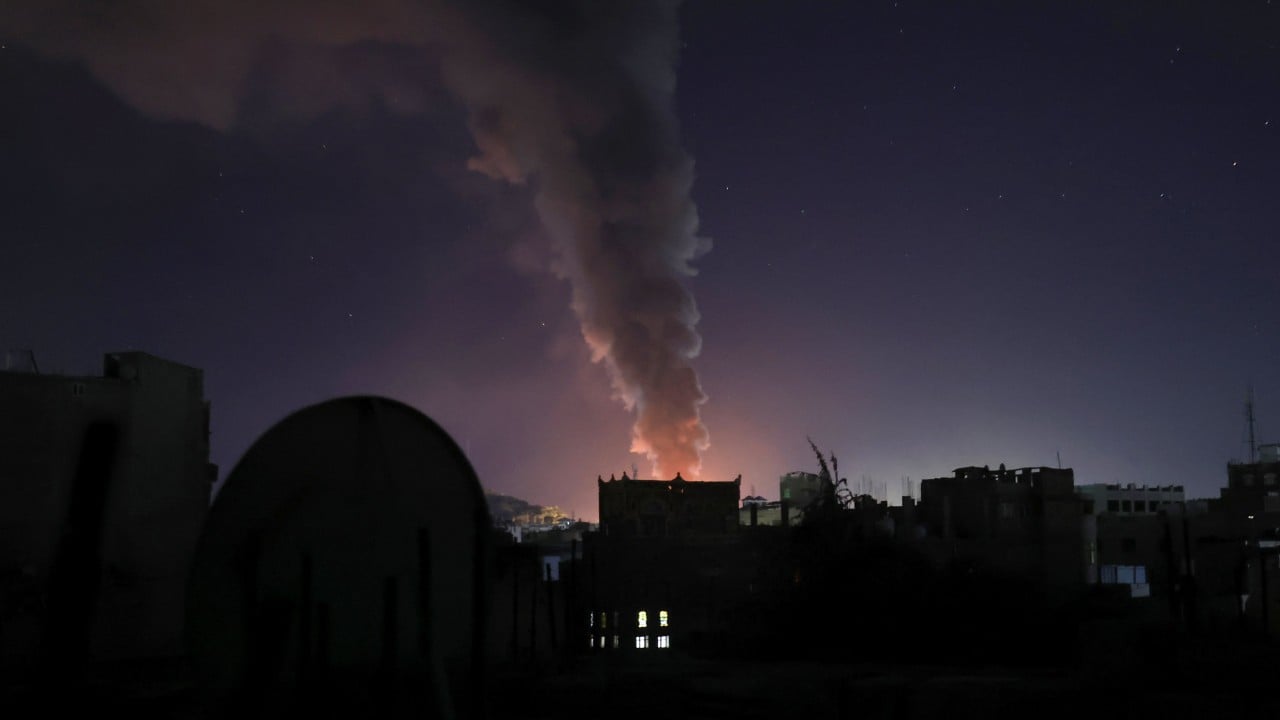
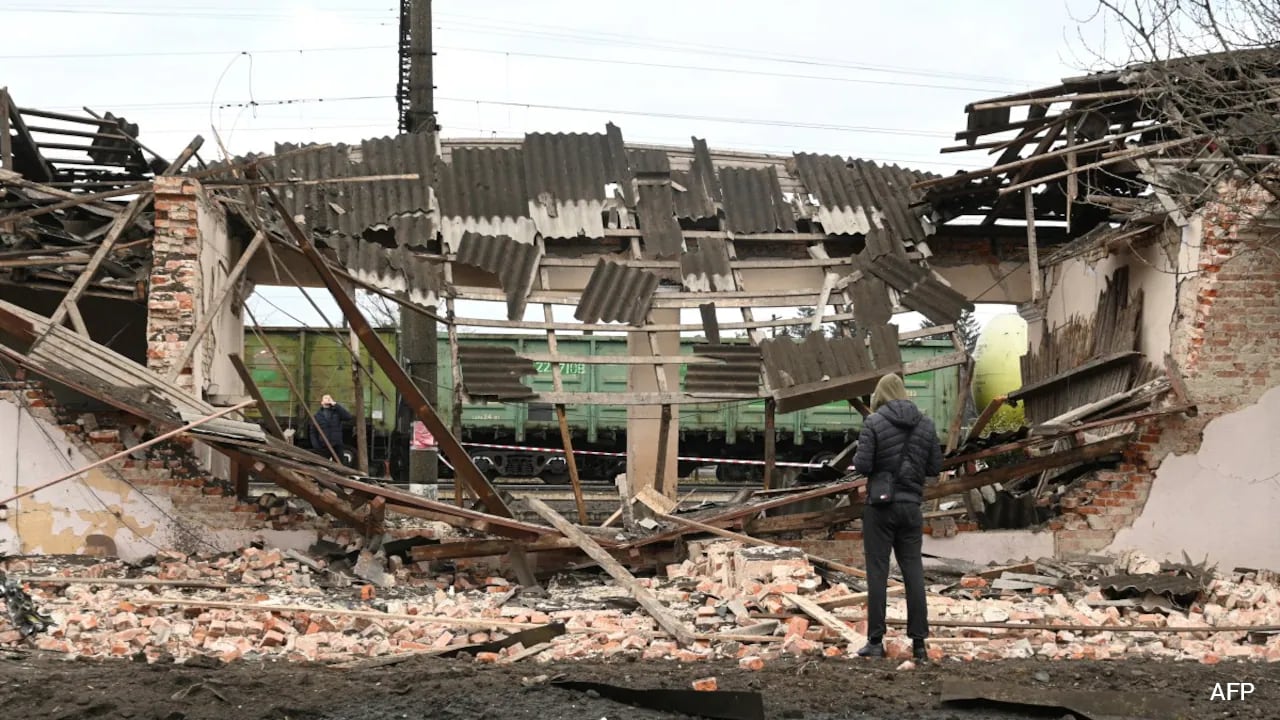
It is not the crisp bang of fireworks. It is a low, visceral roar that vibrates in your teeth before the explosion even registers in your ears, followed by the metallic shriek of tearing sheet metal and the suffocating, chalky bloom of pulverized drywall. When emergency crews pull eight bodies from the rubble of apartment blocks, train stations, or municipal buildings after a night of strikes, those numbers represent people who were simply caught in the wrong stairwell at the wrong second.
Why Civilian Infrastructure Becomes the Target
A question naturally surfaces whenever these headlines break, one that puzzles observers watching from the safety of peaceful cities: if the strike on the Crimea bridge targeted a military supply route, why do the retaliatory missiles so frequently slam into apartment buildings, electrical substations, and grain silos?
The answer lies in a grim military doctrine designed to break national willpower rather than win a tactical engagement.
Destroying a moving platoon of infantry with a multi-million-dollar cruise missile is extraordinarily difficult. Destroying a stationary transformer station or an urban residential block is tragically simple. By plunging cities into darkness, cutting off running water in sub-zero temperatures, and turning ordinary bedrooms into blast zones, the aggressor seeks to manufacture exhaustion. The unspoken demand is simple: force your government to negotiate, surrender territory, and stop hitting our strategic assets, or the sirens will never stop.
History, however, tells a remarkably consistent story about how populations react to aerial bombardment. From the London Blitz to the cities of modern Ukraine, terror from the sky rarely produces capitulation. Instead, it hardens resolve. Each crater in a public park and each grieving family standing beside a fresh grave transforms abstract political resistance into a deeply personal refusal to yield.
The Psychological Toll of the Invisible War
Living under this permanent shadow alters the human nervous system in ways that statistics never capture.
When you live through months of retaliatory strikes, your brain rewires itself to scan every environment for exits and structural weaknesses. You stop sitting near café windows. You flinch when a heavy truck rumbles over a pothole or when a neighbor slams a car door too hard in the courtyard. Sleep becomes fragmented, shallow, and haunted by the phantom hum of incoming drones.
I have spoken with survivors who describe an overwhelming sense of guilt—not for anything they did wrong, but simply for surviving when the family one floor up did not. There is a profound, disorienting absurdity in trying to maintain normal life while missiles streak overhead. People still walk their dogs between air raids. Baristas still pull espresso shots twenty minutes after an all-clear signal sounds. Children still attend classes in underground metro stations converted into makeshift classrooms, learning multiplication tables while heavy trains rumble past behind temporary partitions.
This is not romantic heroism. It is sheer, stubborn adaptation—the human refusal to let violence dictate every waking breath.
The Escalation Trap
Yet we cannot ignore the terrifying strategic puzzle that every strike and counter-strike creates for Kyiv, Moscow, and the Western allies watching nervously from the sidelines.
For Ukrainian forces, striking the Crimea bridge is an undeniable military necessity. Every day that rail line stays closed or operating at reduced capacity translates directly into fewer artillery shells landing on Ukrainian trenches in Zaporizhzhia and Kherson. Leaving an enemy's primary supply artery intact out of fear of retaliation would be military suicide.
At the same time, every successful strike against a high-profile Russian symbol invites a furious, disproportionate response against Ukrainian cities, testing the limits of air defense systems that are perpetually stretched thin. Interceptor missiles are expensive, finite, and difficult to manufacture quickly. A swarm of cheap drones combined with ballistic missiles is explicitly engineered to overwhelm those defenses, forcing defenders to make agonizing choices about which power plant, hospital, or residential neighborhood they can afford to protect on any given night.
It is a high-stakes game of attrition played out in three dimensions, where the currency is measured in megawatts, interceptor stocks, and human lives.
Beyond the Morning Briefing
By tomorrow morning, another news cycle will sweep across our screens. New headlines will replace the tally of eight dead, new crises will demand our outrage, and the damaged bridge across the Kerch Strait will quietly undergo another round of structural repairs under heavy guard.
It is easy, perhaps even necessary for our own sanity, to let these events blur into a continuous background hum of distant conflict. We become numb to numbers that repeat every few weeks.
But pause for just a moment before moving on to the next story. Think about the quiet geometry of an ordinary room—a chair beside a window, a framed photograph on a shelf, a pair of shoes lined up neatly by the front door. Think about how effortlessly a single trajectory of steel and high explosive can erase decades of memory, laughter, and quiet domestic routine in less than a heartbeat.
Eight people woke up expecting an ordinary day, and their absence now leaves an unfillable void at eight kitchen tables.