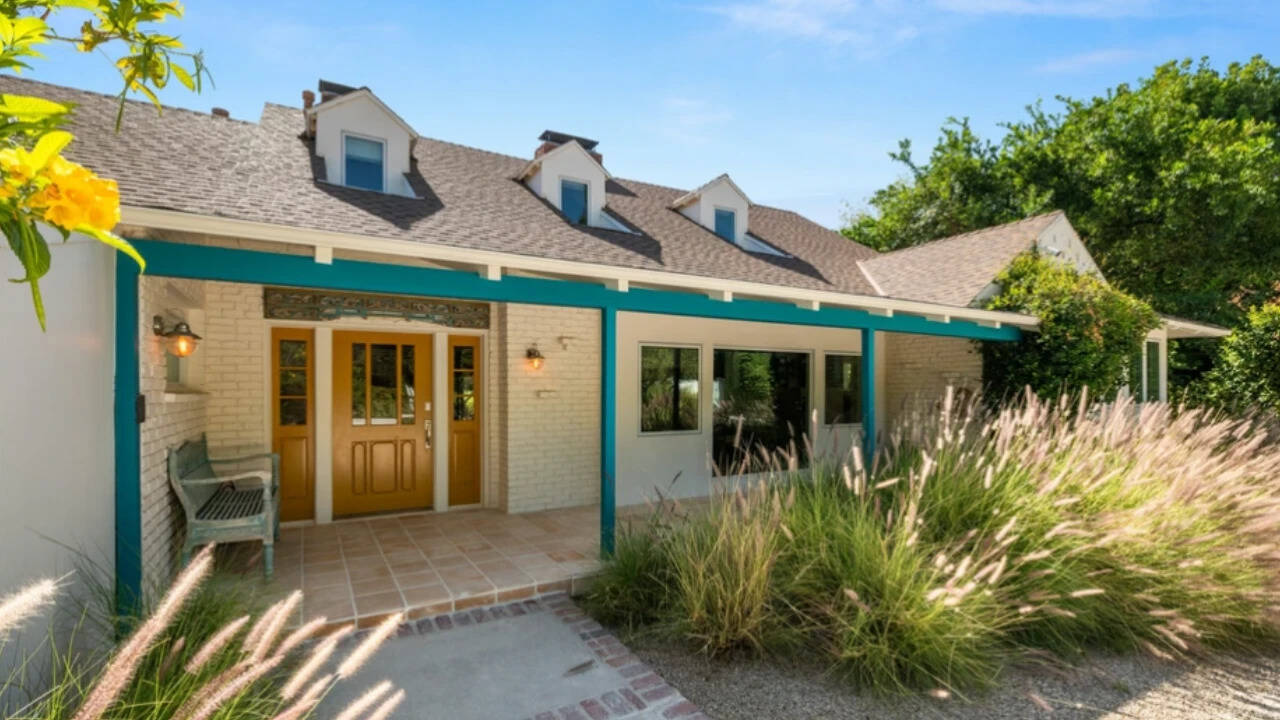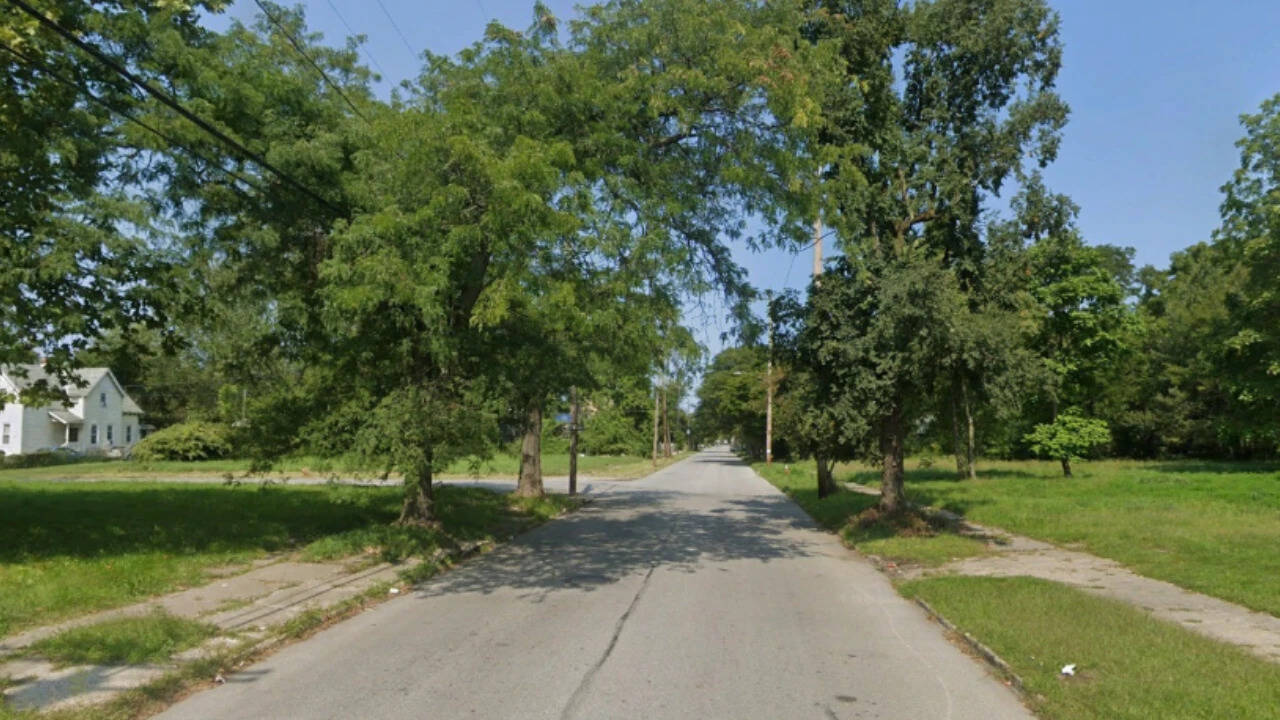
Every time municipal leaders look at a map of a depopulated Rust Belt ward, their collective brain breaks. They see vacant lots and hollowed-out corridors, and their knee-jerk reaction is the same stale playbook: dump hundreds of millions of dollars into subsidized luxury housing to manufacture an aesthetic revival.
The headlines write themselves. Cleveland lost eighty percent of its peak residents over decades of industrial exodus, and the brilliant solution from the planning commission is to throw one hundred eighty-two million dollars at two hundred new housing units.
It is an expensive delusion.
I have watched public officials light nine-figure sums on fire across the Midwest trying to reverse secular demographic shifts with drywall and granite countertops. They treat municipal decline as an architectural problem when it is an economic gravity problem. You cannot zone your way back to 1950 when the underlying tax base, employment engine, and regional migration patterns are heading in the opposite direction.
Let us look at the lazy consensus. The standard narrative claims that if you build shiny new housing stock, the rooftops will magically summon the people, and the people will magically summon the commerce. It sounds neat on a PowerPoint slide presented to a city council. In reality, it is a wealth transfer from public coffers to private developers who know how to milk municipal desperation.
When a neighborhood has hemorrhaged the vast majority of its population, the primary constraint is not a shortage of quartz-topped kitchens. The constraint is a lack of sustainable enterprise, functional municipal services that do not require crushing tax rates, and actual employment density. Building two hundred expensive units in a vacuum does not create an ecosystem. It creates an isolated island of subsidized gentrification surrounded by systemic decay, entirely dependent on life support from state and federal grants.
To understand why this strategy fails, we need to look at municipal balance sheets with cold, hard realism.
The Math of Shrinking Cities Doesn't Care About Your Renderings
Urban planners love to talk about vibrancy. Let us talk about math.
Infrastructure does not shrink just because the population does. A mile of water pipe, a mile of sewer line, and a mile of asphalt cost the exact same to maintain whether twenty families live on that street or two hundred. When an urban core drops eighty percent of its heads, the fixed costs of maintaining the physical footprint of the city remain fixed, while the tax revenue required to pay for them plummets.
Pouring one hundred eighty-two million dollars into two hundred units yields a per-unit subsidy that would make a venture capitalist blush. We are talking about nearly a million dollars of public and private financial exposure per door in a market where median home values sit a fraction of that figure.
Imagine a scenario where a private business owner attempts this logic: borrowing heavily to construct high-end inventory in a commercial district that has lost eighty percent of its foot traffic over fifty years. They would be laughed out of every bank in the country. Yet when local governments do it with taxpayer funds, they call it economic development.
The fundamental misconception is that population loss is reversible through real estate speculation. It is not. People do not move back to a zip code because a developer built a mid-rise with a communal bike room. They move where the high-margin, future-proof jobs are. If Cleveland or any legacy manufacturing hub wants to reverse its trajectory, the capital needs to fund high-tech industrial incubation, workforce retraining for automation and energy sectors, and targeted property tax relief for working-class homeowners who are already holding the line.
Instead, officials chase the ghost of the density boom by building monuments to aspiration that price out the very residents who stayed through the worst decades.
The Developer Subsidy Shell Game
Let us dismantle the mechanics of how these deals actually get structured.
Developers are not stupid. They smell public subsidy money like sharks smell blood in the water. They assemble parcels in distressed zones where land is cheap, secure massive public financing packages through tax increment financing, state grants, and federal programs, and then build luxury apartments that command top-of-market rents.
They pitch this as an "anchor investment" that will spur neighborhood trickles of wealth. But trickle-down municipal economics fails for the exact same reasons trickle-down fiscal policy fails. The capital stays trapped inside the project loop. The surrounding blocks do not experience a renaissance; they experience a rise in property assessments that pushes long-term homeowners closer to tax delinquency.
I have evaluated distressed real estate portfolios across the Rust Belt where municipal authorities spent decades chasing marquee downtown megaprojects while ignoring basic neighborhood stabilization. They built stadiums, convention centers, and waterfront luxury blocks, all while the middle-ring neighborhoods crumbled from deferred maintenance and municipal neglect.
The developer walks away with guaranteed returns backed by public risk. The city is left holding a depreciating asset and a higher debt service burden.
The Unspoken Downside of the Contrarian Take
Every contrarian model has a flaw, and I am not going to sugarcoat mine.
If you stop subsidizing luxury infill development in shrinking cities, what happens to the physical landscape? If municipalities stop intervening with aggressive capital injections, large swaths of the urban core will contract further. Abandoned properties will be demolished. Density will collapse completely in specific pockets.
It looks ugly. It hurts political pride. Mayors do not want to preside over a smaller, leaner city footprint because contraction feels like failure.
Accepting reality means embracing managed shrinkage. It means acknowledging that a city built for a million people cannot sustain its physical infrastructure with two hundred thousand residents without bankrupting itself. The solution is not to build more expensive islands. The solution is to consolidate services, turn vacant industrial land into productive green infrastructure or urban agriculture, and radically lower the cost of living for the people who actually live there.
Instead of spending one hundred eighty-two million dollars on two hundred housing units for theoretical newcomers, what if that capital was distributed as direct property tax abatements or equity grants for the thousands of existing homeowners trapped in declining neighborhoods? What if we invested in micro-grants for local service businesses and worker-owned cooperatives instead of out-of-town real estate syndicates?
We refuse to ask those questions because they lack sex appeal. You cannot put a rendering of a stabilized neighborhood tax credit on a glossy marketing brochure.
The Death of the Growth Paradigm
We are living through the death rattle of the twentieth-century growth model.
For generations, municipal policy was anchored in a singular, unyielding dogma: bigger is always better, more rooftops equal more prosperity, and concrete equals progress. That paradigm died the moment global supply chains shifted, industrial automation hollowed out factory towns, and remote work decoupled white-collar employment from physical geography.
Clinging to the old playbook in Cleveland or any post-industrial city is not optimism. It is institutional malpractice.
Stop funding luxury density in a vacuum. Stop pretending that real estate speculation is an industrial policy. Cut the municipal overhead, shrink the infrastructural footprint to match the actual population, and put capital directly into the hands of the human beings who refused to abandon the city when times were hardest.
If you keep building for ghosts, you will end up bankrupting the living.