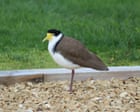
Picture a grounds crew steering heavy mowers across lush turf while a tiny, fiercely territorial bird refuses to budge from a shallow scrape in the grass. On a Tasmanian cricket ground, a protected plover nest turns routine pitch maintenance into a high-stakes balancing act between sport, animal behavior, and wildlife law.
Honestly, most sports fans hear about a bird nesting near a sporting venue and assume chaos is coming. Cancelled matches. Angry captains. Groundskeepers cursing under their breath. Yet when staff mow around a protected plover nest instead of bulldozing or panicking, the story usually plays out with surprising calm—provided everyone respects the bird's boundaries and gives it room to do its job.
I've spent plenty of time watching how turf managers handle unexpected wildlife on active fields, and what sounds like a logistical headache in theory often comes down to discipline and clear perimeters in practice. When you don't try to outsmart an anxious shorebird with loud engines or tight turns, you get a cleaner outcome for the turf, the season, and the bird.
How a Plover Nest Changes Turf Operations
A plover doesn't build a cozy woven basket up in a tree. Masked lapwings and other plover species frequently nest right on open ground—short grass, gravel, or sparse cover—where they have a clear line of sight to spot predators coming from across an open field. A cricket outfield or margin looks like prime real estate to a bird looking for visibility.
That choice creates an obvious clash with groundskeeping. Mowers, rollers, line markers, and practice nets all move through spaces where a sitting bird or newly hatched chicks might be hidden in plain sight. Even a well-meaning operator can miss a cryptic egg or a chick freezing in the grass if they aren't looking for it.
Mowing around the nest isn't just a cute gesture for local media. Plovers are protected native wildlife in Tasmania, and disturbing active nests, eggs, or young birds carries legal weight alongside the ethical side of things. Ground staff have to map out buffer zones, adjust mowing patterns, and keep machinery at a safe distance so the parents stay put and keep incubating.
In my experience, the biggest mistake people make around ground-nesting birds is crowding them "just to take a quick look." Hovering near a nest stresses the adults, keeps them off the eggs when temperatures swing, or triggers loud, aggressive swooping displays that make everyone nervous. Give the bird space, mark the perimeter clearly, and let the adults manage their own territory.
Why Protected Plovers Act Like Feisty 12th Men
Calling a plover a 12th man is funny because it captures how much presence a small bird can project onto a big field. Cricket already has its own quirks—rain delays, shifting pitches, players fielding on the boundary—so a territorial bird holding down a patch of turf fits right into the theater of the game.
Of course, "not a fighter" doesn't mean a plover is a pushover. Plovers are famous for standing their ground near a nest. They'll puff up, call sharply, run in stiff postures, or swoop low to draw attention away from eggs or chicks. That behavior looks dramatic on video, yet it's really defensive bluffing and distraction rather than a planned assault on a fast bowler.
Still, there's a real tension between a bird defending its patch and humans playing a fast-moving sport nearby. Balls get hit hard toward boundaries. Fielders sprint backward with their eyes in the air. Spectators wander along edges where they shouldn't be. A calm match day depends on keeping players, crew, and wildlife separated by sensible margins so nobody gets clipped by a stray ball or startles a brooding bird.
- Set obvious visual markers around the buffer zone so mower operators and players can spot the edge from a distance.
- Reroute heavy machinery and practice gear well clear of the marked perimeter rather than trimming right up to the grass blades.
- Keep crowds and casual walkers off unmowed buffer strips so parents aren't constantly flushed off the nest.
- Watch the area closely around hatching time, when mobile chicks can wander slightly outside the original scrape.
What Groundskeepers Get Right and Where Plans Stall
Good turf management is already about reading micro-conditions. A skilled grounds curator watches moisture, shade, wear patterns, and grass height every week. Adding a protected bird nest to that routine isn't alien to the craft; it's just another variable that demands patience and steady hands.
Where plans tend to stall is when communication breaks down between maintenance crews, club officials, and match organizers. If one person marks a buffer and another person moves a portable net or drives a utility cart too close, trust erodes fast. A simple shared map or briefing before mowing and match days prevents almost all of those mix-ups.
There's also a debate whenever wildlife shares sporting space. Some folks argue sports grounds are built for recreation and community fixtures, so wildlife conflicts should be prevented or minimized before seasons peak. Others point out that open green spaces in urban and regional areas are vital habitat, and learning to share them builds real environmental literacy. Both perspectives come from places people care about, even when they pull in opposite directions.
Data on single-ground bird incidents is often local and anecdotal rather than a massive national dataset, so it's smart not to overclaim long-term outcomes from one season's nest. What we do know from wildlife management principles is that minimizing human disturbance around ground nests gives eggs and chicks a much better shot than constant intervention.
Practical Steps for Managing Ground Nests on Sports Fields
If you help run a club, maintain turf, or organize local fixtures where ground-nesting birds show up, you don't need a complicated playbook to handle it well. Start with clear boundaries and steady habits.
- Pause and confirm before cutting: If you spot a suspected nest or defensive bird behavior in the grass, stop mowing in that patch immediately and verify the exact location without hovering over it.
- Establish a generous buffer: Mark a wide perimeter around the nest using cones, stakes, or tape so operators have plenty of turning room without clipping the edge.
- Adjust equipment routes: Plan mower passes around the buffer instead of backing or pivoting tightly along the boundary, where tires can tear turf or compact soil.
- Brief the crew and captains: Make sure everyone working the grounds—and team leaders on match days—knows where the off-limits zone is and why it matters.
- Check in with local wildlife guidance: If you're unsure about buffer distances, legal protections under Tasmanian rules, or what to do if a chick is injured or stranded, reach out to local wildlife authorities or experienced conservation groups rather than guessing.
Living alongside wildlife on a busy cricket ground isn't always tidy, and it definitely takes extra care when the mowers roll out. Done right, though, mowing around a protected plover nest proves you can protect native birds and still keep the game moving without losing your cool.


