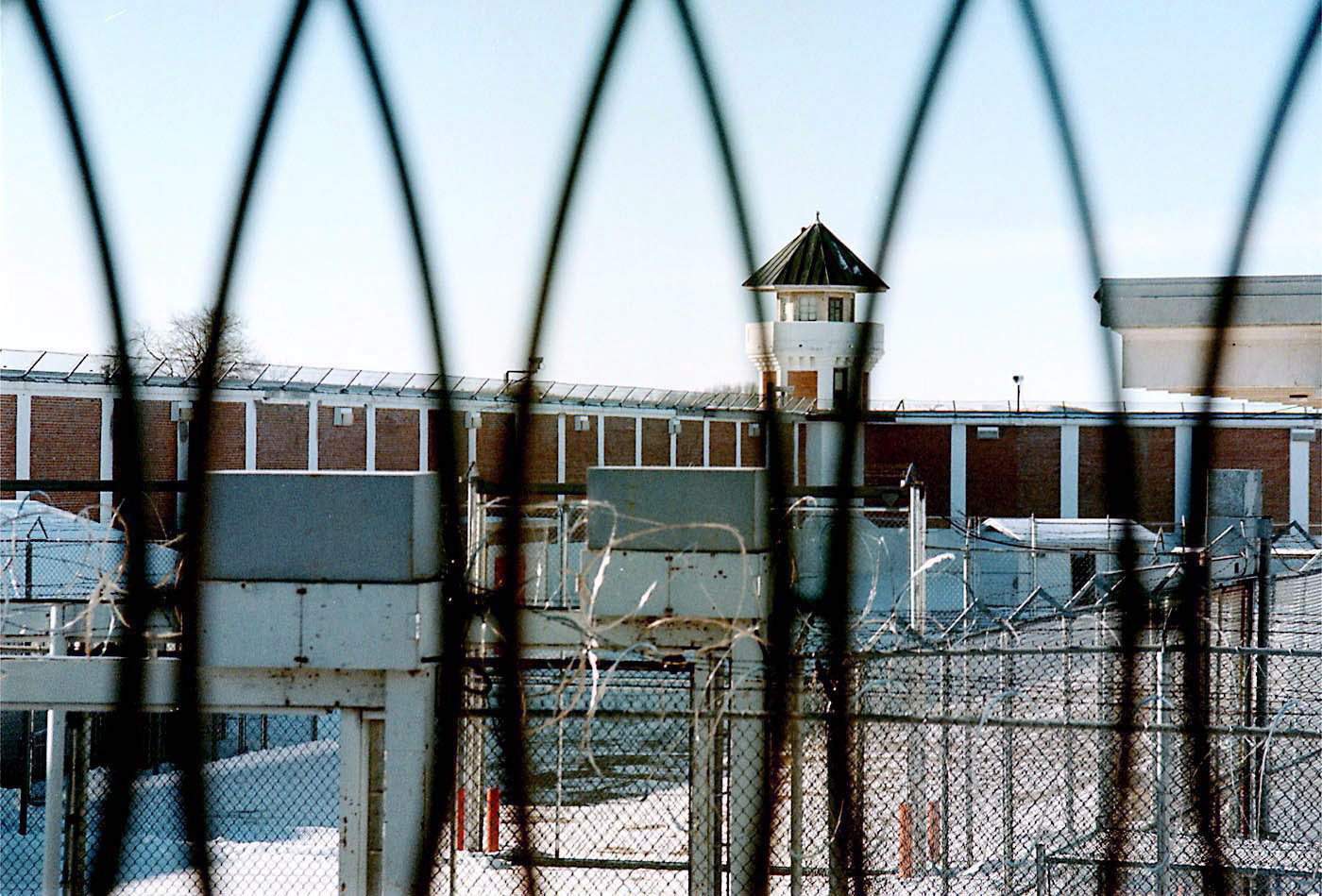
The seizure of nearly $149,000 worth of illicit goods at the Saskatchewan Penitentiary represents a standard operational intercept in federal corrections, yet it highlights a persistent economic puzzle within high-security facilities. When correctional authorities publicize figures like $148,840 for a mix of methamphetamine, cocaine, THC concentrate, tobacco, and peripheral electronics, they are tracking institutional value rather than street value. Understanding how this underground market functions requires examining the economic mechanics of supply and demand behind perimeter walls, where scarcity multiplies baseline asset value exponentially.
The Cost Function of Carceral Smuggling
In a closed micro-economy, the price of an imported commodity is a direct function of interdiction risk, supply friction, and terminal demand. Standard economic principles dictate that as barriers to entry rise, the price of the asset scales to compensate the supplier for the risk of capital loss or criminal prosecution. Inside a maximum or medium-security institution, ordinary consumer goods transform into high-margin financial instruments.
Tobacco and communication hardware operate as alternative currencies or high-yield stores of value. When a package containing a cell phone, a USB card reader, and charging components breaches the perimeter, its utility goes far beyond simple communication. It acts as an infrastructure tool for coordinating underground transactions, managing external debts, and maintaining illicit networks. The inclusion of methamphetamine and cocaine alongside THC concentrate points to a diversified portfolio of intoxicants designed to service different segments of the inmate population, ranging from stimulant-driven operational compliance to depressant-based stress mitigation.
The institutional valuation formula used by agencies like the Correctional Service of Canada typically multiplies street-level prices by a factor reflecting scarcity inside the walls. A gram of narcotics that commands a modest fee on the outside commands multiples of that price internally because the penalty for failure includes administrative segregation, extended sentences, and the total loss of the inventory.
The Mechanics of Interdiction and Friction
Interception systems rely on layered defense mechanisms meant to increase the friction of introduction. Facilities deploy ion scanners, drug-detector dogs, and physical architecture to screen visitors, staff, mail, and perimeter drop zones. Yet, every security filter creates a corresponding adaptation by contraband supply networks.
When physical visitor screening tightens, supply lines shift toward perimeter throws, postal injection, or compromised supply chains. The timeline of the Saskatchewan Penitentiary seizures—distributed across multiple distinct days—suggests an active testing of security thresholds by external couriers or coordinated networks. Interdiction data shows that contraband operations are rarely isolated incidents; they function as a continuous statistical campaign where traffickers probe for operational blind spots in staff rotations, perimeter geography, or mail-handling protocols.
The presence of digital accessories like USB card readers alongside mobile communication hardware underscores an evolution in how illicit proceeds and data are managed. Information security inside prisons is as critical to underground operators as physical product distribution. Digital storage media allow for the bulk transfer of encrypted communication, personal data, and operational blueprints without relying on real-time cellular signals that are vulnerable to signal jamming or cell-tower analysis.
Systemic Vulnerabilities in Correctional Logistics
The structural challenge facing correctional management is the asymmetry of the threat matrix. Defenders must secure every linear foot of perimeter fence, every delivery truck, and every visitor interaction point 100 percent of the time. Supply operators need only find a single point of failure during a single shift.
Operational audits of federal institutions consistently point to human factors and logistical handoffs as primary vulnerabilities. While technical screening tools like ion mobility spectrometry can detect microscopic residue of cocaine or methamphetamine on clothing or packages, they are constrained by throughput volumes and calibration limits. Similarly, detector dogs are subject to fatigue and environmental interference. When these perimeter defenses intercept a multi-item drop, it signals both a successful tactical response and an underlying structural leak that will require strategic remediation.
Mitigating these institutional supply chains requires shifting from reactive interdiction to predictive supply-chain disruption. Intelligence-led corrections demand mapping the financial trails that pay for these shipments on the outside, targeting the recruitment pipelines of compromised personnel, and isolating the internal distribution nodes that maintain artificial scarcity. Until the marginal profit of smuggling falls below the marginal cost of interdiction risk, the underground economy within federal penitentiaries will continue to adapt, price, and deliver.