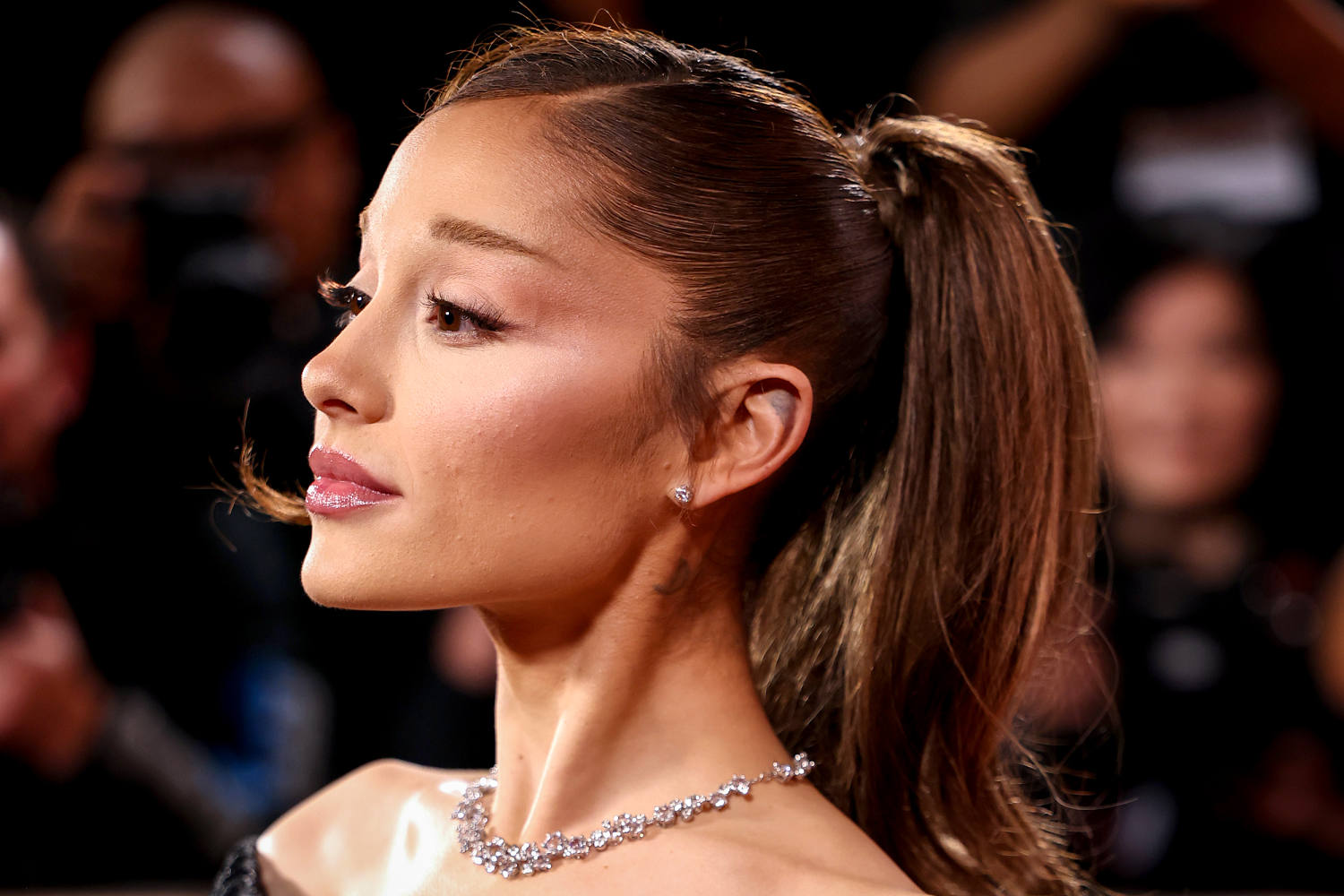
Ariana Grande just finished her 41-date Eternal Sunshine Tour with a cinematic exit in London, ascending into a literal stage spacecraft while thousands of fans screamed. Minutes earlier, she delivered an emotional farewell speech, thanking the crowds who packed arenas across North America and Europe. Then, she did something modern pop stars rarely do. She walked away. Her team confirmed an indefinite hiatus from public-facing work, halting promotional cycles and stepping down from high-profile acting commitments like the West End revival of Sunday in the Park with George.
The immediate narrative across tabloids and social media framed this as a sudden, reactive collapse triggered by online discourse regarding her physical appearance. That version of events is convenient, clean, and entirely wrong. Grande herself dismantled that timeline from the stage in Chicago weeks prior, noting that her departure was planned quietly long before it became a headline. What we are witnessing is not a hasty retreat from a single bad news cycle. It is the calculated, overdue shutdown of a machine that has run hot for nearly two decades.
When you spend your entire adult life inside an absolute fishbowl, the architecture of fame eventually starts to crush the person inside it. Grande has been famous since her mid-teens, transitioning from the Nickelodeon lot straight into the grueling machinery of a pop megastar. By the time she dropped her eighth studio album, Petal, the public conversation had entirely detached from her musicianship. Millions of armchair diagnosticians online spent months dissecting her frame, weaponizing her body shape into viral engagement bait.
This dynamic reveals a darker truth about modern celebrity consumption. The public demands total access, treating pop stars as public property whose physical forms exist to be evaluated, graded, and policed. When Grande attempted to address this toxicity during her promotional runs for Wicked, pointing out that she had been treated like a science experiment since age seventeen, the internet largely doubled down rather than reflecting on its own behavior.
Stepping back is the only rational defensive strategy left. The modern pop economy relies on a relentless loop of continuous content delivery. Albums must be instantly followed by deluxe editions, world tours must seamlessly bleed into press junkets, and every waking second must be monetized through social media touchpoints. Refusing to play that game carries a heavy financial cost. Tour revenues dry up, brand partnerships evaporate, and algorithms punish creators who dare to go dark.
Yet the psychological cost of staying visible is clearly much higher. By canceling her upcoming involvement in high-profile theater and sidestepping the promotional circuit for her film work, Grande is sacrificing short-term commercial momentum to protect her basic well-being. It is a stark reminder that the modern entertainment complex often devours its most talented contributors long before their creative peak.
The stage lights in London have gone dark, the spacecraft prop has been packed away, and the massive arenas are empty once more. For the foreseeable future, there will be no new red carpet appearances, no curated lifestyle posts, and no soundtrack for the internet to tear apart. The silence she leaves behind is deafening, and it is entirely earned.