High Stakes Behind Closed Doors
Somewhere in a secure room, world leaders weigh the fate of millions with a single signature.
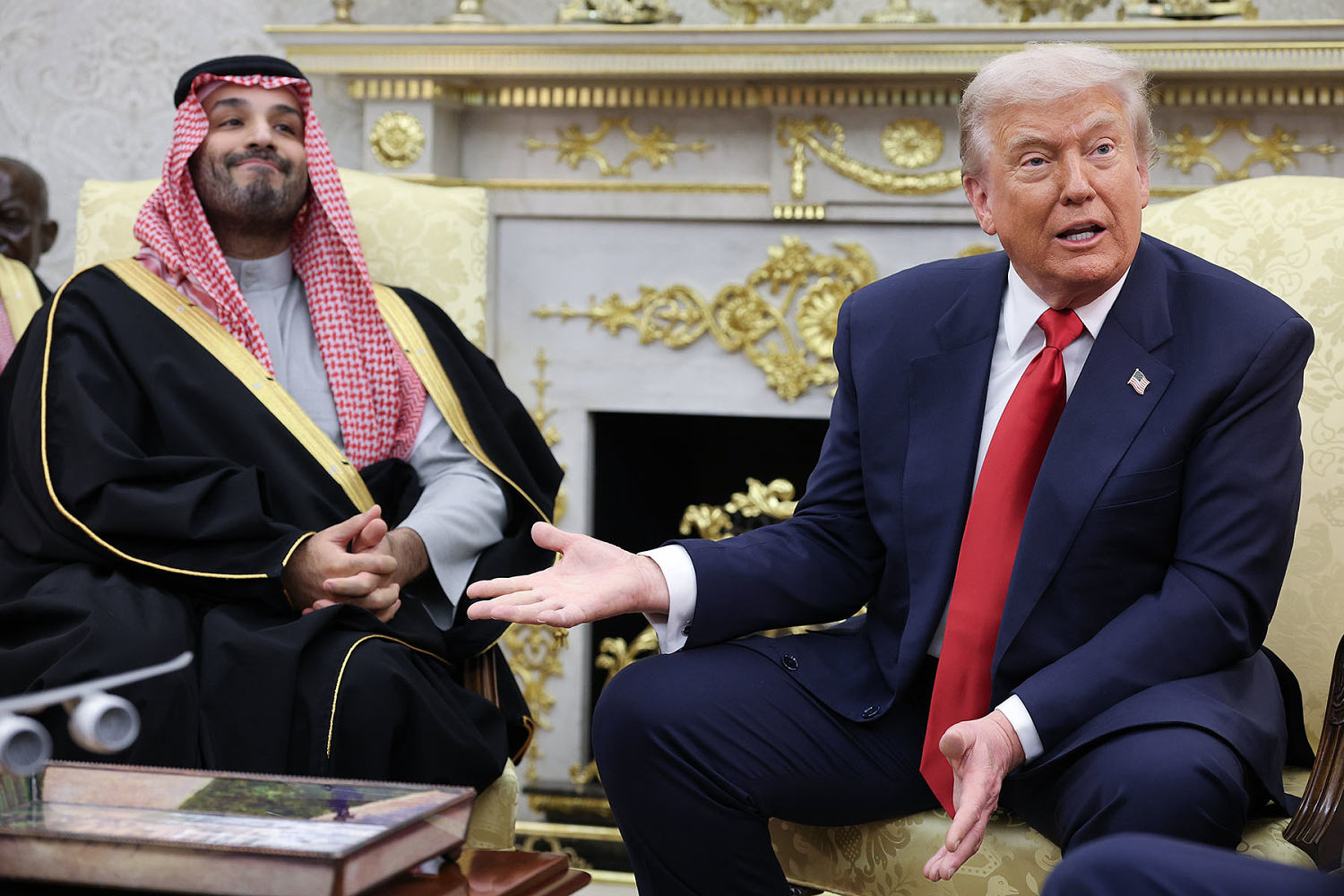
At the center of it all lies an intricate geopolitical puzzle involving three nations: the United States, Saudi Arabia, and Israel. The headline sounds cold and mechanical, a routine exchange of diplomatic bargaining chips. Yet beneath the dry policy speak sits an ultimatum that reshapes the balance of power across the Middle East. Washington’s message is stark: if Riyadh wants access to American civil nuclear technology and a firm security guarantee, it must first formalize diplomatic ties with Israel.
Power. Protection. Security. Words on paper that decide who sleeps soundly and who wakes to siren alarms.
The Weight of the Atom
Diplomacies are rarely built on trust; they are built on leverage. To understand why a nuclear deal hinges on a handshake with Israel, consider the underlying friction points.
Saudi Arabia seeks a civilian nuclear program to diversify its energy supply, alongside a defense treaty that cements U.S. military backing. It is a quest for long-term survival in a volatile region. But nuclear energy, even when intended for peaceful electricity generation, carries inherent risks. Enrichment technology used for power plants can, with enough ambition and time, be pivoted toward weapons-grade materials.
For Israel, a neighbor watching closely, a nuclear-capable state next door represents an existential threshold. Jerusalem has long maintained a strict posture against nuclear proliferation in its backyard.
Washington finds itself balancing on a knife's edge. Granting Saudi Arabia full nuclear access without structural safeguards risks sparking a regional arms race. Withholding it entirely, however, risks pushing Riyadh closer to competing global powers like Beijing or Moscow.
The solution cooked up in diplomatic circles? A grand bargain.
The Terms of the Trade
Normalizing relations between Saudi Arabia and Israel is not a small ask; it is a monumental shift. For decades, official diplomatic ties were non-existent, shaped by the historical weight of the Arab-Israeli conflict and the unresolved quest for Palestinian statehood.
By demanding normalization as a prerequisite for the nuclear deal, U.S. lawmakers aim to achieve three distinct goals simultaneously:
- Anchor Regional Stability: Formalizing ties between the largest Gulf economy and Israel creates a strong, unified economic and security axis.
- Enforce Nuclear Transparency: Tying nuclear assistance to a broader peace framework allows international monitors stricter oversight, mitigating proliferation fears.
- Secure Western Alignment: A comprehensive tripartite agreement locks in American alliance networks, ensuring Washington remains the primary power broker in Gulf security.
It is a high-wire act where every move is calculated, and every concession comes with a heavy political cost.
What Lies Ahead
Negotiations of this scale do not move quickly. They stall. They hit roadblocks over security guarantees, uranium enrichment rights, and commitments regarding Palestinian self-determination.
Political domestic pressure in all three capitals adds further friction. Leaders must convince their own public that compromising on long-held stances is worth the quiet that a deal might bring. A single tactical misstep or sudden flare-up in regional violence can erase months of delicate dialogue in an instant.
The diplomacy continues in hushed corridors, far away from the public eye. Millions of lives depend on whether those in power choose the uncertain path of compromise or the familiar weight of perpetual tension.
The pen hovers over the paper, waiting for someone to yield.