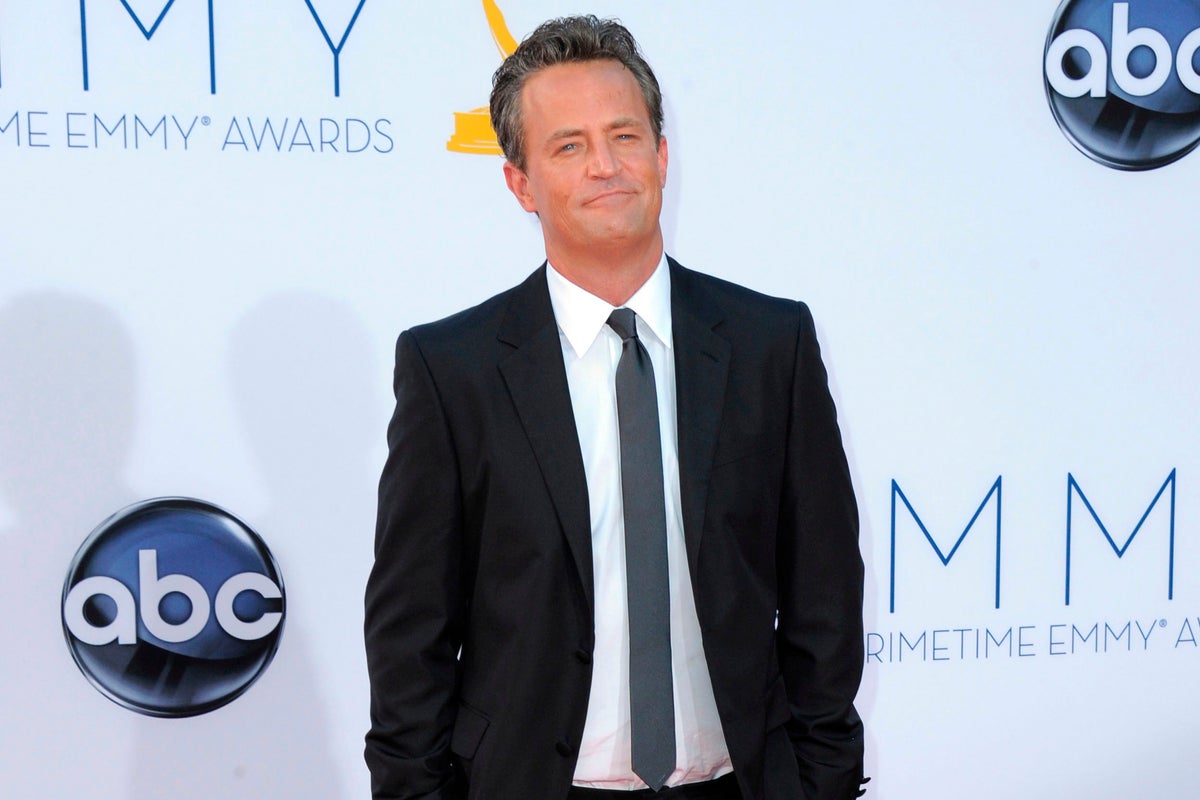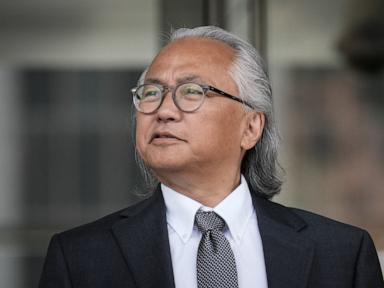
The federal prosecution into the death of Matthew Perry has officially concluded, establishing a chilling precedent for the ecosystem surrounding wealthy addicts. Kenneth Iwamasa, Perry’s longtime live-in personal assistant, received a sentence of three years and five months in federal prison for his role in injecting the actor with the fatal doses of ketamine that ended his life in October 2023. Iwamasa’s sentencing marks the final chapter for a five-member illicit supply chain that systematically exploited the Friends star’s relapse, pulling back the curtain on Hollywood’s dark economy of proximity.
While public outrage often targets street-level dealers or corrupt physicians, the tragic mechanics of Perry’s death spotlight a more intimate betrayal. The individuals convicted alongside Iwamasa include street dealer Jasveen "The Ketamine Queen" Sangha (sentenced to 15 years), middleman Erik Fleming (two years), Dr. Salvador Plasencia (two and a half years), and Dr. Mark Chavez (eight months of home confinement). Collectively, their text messages and financial transactions map out a cynical network where a famous man's vulnerability was treated as a business liquidating event.
The Architecture of Exploitation
To understand how a beloved cultural icon ended up face down in a Pacific Palisades hot tub, one must look past the chemicals and examine the mechanics of the Hollywood entourage. Wealthy addicts rarely buy drugs on street corners; they operate within insulated bubbles where boundaries blur between employment, friendship, and survival.
Iwamasa was paid $150,000 a year to protect Perry and help maintain his hard-fought sobriety. Instead, he transitioned into the actor's chief medical proxy and drug courier without a shred of formal medical training. According to federal court filings, Dr. Salvador Plasencia met with Iwamasa and physically taught him how to administer syringes, despite knowing Perry was deep in the throes of severe addiction.
The defense attempted to frame Iwamasa as an uneducated subordinate trapped by a steep power dynamic, unable to refuse the demands of a powerful celebrity employer. The presiding federal judge flatly rejected this premise. "Unwilling. Not unable. He could have said no," noted U.S. District Judge Sherilyn Peace Garnett during the sentencing hearing.
The financial exploitation was naked and rapid. In the weeks leading up to the fatal overdose, the network charged Perry upward of $55,000 for vials of ketamine that cost the participating doctors mere fractions of that amount wholesale. Text messages recovered by the DEA revealed Dr. Plasencia writing to Dr. Chavez, openly speculating: "I wonder how much this idiot will pay."
The Syndicate of Convenience
The five individuals convicted did not operate a sophisticated cartel; they operated a pop-up enterprise fueled by mutual opportunism. Each played a specialized role that kept Perry isolated from genuine medical care.
| Defendant | Role in Supply Chain | Final Sentence |
|---|---|---|
| Jasveen "Ketamine Queen" Sangha | Primary illicit distributor; supplied the fatal batch. | 15 years in federal prison |
| Kenneth Iwamasa | Personal assistant; procured and injected the drug. | 3 years, 5 months in federal prison |
| Dr. Salvador Plasencia | Corrupt physician; sourced ketamine and trained Iwamasa. | 2.5 years in federal prison |
| Erik Fleming | Middleman; brokered deals between Iwamasa and Sangha. | 2 years in federal prison |
| Dr. Mark Chavez | Sourced ketamine via fraudulent wholesale channels. | 8 months of home confinement |
The timeline reveals that when Perry’s legitimate, off-label ketamine treatments for depression were capped by his ethical physicians, he sought out alternative pipelines. This is where the secondary market stepped in. Dr. Chavez used fraudulent prescriptions to acquire the anesthetic, handing it off to Plasencia, who marked up the price exponentially for Perry. When that supply line became strained, Erik Fleming bridged the gap to the street market, connecting Iwamasa directly to Sangha’s North Hollywood stash house.
The Illusion of Finality
The sentences handed down in Los Angeles offer a tidy legal resolution, but they leave the broader cultural infrastructure untouched. For decades, the entertainment industry has treated the live-in assistant as a hybrid role: part confidant, part servant, part emotional sponge. When addiction enters the equation, these workers are frequently tasked with managing crises that require psychiatric intervention, not administrative scheduling.
Statements from Perry’s family during the final hearings painted a devastating portrait of Iwamasa's post-death behavior. Rather than immediate confession, court records show Iwamasa spent his initial hours cleaning the death scene, discarding syringes, and deleting digital evidence before investigators could arrive. In letters to the court, Perry’s mother, Suzanne Morrison, expressed horror that Iwamasa later insisted on speaking at the actor's funeral, masquerading as a grieving protector while secretly negotiating for a financial payout from the estate.
This case permanently shifts the legal landscape for celebrity enablers. Historically, the internal staff of high-profile addicts faced professional exile or public shame when their employers overdosed, but rarely did they face handcuffs and multi-year federal prison terms. The Department of Justice has signaled that proximity no longer grants immunity; if you act as an unlicensed medical proxy to sustain an addiction, you will be treated as a co-conspirator to manslaughter.
The true tragedy lies in the systemic silence that allowed the enterprise to thrive for weeks. The texts, the cash drops in luxury vehicles, and the physical spikes in Perry’s blood pressure were all visible indicators of a looming catastrophe. Yet the money was too consistent, and the access too valuable, for anyone in the chain to pull the emergency brake.
Matthew Perry former assistant sentenced for involvement in actor's death, according to provides an on-the-scene legal breakdown and broadcast coverage detailing the emotional testimonies delivered by Perry's family during the final sentencing hearing in Los Angeles.