The stadium air always tasted of burnt peanuts and damp wool. Underneath the roar of eighty thousand throats, the world felt solid. Immovable. Until it wasn't.
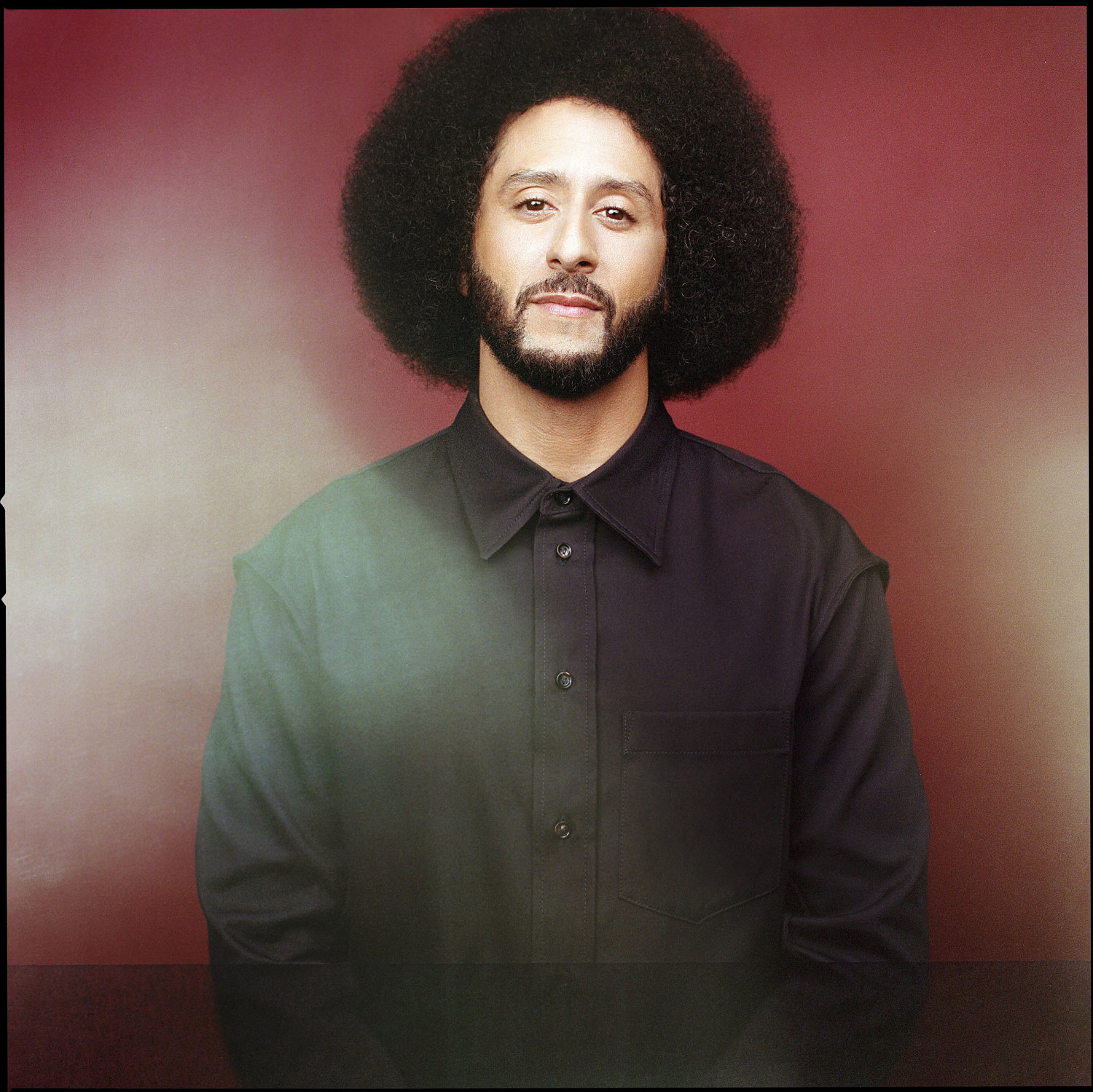
Colin Kaepernick dropped to one knee in August 2016, and the ground cracked.
It looked simple from the cheap seats. A quarterback, resting his right knee against the manicured turf while national anthems echoed through copper horns. But that single movement was an earthquake. It displaced decades of unexamined comfort. It forced a nation to look at its own reflection and recoil from the fracture lines.
And then, the silence came.
Not the silence of peace, but the cold, clinical silence of erasure. Teams stopped calling. Playbooks were closed. Phones stayed dark. The NFL, an enterprise that digests human bodies for billions of dollars in Sunday afternoon revenue, decided that conscience was a liability.
We were told it was about football. We were fed the comforting fiction that a Super Bowl quarterback had suddenly forgotten how to read a blitz. We swallowed statistics about completion percentages and arm strength, desperate for a technical explanation for a moral exile.
Consider what happens next in any ordinary tragedy. The hero falls. The crowd gasps. The curtain drops. We go home to our dinner tables and leave the ghost in the wings.
Except Kaepernick refused to stay backstage.
What the headlines miss—what the dry, standard recaps of his career fail to capture—is that his unfinished business was never truly about returning to a pocket pass rush. That was the visible goal, the shiny object dangling for the cameras. The deeper work happened away from the grass, in the quiet grit of grassroots organizing, in publishing houses, in film studios, and in the minds of a generation who learned that patriotism could look like dissent.
I remember watching that unfold from a living room where arguments about sports usually began and ended with draft picks. My uncle slammed his coffee mug down, the ceramic cracking against the laminate. He wasn't mad about the flag. He was mad because the television was asking him to care about something larger than the game. Sports were supposed to be our anesthetics. They were supposed to numb the ache of Monday mornings, inflation, and broken promises. Kaepernick pulled the needle out of our collective arm.
That is why people were furious. Not because he broke the rules, but because he broke the spell.
Fast forward through the years of exile. The brand partnerships arrived. Nike swooshes plastered across billboards, framing his face in stark monochrome with captions about sacrifice. Critics called it hypocrisy. They pointed to corporate bank accounts and muttered about commodified rebellion.
They misunderstood the machinery of modern survival.
If you are locked out of the stadium, you build your own arena. Kaepernick didn't just wait for a general manager to grow a conscience. He launched Raverie, a publishing company. He created Autonomy, a venture fund designed to back Black and Brown founders who couldn't get a meeting on Silicon Hill. He funded autopsies for families who suspected police misconduct, stepping into the dark, bureaucratic trenches where justice actually dies.
This is what unfinished business looks like. It is unglamorous. It smells of copier ink, legal briefs, and stale meeting rooms. It does not come with a halftime show.
To understand why he still trains every single morning at dawn—running routes, throwing deep balls to empty air, keeping his body ready for a phone call that everyone knows will never come—you have to understand stubborn hope.
It is a strange kind of grief, holding a skill set the world pretends it no longer needs. Imagine mastering an instrument, practicing the concerto until your fingers bleed, only to have the orchestra lock the doors and throw away the key. You still play in your bedroom. Not because anyone is listening, but because if you stop playing, you stop being who you are.
The NFL eventually folded, at least cosmetically. They painted "End Racism" in the end zones. They invited hip-hop artists to the Super Bowl halftime show. They adopted the vocabulary of the protest while keeping the protester behind glass.
An apology without a name. A reckoning without a cost.
That corporate pivot is perhaps the most revealing chapter of all. It proves that the argument was never about whether the protest was valid. The validation came when the league tried to copy it, strip it of its danger, and sell it back to us as branded merchandise.
Yet, the original remains outside the gates.
Kaepernick’s legacy is no longer tied to a jersey number or a franchise's win-loss record. Those metrics belong to yesterday. His true footprint is measured in the young athletes who now look at their own platforms not as golden cages of compliance, but as megaphones. When WNBA players walk out in shirts demanding justice, when high school soccer teams take a knee in small-town dust bowls, they are standing on the bridge he burned down.
The stadium lights are off now. The janitors are sweeping popcorn bags from the concrete steps.
Out on a private field somewhere in California, a man catches his breath, winds up his arm, and throws a spiral into the dark.