The sea does not care about borders. It does not care about flags, or politics, or the desperate letters waiting in mailboxes thousands of miles away. To the water, a hull is just a temporary disruption.
For the families of Indian merchant sailors, the ocean has always been a provider, a harsh landlord, and occasionally, a thief. But nothing prepares a family for the phone call that comes not from a storm, but from a missile strike.
When news broke that Indian sailors had been killed in a devastating attack in the Red Sea, the reaction from global capitals followed a familiar, clinical script. Condolences were offered. Political statements were drafted. A prominent US Republican lawmaker stepped in front of the microphones to call the incident "very, very unfortunate."
Unfortunate. It is a sterile word. It is a word used when you drop a coffee mug or miss a train. It is entirely inadequate when applied to the violent end of young men working the engine rooms and decks of the world’s cargo ships. Behind the diplomatic language lies a harrowing reality about the invisible backbone of global trade and the human collateral we have agreed to ignore.
The Men in the Steel Boxes
Consider a young man from a small town in Kerala or Punjab. Let us call him Aarav. He is twenty-four. His hands are calloused from gripping steel railings, and his skin smells permanently of marine diesel and salt. He took this job because the ocean promised a life his landlocked town could not afford. His salary pays for his sister’s education; it buys the medicine that keeps his grandmother alive.
Aarav does not care about regional hegemonies. He does not follow the shifting alliances of Middle Eastern geopolitics or the strategic maneuvers of Western naval task forces. His world is measured in knots, RPMs, and the remaining hours of his shift.
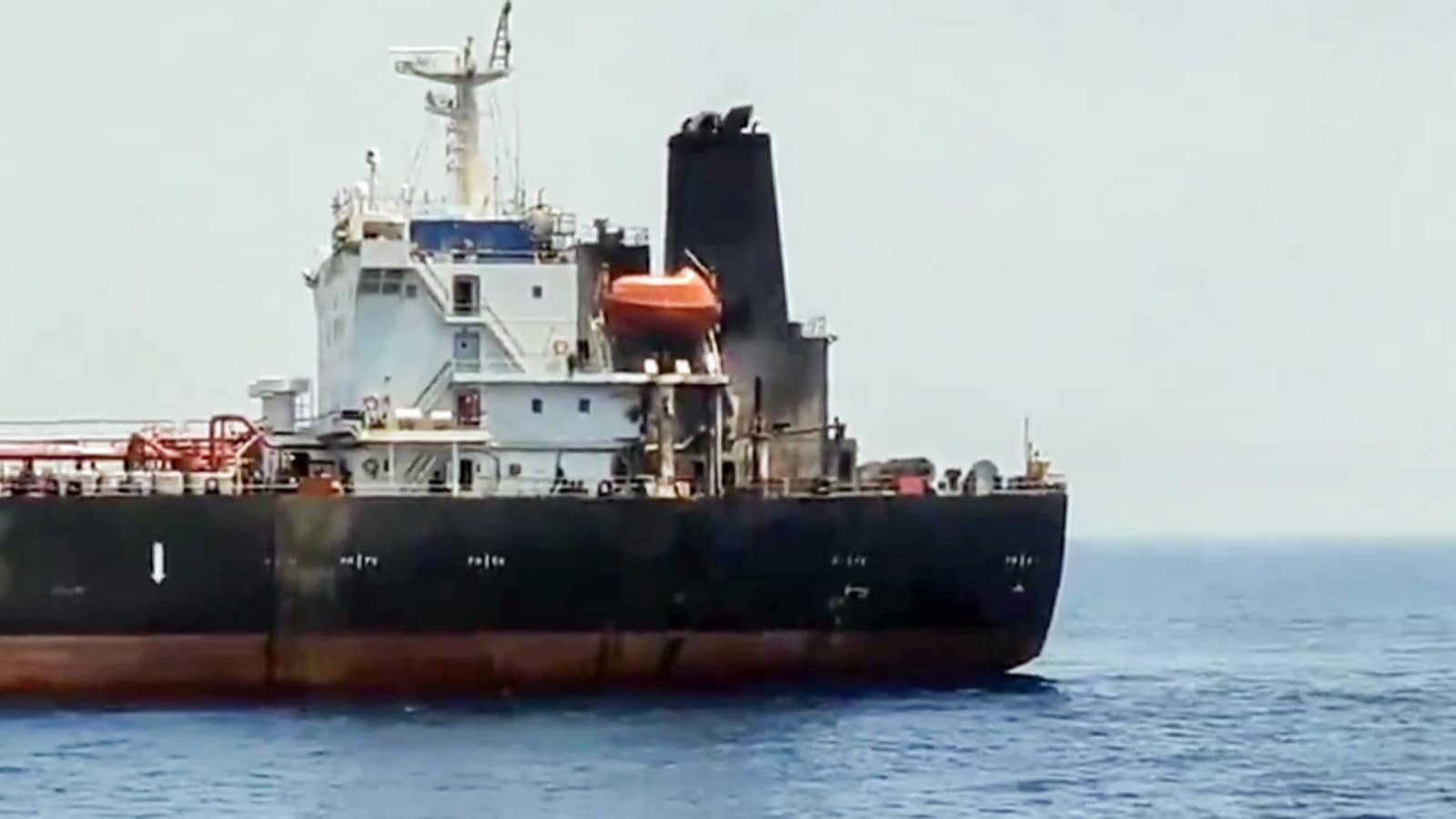
When a drone or a missile tears through the superstructure of a commercial freighter, there is no heroic standoff. There is only a sudden, deafening roar, the screech of tearing metal, and the immediate, terrifying rush of fire and smoke in an enclosed space. In those final seconds, the grand geopolitical chess board collapses into a desperate, lonely struggle for breath.
This is the human element that gets scrubbed away by the time the news reaches Washington or New Delhi. The casualties are reduced to numbers on a ticker tape, framed by politicians who view the shipping lanes merely as lines on a map.
The Choke Points of Comfort
Every time we order a product online, buy fresh fruit in the dead of winter, or fill our cars with fuel, we are participating in a system maintained by people we will never meet. Over eighty percent of global trade moves by water. The Red Sea, connecting the Indian Ocean to the Mediterranean via the Suez Canal, is one of the planet's vital arteries.
When that artery constricts, the world notices. But it notices the wrong things.
Monitors flash red in trading rooms across London and New York. Shipping insurance rates skyrocket. Freight companies recalculate their routes, choosing to send massive vessels all the way around the Cape of Good Hope, adding weeks to journeys and millions to budgets. The discussion immediately pivots to supply chain resilience, inflation metrics, and economic forecasts.
But the real problem lies elsewhere. The economic cost is adjustable; corporations can pass the price of rerouting down to the consumer. The human cost is absolute.
Sailors cannot pass the risk down. They cannot choose to steer the ship away from danger when their contract demands they deliver the cargo. They become sitting ducks in a conflict they did not start, caught between the commercial demands of global corporations and the lethal ambitions of regional militants.
The Language of Disconnect
Listen closely to the rhetoric surrounding these maritime tragedies. The terminology is deliberately detached. Phrases like "collateral damage," "kinetic incidents," and "unfortunate disruptions" dominate the discourse.
When a US lawmaker labels the death of these sailors as "very, very unfortunate," it reveals a profound disconnect. It positions the tragedy as an act of God, a freak accident of nature, rather than the predictable consequence of targeted violence in an escalating conflict zone. It implies a sense of helplessness that is entirely manufactured.
The truth is uglier. The international community has long relied on the cheap, disposable labor of seafaring nations—primarily India, the Philippines, and China—to keep the gears of global capitalism turning without providing them with the security they deserve. We want our goods cheap and fast, but we are reluctant to acknowledge the vulnerability of the human beings pulling those goods through the gauntlet.
The View from the Shore
Now consider what happens next, far away from the halls of Congress or the naval command centers.
In a quiet living room in India, a phone rings. The voice on the other end is strained, polite, and devastatingly brief. There will be no flag-draped coffins paraded through the streets with military honors. There will be no state funerals. There will only be an empty chair at the dinner table and a lifetime of wondering why a boy who went to sea to carry commercial goods never came home.
The grief of these families is quiet, isolated, and politically inconvenient. It does not fit neatly into the narrative of national defense or strategic deterrence. It is the cost of doing business, paid in full by those who can least afford it.
We have grown accustomed to a world where distance insulates us from the consequences of our consumption. We watch the news of explosions on the high seas with a detached curiosity, perhaps worrying for a brief moment if our holiday packages will be delayed.
But those ships are not automated drones. They are floating communities. They are manned by sons, husbands, and fathers who are navigating a minefield so that the rest of the world can live in uninterrupted comfort.
The next time a headline announces a strike on a merchant vessel, look past the financial statistics. Look past the sterile statements from politicians offering their practiced condolences. Remember the men in the engine rooms, deep below the waterline, listening to the thrum of the propeller, hoping against hope that the ocean will let them pass one more time.
The water remains indifferent. We should not be.


