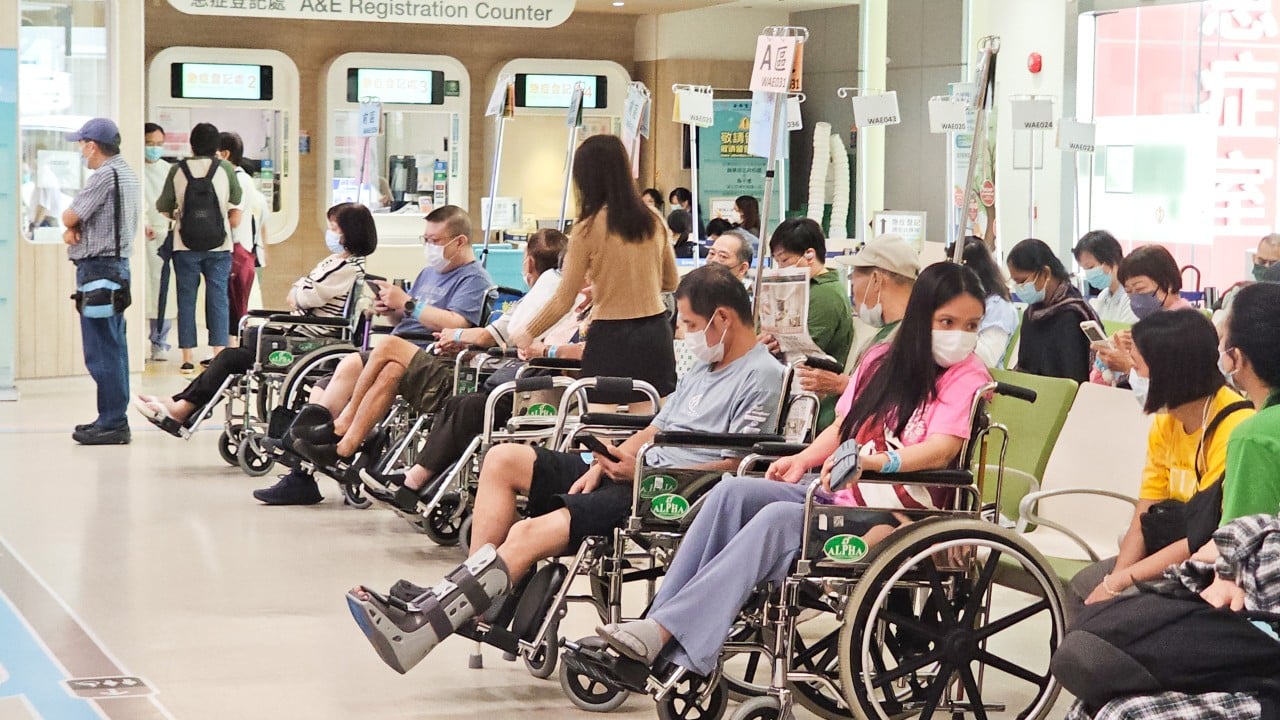
Illness arrives without an appointment. It slips through the latch of a quiet apartment door at three in the morning, sits heavily on the edge of a mattress, and makes itself at home in the chest of someone who thought they had budgeted carefully enough to avoid catastrophe.
For decades, public clinics have been the final, battered harbor for those who navigate life on the razor's edge of financial survival. In places like Hong Kong, where the rhythm of the city pulses too fast for the weary, public healthcare acts as an invisible floorboards beneath millions of feet. Yet, that floor has creaked under immense weight. Emergency rooms choke with the tide of everyday ailments, while chronic sufferers wait months just to hear a doctor say what they already know. If you liked this piece, you should check out: this related article.
Then came the structural shift. A total overhaul of public healthcare fees and charges began on January 1, designed with a cold, administrative logic: raise the costs for non-urgent and minor services to redirect resources where they are genuinely vital. On paper, it sounds like bureaucratic restructuring. To an elderly retired cleaner living in a subdivided flat, it sounded like an eviction notice from wellness.
Consider Uncle Chan. He is hypothetical in name, but his hands—calloused, trembling slightly from fifty years of holding tools—belong to thousands. When the new fee schedules dropped, hiking prices for less urgent medical services, Chan stared at the notice with a knot in his throat. Every clinic visit now carried a steeper price tag. The math of survival shifted. Do I buy medication or pay the rent? For another look on this development, refer to the recent update from CDC.
This is the moment where policies either fracture a community or weave a stronger safety net. The system knew the danger of leaving people behind in the name of fiscal efficiency. To counter the sting of rising charges, authorities expanded the safety mechanism: the full fee waiver.
The numbers tell a staggering story of transformation. Before the new regime took root, full fee waivers sat at a modest 14,000. They were difficult to secure, wrapped in red tape, and often missed by those who needed them most. But as the recent healthcare reform altered the landscape, something extraordinary happened. That number did not just creep upward. It exploded.
Full fee waivers climbed twenty-fold, reaching 280,000.
Twenty times the protection for the most vulnerable. Think about what that means for a human life. It means Uncle Chan walks into the clinic, bracing himself for a bill he cannot afford, only to be told that the system has caught him. The waiver clears the slate. The prescription is handed over without a silent prayer of financial ruin.
Health officials have stoutly defended the higher pricing tiers for less urgent care, arguing that public funds must be fiercely guarded and directed toward acute emergencies and those who truly cannot pay. Critics barked that the hikes were punitive. But the data reveals a dual reality: a tightening of casual usage coupled with an unprecedented protective umbrella for the destitute.
The reform acts as a sorting mechanism, albeit a harsh one. It forces those with means to pay their share while throwing wide the gates for the impoverished. Moving from 14,000 waivers to 280,000 is not a mere statistical adjustment. It represents a massive pivot in institutional empathy, acknowledging that a civilized society cannot price its weakest citizens out of existence.
We are left watching a delicate balancing act. Healthcare reform is never painless. It trades one set of frictions for another, testing the patience of the public and the agility of administrators. Yet, behind the press conferences and the dry ministerial announcements lie hundreds of thousands of quiet sighs of relief.
The ledger balances, not just in government spreadsheets, but in the steady, uninterrupted heartbeat of a city that decided, at the very last second, not to let its people fall.