Structural Vulnerability and Household Debt
The rapid proliferation of digital wagering platforms across emerging economies creates a direct collision between digital financial inclusion and consumer insolvency. In Brazil, the mass adoption of online betting applications transformed mobile devices into high-frequency financial conduits. By the close of 2025, regulated and offshore platforms processed transaction volumes exceeding two hundred billion reais. This liquidity influx occurred against a backdrop of stagnant median household incomes and expanding consumer credit utilization.
When digital transactions frictionlessly interface with gamified dopamine loops, household balance sheets deteriorate rapidly. Lower-income brackets, targeted by aggressive digital marketing and influencer partnerships, diverted essential expenditure toward speculative platforms. The structural outcome was an acute rise in household debt defaults. Traditional credit instruments, designed for durable goods acquisition or emergency liquidity, found themselves competing with instant-settlement crash games and real-time sports betting. You might also find this similar coverage useful: The Volcanic Supply Chain Disruption Anatomy of an Etna Eruption Crisis.
The state response under President Luiz Inácio Lula da Silva bypassed standard regulatory graduated tightening. Instead, the administration deployed a provisional measure, designated as MP 1,394, enacting an immediate suspension of operational authorizations, advertising, and financial processing for online betting and fixed-odds wagering. Characterizing the sector with stark medical terminology as a cancer on working-class stability, the executive branch discarded incremental compliance models in favor of an outright prohibition.
The Timing Mechanism and Electoral Calculus
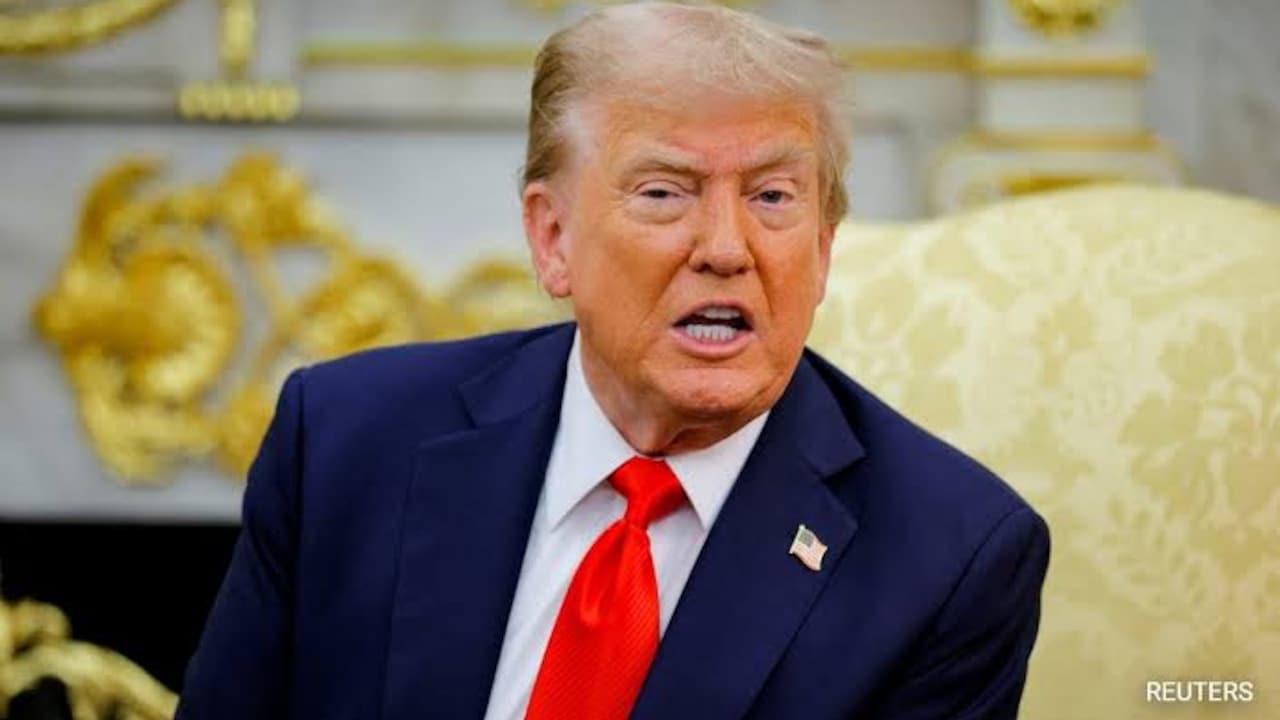
Public policy interventions enacted during compressed electoral timelines invite rigorous institutional scrutiny. The timing of the federal decree—published days before a high-stakes presidential runoff against the conservative opposition led by the Bolsonaro family—illuminates the dual-purpose nature of the intervention. Statecraft and electoral positioning intersect when policy instruments yield immediate populist dividends. As highlighted in detailed coverage by Reuters, the effects are significant.
Political analysts evaluating the decree must separate stated public health objectives from tactical electoral mechanics. On one side, the administration pointed to mounting default rates and public welfare preservation. On the other, opposition actors decried the measure as a populist maneuver designed to capture economically distressed voters and energize working-class constituencies. This dual utility complicates institutional durability. When executive decrees serve immediate political survival while disrupting multi-billion-dollar commercial ecosystems, legal challenges multiply instantly.
The mechanics of the prohibition relied on banking sector compliance. By ordering domestic financial institutions to sever transaction channels, freeze operational accounts, and execute forced consumer balance refunds, the government weaponized payment infrastructure against digital operators. This approach bypassed traditional legislative delays, freezing the market within a window of days. However, immediate administrative blockades clash directly with established congressional frameworks and state-level lottery authorizations, triggering a multi-front jurisdictional conflict.
Regulatory Fragmentation and Judicial Arbitrage
The governance of wagering in South America's largest economy has long suffered from jurisdictional friction between federal oversight and state-level prerogatives. Prior to the executive shutdown, the Secretariat of Prizes and Bets operated under the Ministry of Finance to establish a formal licensing regime, imposing tax structures and compliance standards. This institutional architecture aimed to capture fiscal revenue while filtering out bad actors through capital requirements and technical qualifications.
The abrupt pivot to prohibition dismantled this framework overnight, creating severe regulatory whiplash. Licensed operators who spent millions complying with federal mandates faced immediate asset freezes and license invalidation. Meanwhile, state-level lotteries, operating under distinct constitutional interpretations, complicated the federal monopoly on prohibition enforcement.
This environment fosters regulatory arbitrage. When a centralized federal authority bans an entrenched digital market, consumer demand does not evaporate; it undergoes structural displacement. Prohibitive measures without cross-border enforcement mechanisms typically drive participants toward unregulated, offshore black markets where consumer protections, anti-money laundering controls, and tax collection mechanisms vanish entirely. The economic cost of this displacement includes lost tax revenues that previously funded public security, sports development, and education initiatives.
Fiscal Dependencies and Corporate Sponsorship Dependencies
The financial entanglement between commercial sports and digital wagering created an asymmetrical vulnerability across Brazilian institutions. Professional football clubs, broadcasting networks, and athletic infrastructure relied heavily on betting operator sponsorships for operational revenue. The sudden prohibition severed these revenue streams instantly, exposing clubs to liquidity shocks.
From a macroeconomic perspective, the federal treasury absorbed a direct contraction in fiscal receipts. The projected billions in annual tax revenues from authorized gaming operators disappeared from budget calculations, forcing economic planners to identify alternative revenue sources or adjust public expenditure projections. Desenrola-style debt relief programs introduced alongside the ban attempted to offset working-class financial strain by transferring consumer debt burdens to state-backed mechanisms, yet these interventions carry their own fiscal weight.
The corporate ecosystem built around digital entertainment must now re-engineer its business models. Companies that diversified revenue streams through media rights and tech partnerships survived the transition more effectively than pure-play operators dependent solely on Brazilian transactional volume. The structural lesson for market participants is the hazard of building commercial models on regulatory foundations subject to sudden executive revocation.
The Legislative Stalemate and Post-Election Horizon
With the electoral cycle concluded and the incumbent administration securing its mandate, the battleground shifted from executive decrees to legislative committees and supreme court deliberations. Provisional measures require congressional ratification within strict constitutional timeframes. Lawmakers facing competing bills—ranging from outright repeal of betting laws to nuanced compromises that permit sports betting while betting online casino games are restricted—hold the ultimate legislative cards.
The Joint Committee tasked with reviewing the provisional measure faces intense lobbying from both industrial trade bodies and public health advocates. Industry associations argue that criminalizing a formalized market destroys thousands of formal jobs and legal protections, while proponents of the ban maintain that social stability supersedes corporate tax yield.
Judicial intervention by the Supreme Federal Court adds another layer of complexity. The constitutional validity of executive overreach in commercial sectors sets a critical precedent for property rights and regulatory predictability in Latin America's largest market. If the judiciary strikes down the provisional measure, operators will face the challenge of re-entering a market marked by profound consumer distrust and heightened regulatory scrutiny.
Policy planners must evaluate whether prohibition achieves sustainable behavioral modification or merely pushes hazardous activity into opaque digital shadows. True market reform requires balancing consumer protection frameworks with economic pragmatism, ensuring that regulatory oversight corrects market failures without triggering systemic institutional instability.