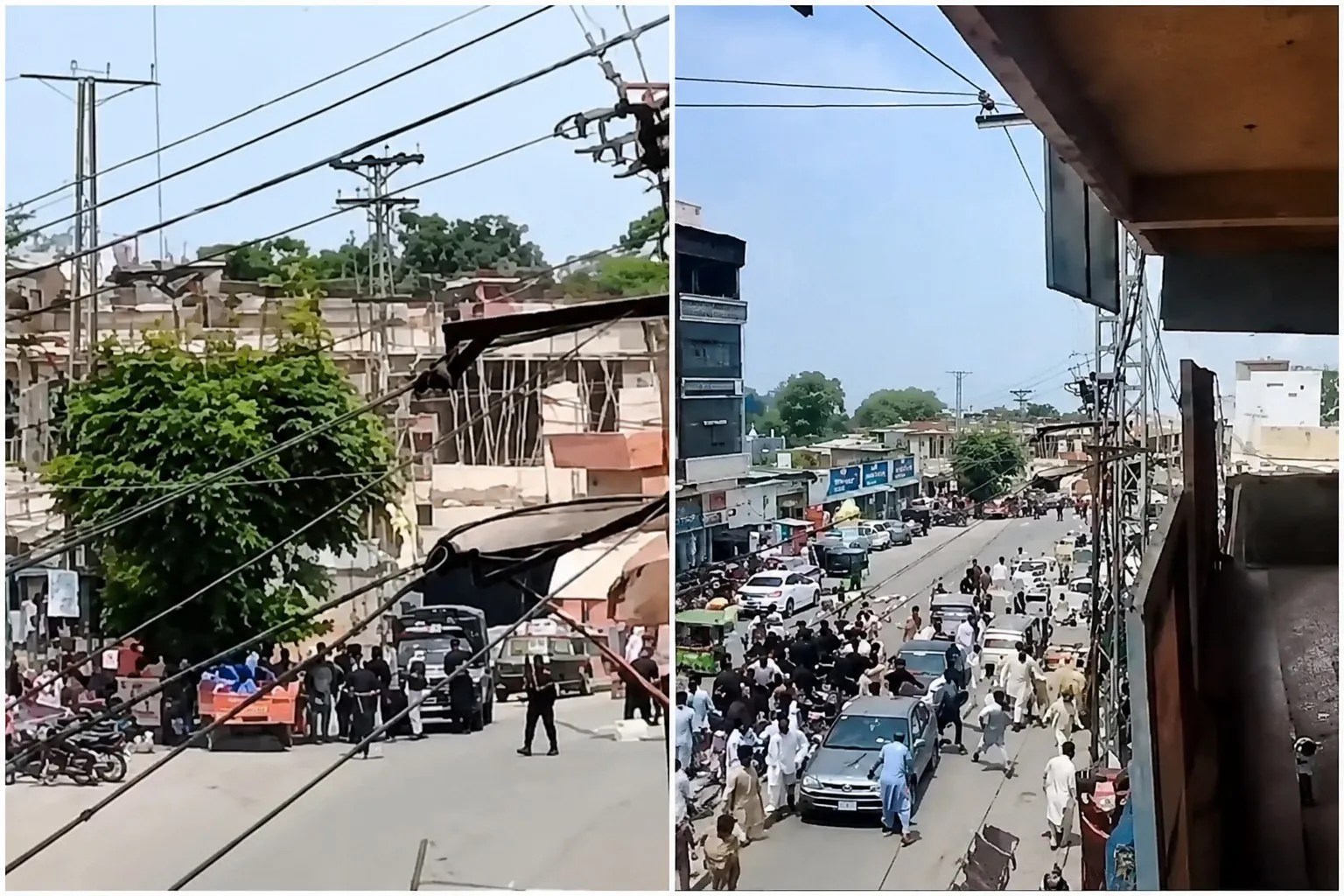
Things are boiling over in Pakistan-administered Kashmir, and the government in Islamabad is completely out of its depth. If you've been watching the headlines, you know this isn't just another routine protest. It’s an explosion of public anger that’s caught the establishment flat-footed.
The Reality Behind the Unrest in PoK
For years, the narrative coming out of Islamabad tried to paint a picture of quiet compliance. That picture is shattered. People aren't just annoyed; they're furious. Skyrocketing inflation, unbearable power tariffs, and endless shortages of basic subsidized wheat pushed ordinary citizens to the absolute edge.
When you make it impossible for families to put food on the table or keep the lights on, people stop caring about the usual political threats. They take to the streets. And that's exactly what happened across Muzaffarabad, Mirpur, and Rawalakot.
Why Islamabad is Sweating
The response from the Pakistani government exposed a deep panic. You don't deploy massive paramilitary forces and shut down cellular networks unless you're terrified. Reports of dozens of civilian casualties following clashes with security forces only poured fuel on an already raging fire.
Islamabad is trapped in an impossible math problem. The International Monetary Fund demands strict austerity measures, forcing the state to slash subsidies and hike utility prices. But when those policies hit populations in disputed regions already feeling economically abandoned, the streets erupt.
The Shehbaz Sharif administration tried its usual playbook of force mixed with empty promises of relief packages. It didn't work. The public isn't buying temporary fixes anymore. They see a ruling elite living in luxury while ordinary citizens bleed from economic mismanagement.
The Long-Term Fallout
This crisis exposes structural rot that goes far beyond current economic metrics. Decades of systemic neglect turned the region into a pressure cooker. When governance fails this completely, authority collapses from the top down.
Security analysts who study the region closely point out a dangerous shift. Protesters aren't just targeting local municipal offices anymore; they are directly challenging the legitimacy of the entire political setup dictated from the capital.
Pakistan's establishment relies heavily on projecting stability. When that illusion cracks in sensitive border regions, the shockwaves travel straight to the core of military and political planning.
What Comes Next for the Region
The situation remains volatile. Security forces have pulled back from some friction points, but the underlying grievances are completely unresolved. You can't shoot your way out of a hunger crisis.
Expect deeper political instability in the coming months. Opposition factions are moving quickly to capitalize on the anger, turning economic grievances into an existential challenge for the ruling coalition. Islamabad thought it could manage the fallout through curfews and communication blackouts. Instead, they've proven that they've completely lost the room.