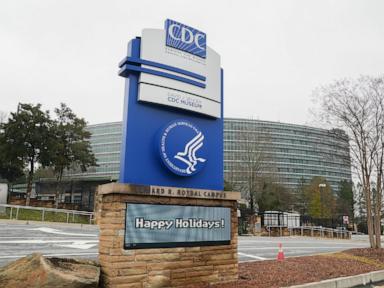
The Centers for Disease Control and Prevention is actively monitoring travelers arriving from specific Russian regions following reports of plague activity, establishing targeted screening measures at key ports of entry. This public health intervention addresses growing anxieties surrounding vector-borne illnesses, border safety, and international bio-surveillance protocols. When an ancient pathogen rears its head in geopolitical flashpoints, institutional responses must balance rigorous containment with public panic mitigation.
Bureaucracy moves at its own glacial speed, but biological threats do not wait for committee approval. Understanding why federal health authorities focus on specific geographic zones requires looking past standard press releases and examining how global epidemiologic surveillance actually operates on the ground.
The Geography of Risk and Pathogen Persistence
Plague is not a relic of medieval history. It remains an active zoonotic threat across several global pockets where rodent populations and their associated fleas maintain the bacterium Yersinia pestis. The Russian region in question is part of known natural foci where environmental conditions allow the pathogen to persist indefinitely in animal reservoirs.
Wild rodents act as the primary amplifier for the bacteria, while human cases typically emerge via flea bites or direct contact with infected animal tissues. When local veterinary and public health departments report spikes in animal die-offs or isolated human infections, international monitoring networks immediately flag the data.
Federal health agencies evaluate risk through a prism of transport connectivity and population density. A remote Siberian or southern steppe focus becomes an international concern the moment an infected individual boards a commercial flight out of a regional transit hub. Global air travel shrinks incubation windows to a matter of hours, turning localized ecological phenomena into potential transnational events.
Why Regional Screening Triggers Panic
Public reaction to any mention of plague tends to bypass rational risk assessment. Centuries of cultural trauma ensure that the word carries a unique psychological weight unmatched by modern viral outbreaks.
When health officials announce targeted evaluations for travelers from designated areas, the immediate assumption is that a catastrophic epidemic is crossing borders. Reality is far more mundane and procedural. Screening protocols at major international gateways rarely involve quarantine camps or theatrical blockades. Instead, agencies rely on passive and active monitoring, health declaration questionnaires, and thermal imaging paired with visual assessments by quarantine station personnel.
Public health workers look for specific symptom clusters. Fever, chills, weakness, and the characteristic painful swelling of lymph nodes known as buboes distinguish the bubonic form. Respiratory distress, coughing up bloody sputum, and rapid systemic shock point toward pneumonic transmission, the most dangerous and easily aerosolized variant of the disease.
The strategy relies on early identification. Catching a symptomatic traveler before they disperse into the domestic population stops community transmission chains before they ignite.
The Mechanics of Modern Bio Surveillance
Monitoring infectious diseases across international borders requires an invisible architecture of treaties, data sharing agreements, and on-the-ground intelligence. The World Health Organization maintains strict reporting guidelines under the International Health Regulations, compelling member states to disclose unusual disease clusters rapidly.
Yet, geopolitical friction complicates data transparency. When disease reporting intersects with international tensions, verification becomes difficult. Health analysts must frequently read between the lines of sparse official bulletins, cross-referencing meteorological data, rodent population surveys, and flight manifests to gauge actual exposure risks.
Resources are finite. Federal agencies cannot screen every passenger arriving from every nation with endemic wildlife diseases. Targeting specific regions requires a delicate calculus weighing volume of travel against localized infection rates. If a Russian administrative district reports epizootic activity among marmots or ground squirrels, epidemiologists calculate the probability of human exposure based on local agricultural practices, hunting seasons, and seasonal tourism.
If the overlap between human movement and the affected zone is statistically negligible, oversight remains quiet. When commercial routes connect the affected zone directly to major international airports, security measures scale up proportionally.
The Treatment Reality
Panic surrounding modern plague outbreaks ignores a fundamental clinical truth. Unlike centuries past, the medical establishment possesses highly effective tools to combat the infection.
Streptomycin, gentamicin, doxycycline, and fluoroquinolones dismantle the bacterium effectively if administered early in the course of the disease. Modern hospitals carry deep stockpiles of these standard antibiotics because they serve as dual-use treatments for various bacterial infections.
The danger of plague today stems almost entirely from delayed diagnosis. Because the disease is exceedingly rare in most urban centers, emergency room physicians may fail to consider it during initial differential diagnoses. A patient presenting with pneumonia-like symptoms caused by pneumonic transmission might be treated for standard community-acquired pneumonia, losing the critical therapeutic window required to prevent multi-organ failure.
This operational blind spot explains why health agencies prioritize traveler education and border alerts over aggressive quarantine mandates. Informing clinicians to ask returning travelers about their recent rural itineraries in specific international zones saves more lives than stopping every flight at the tarmac.
Systemic Vulnerabilities in Global Containment
Targeted screening programs remain imperfect instruments. A traveler incubating Yersinia pestis may cross international borders completely asymptomatic, passing thermal scanners and health questionnaires without triggering a single alarm.
The incubation period for bubonic plague ranges from two to eight days, while pneumonic plague can manifest in as little as twenty-four hours. A person infected on the final day of a Siberian hunting trip can board a flight, clear customs in a major Western metropolis, and develop acute symptoms days later while riding public transit or attending a crowded event.
This reality exposes the limits of perimeter defense models. Relying exclusively on point-of-entry screening creates an illusion of absolute security while leaving domestic healthcare networks vulnerable to sporadic imported cases.
True preparedness depends on the baseline competency of local primary care providers. If front-line doctors are not trained to recognize rare zoonotic threats, public health directives issued at national borders amount to little more than theater.
The Cost of Overreaction
Overzealous public health interventions carry heavy economic and diplomatic tolls. Imposing broad travel bans or heavy-handed restrictions based on sparse intelligence incentivizes nations to suppress epidemiological data in the future to avoid economic punishment.
Transparency is the primary currency of global health security. When local authorities fear that reporting a natural animal reservoir surge will trigger trade embargoes, flight suspensions, or sensationalized media panics, they conceal information.
Epidemiologists prefer cooperation over isolation. Working alongside international partners to monitor vector populations ensures that intervention happens at the source—the rodent burrows and flea habitats—rather than downstream at customs checkpoints where the pathogen has already outpaced containment strategies.
The Broader Lesson of Border Health Protocols
The CDC's focus on travelers from regions reporting plague activity serves as a reminder of our continuous, uneasy coexistence with natural zoonotic reservoirs. Pathogens do not respect national boundaries, diplomatic disputes, or political ideologies.
Mitigating these risks requires sustained investment in global surveillance infrastructure, transparent data sharing, and continuous education for front-line medical staff. Border controls can buy time, but they cannot rewrite biology.
The ultimate defense against ancient diseases is not a thicker wall or a stricter checkpoint, but a responsive, highly trained medical system capable of identifying a forgotten bacterium before it gains a foothold in a modern population.