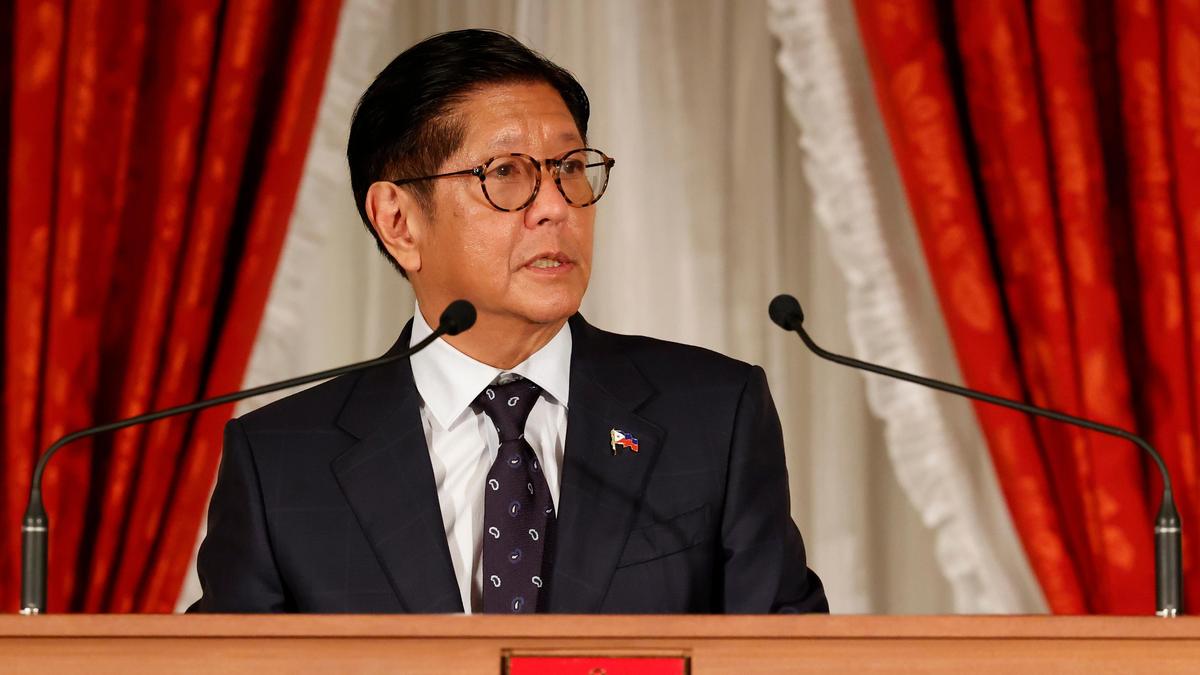
The Philippine Senate is at a standstill, and President Ferdinand Marcos Jr. is running out of patience. When the majority of a 24-seat legislative chamber collectively decides to skip work, the wheels of government don't just slow down—they grind to a halt. Marcos directly called out the absent lawmakers, telling them to stop treating their elected positions like a paid vacation and get back to the business of governing.
It is a blunt message for a messy situation.
The Senate found itself paralyzed after pro-Duterte majority senators skipped plenary sessions for two straight days. Senate President Alan Peter Cayetano framed the absence as a stand for "chamber independence," claiming the Senate was being held by the throat. The minority bloc quickly dismissed that excuse as pure fiction. To outside observers, the sudden lack of a quorum looks like exactly what it is: a coordinated boycott designed to stall the government right before a massive political storm hits Manila.
The Meltdown of the Senate Majority
This standoff did not happen in a vacuum. It is the direct result of a brutal political realignment that shattered the ruling UniTeam coalition. Just last month, 13 senators allied with Vice President Sara Duterte seized control of the Senate majority. That coup happened mere hours before the House of Representatives voted to impeach her.
Since then, the pro-Duterte faction has faced one disaster after another.
First, Senator Ronald "Boko" Dela Rosa fled the country and went into hiding after the International Criminal Court issued a warrant for his arrest. Then, on June 1, 2026, the police marched into the Senate premises and arrested Senator Jose "Jinggoy" Estrada. The Office of the Ombudsman slapped Estrada with a plunder complaint, accusing him of taking over 573 million pesos in kickbacks from a flood control scam.
Instead of distance, the remaining majority chose solidarity. Cayetano, Imee Marcos, Rodante Marcoleta, and the Villar siblings escorted Estrada during his arrest. Right after, the majority bloc stopped showing up to the Senate floor.
With Dela Rosa hiding and Estrada in a jail cell, the Senate is frozen in a brutal 11-11 deadlock. Because neither side can command a functional majority to pass bills, the legislature is effectively broken.
High Stakes in a Broken System
Marcos is watching his legislative agenda burn while global pressures mount. The war in the Middle East is actively hammering the global economy, causing oil prices to spike. The administration needs to adjust national policies and amend economic laws to cushion the blow for millions of struggling Filipinos.
Defense Secretary Gilberto Teodoro Jr. also warned that the gridlock is stalling critical national security pacts. The ratification of the Status of Visiting Forces Agreements with both Canada and New Zealand is stuck in limbo. Even standard military promotions are frozen because the Commission on Appointments cannot hold confirmation hearings for five newly minted generals.
Cayetano tried to deflect the blame. He claimed Malacañang is misinformed and argued that the executive branch had actually canceled high-level meetings on priority bills weeks ago. He wants the public to believe the Senate is defending its institutional integrity against outside overreach.
The reality is far simpler. The vice president’s Senate impeachment trial begins on July 6, 2026. This legislative freeze looks like a deliberate shield to protect the Duterte faction by choking the very system tasked with trying her.
The Limits of Presidential Power
Marcos told reporters that the legislature is in disarray, but his options are remarkably limited. Under the Philippine Constitution, the executive and the legislature are strictly co-equal branches of government. The president cannot force senators to sit in their chairs, nor can he punish them for staying home.
"We cannot tell them what to do," Marcos admitted. "They have to regulate themselves. And they haven't been doing much of a good job right now."
It is a rare admission of executive limitation from a sitting president. Marcos can use the bully pulpit to shame them. He can call for a special session during congressional recesses to force their hand on specific, urgent laws under Article VI, Section 15 of the Constitution. But if the senators refuse to establish a quorum, even a special session is just an empty room.
What Needs to Happen Next
Shaming politicians on the evening news will not pass an oil crisis subsidy or ratify a defense treaty. If you are tracking this political crisis, look for these specific indicators to see if the deadlock will break before the July impeachment trial:
- Watch the swing votes: The 11-11 tie means any single majority senator who breaks ranks and returns to the floor destroys the boycott's power. Watch for fractures within the remaining pro-Duterte bloc.
- The threat of a public backlash: If inflation spikes further due to the Middle East oil crisis, public anger over a "legislative vacation" will become a political liability that senators cannot survive.
- The utilization of special sessions: Look to see if Marcos officially invokes his constitutional right to call a special session, forcing the boycotting lawmakers to either show up or publicly take responsibility for blocking emergency relief laws.
The Senate cannot remain dark forever. With the country facing economic strain and shifting regional alliances, an empty chamber is a luxury the Philippines simply cannot afford.