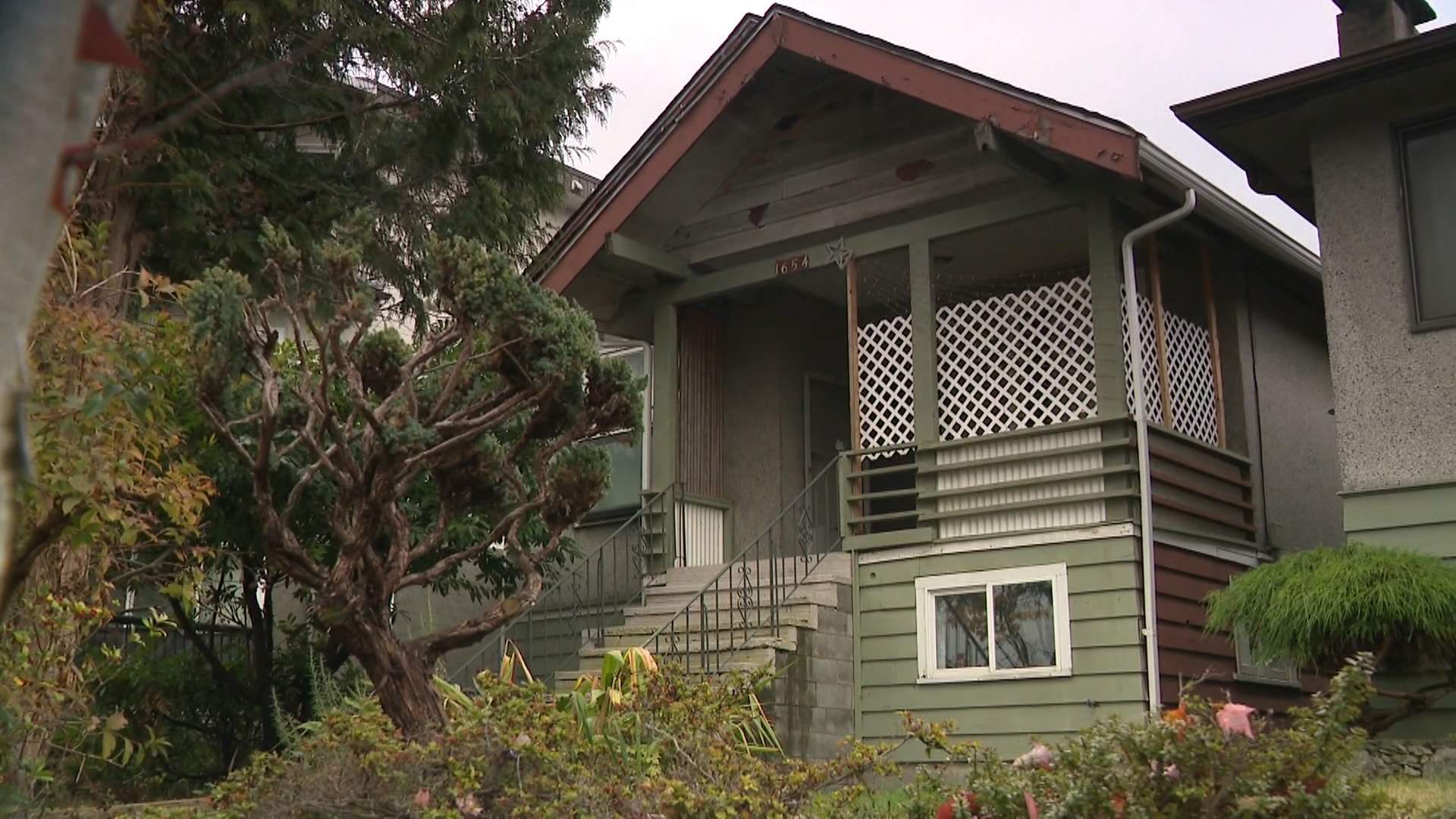
Walk past a standard Vancouver Special in East Van or a basement suite in Richmond, and everything looks completely normal from the sidewalk. Inside, though, you might find drywall partitions slicing a single living room into four windowless boxes just big enough for a twin mattress. People love to compare Vancouver’s illegal rental houses to Hong Kong’s infamous coffin homes, and while the visual overlap is disturbing, that comparison misses the actual crisis happening on the ground.
I've spent years tracking Metro Vancouver's underground rental market, reading city bylaw enforcement logs, and talking to tenants who've lived behind locked plywood doors. Calling these spaces "coffin apartments" grabs headlines. It also distracts from why they exist in a city with plenty of land compared to Hong Kong, and why municipal crackdowns almost always backfire on the exact people they claim to protect.
Why the Hong Kong Comparison Falls Apart
Hong Kong’s subdivided flats—often called cubicle apartments or coffin homes—exist because of extreme geographic scarcity combined with dense vertical urbanism. Tens of thousands of residents live in wire-mesh cages or stacked wooden boxes inside aging high-rises in districts like Sham Shui Po. You can see the density from space.
Vancouver is different. Roughly three-quarters of the residential land in the City of Vancouver was historically zoned exclusively for detached single-family homes, though recent provincial legislation under British Columbia's Bill 44 has forced municipalities to allow multiplexes. Even with new zoning laws on the books, construction takes years. Right now, the shortage isn't physical space. It's policy-manufactured scarcity.
When a single-family house costs north of two million dollars, owners look for ways to cover massive mortgages. Some convert basements into unlicensed suites. Others go way further, buying older homes and chopping the interior into micro-rooms rented out for $700 to $1,100 a month each. Unlike Hong Kong’s multi-story tenement buildings, Vancouver’s subdivided rentals hide inside quiet suburban neighborhoods where neighbors don't even realize ten strangers are sharing one bathroom next door.
Inside Vancouver’s Underground Rooming Houses
If you've never browsed Facebook Marketplace, Craigslist, or local WeChat groups for budget rentals in Metro Vancouver, the listings can feel surreal. You'll see photos of a hallway partitioned with temporary plastic walls, or a "private room" that is literally a walk-in closet with a curtain instead of a door. Some landlords rent out living room corners separated by bookshelves. Others cram bunk beds into garages with no insulation and a single space heater plugged into an extension cord.
These setups violate almost every rule in the BC Building Code and local property use bylaws. A legal bedroom in British Columbia requires an unobstructed window large enough for an emergency exit, proper ceiling height, smoke alarms, and direct access to a hallway without passing through another bedroom. Many of these illegal subdivisions have none of those things.
Consider a few recurring patterns documented by fire inspectors and tenant advocates across Vancouver, Burnaby, and Surrey:
- Partitioned living rooms and dens where temporary drywall or particleboard walls block the only natural light and trap heat in the summer.
- Unpermitted basement conversions with low ceilings, no secondary egress windows, and shared electrical panels pushed way past safe capacity.
- Shared occupancy arrangements where a primary leaseholder sublets every square foot of a house without the actual property owner's knowledge, pocketing the difference while dodging all maintenance responsibilities.
- Garage and shed conversions advertised as "garden studios" that lack proper plumbing, fire separation, or legal occupancy permits.
Honestly, the fire hazard is what keeps local fire chiefs awake at night. When someone builds makeshift walls out of cheap plywood and runs space heaters off daisy-chained power bars, a single electrical fault turns a house into a trap within minutes. Smoke detectors get ripped down because cooking smells set them off in cramped quarters.
Who Actually Lives in These Spaces
There's a common stereotype that only international students or temporary workers end up in illegal micro-rentals. That's false. While students arriving from abroad without local credit histories or references are prime targets for predatory landlords, they're far from the only ones.
Low-wage service workers, seniors on fixed pensions, gig economy drivers, and people escaping unsafe domestic situations all rely on this shadow market. When the average rent for a legal one-bedroom apartment in Vancouver sits well above $2,500 a month, someone earning minimum wage simply cannot pass a standard landlord's income check. Landlords typically ask for proof that your monthly income is three times the rent. Do the math. Nobody working full-time at a coffee shop or grocery store clears $7,500 a month.
So people compromise. They trade privacy, windows, and legal protections for a roof they can actually afford without starving.
The Trap of Tenant Rights in Illegal Suites
Here's something most renters don't realize until it's too late: under British Columbia's Residential Tenancy Act, an illegal suite is still covered by tenancy law—mostly. If you have an exclusive rental agreement with a landlord for a self-contained unit, the Residential Tenancy Branch generally recognizes your tenancy even if the city considers the suite unpermitted.
That protection evaporates fast in rooming-house setups.
If you share a kitchen or bathroom with the property owner, the Residential Tenancy Act doesn't apply to you at all. You have zero statutory protection against sudden eviction or arbitrary rent hikes. Even worse, if you're subletting a partitioned corner of a living room from another tenant rather than the actual homeowner, you're classified as a roommate or occupant, not a tenant under the Act. Your "landlord" can change the locks while you're at work, toss your bags on the lawn, and the Residential Tenancy Branch won't even open a file.
Landlords exploiting this grey zone know the rules better than their tenants do. They demand cash payments, refuse to provide written receipts, and threaten to report undocumented workers or international students to authorities if anyone complains about broken heat or black mold.
Why Municipal Crackdowns Make Things Worse
Every few months, a news story breaks about an egregious illegal rooming house in Vancouver or Richmond. Outrage follows. Neighbors demand action, and city bylaw officers show up to inspect the property.
What happens next rarely helps the people living inside.
When a municipality declares a building unsafe for occupancy, they issue a "Do Not Occupy" order. Fire marshals clear the building immediately. The landlord gets hit with fines—often a few hundred dollars a day, which is pocket change compared to the thousands they collected in rent—and the tenants end up on the street that same afternoon with whatever they can carry in a backpack.
Cities don't have emergency housing waiting for twelve displaced rooming-house tenants. Shelters across Metro Vancouver regularly run at capacity. By shutting down illegal rentals without replacing them with legal, deeply affordable single-room occupancy units or co-op housing, enforcement simply pushes vulnerable renters into even more hidden, dangerous arrangements—or straight into encampments.
It's a classic policy failure. You can't fine your way out of a housing deficit.
How to Spot and Protect Yourself From Predatory Rentals
If you're searching for an affordable room in Vancouver right now, you probably don't have the luxury of skipping every imperfect listing. Still, you shouldn't walk into a dangerous trap blind. Before handing over a single dollar for a security deposit, run through a few non-negotiable checks.
First, inspect the exits and windows in person. Never rent a room based on a video tour alone, especially if the camera angles feel weirdly tight. Check that the bedroom has a real door with a proper latch, a working smoke detector nearby, and an exterior window that opens easily without keys or tools. If the "wall" separating your room from the living area stops short of the ceiling or sounds hollow like cardboard, walk away.
Second, verify who actually owns the property. You can check property ownership records through BC Assessment or ask to see proof that the person signing your lease has the owner's written permission to sublet. If they refuse to put your name on an official BC Residential Tenancy Agreement (Form RTB-1) and insist on cash-only payments with no receipts, treat that as a hard stop.
Third, document everything from day one. Take timestamped photos of the room, the electrical outlets, any water damage, and the lock on your door before moving a single box inside. Save every text message and email with the person collecting rent. If you ever need to file a claim with the Residential Tenancy Branch or prove occupancy to local housing advocates like the Vancouver Tenants Union, that paper trail is your only leverage.
If you're already stuck in an unsafe subdivided rental and worried about retaliation, don't call city bylaw enforcement before talking to a tenant advocacy group first. Reach out to the Tenant Resource & Advisory Centre (TRAC) or the Vancouver Tenants Union to understand whether your specific living arrangement qualifies for legal protection under BC law, so you have a backup plan before inspectors ever knock on the door.


