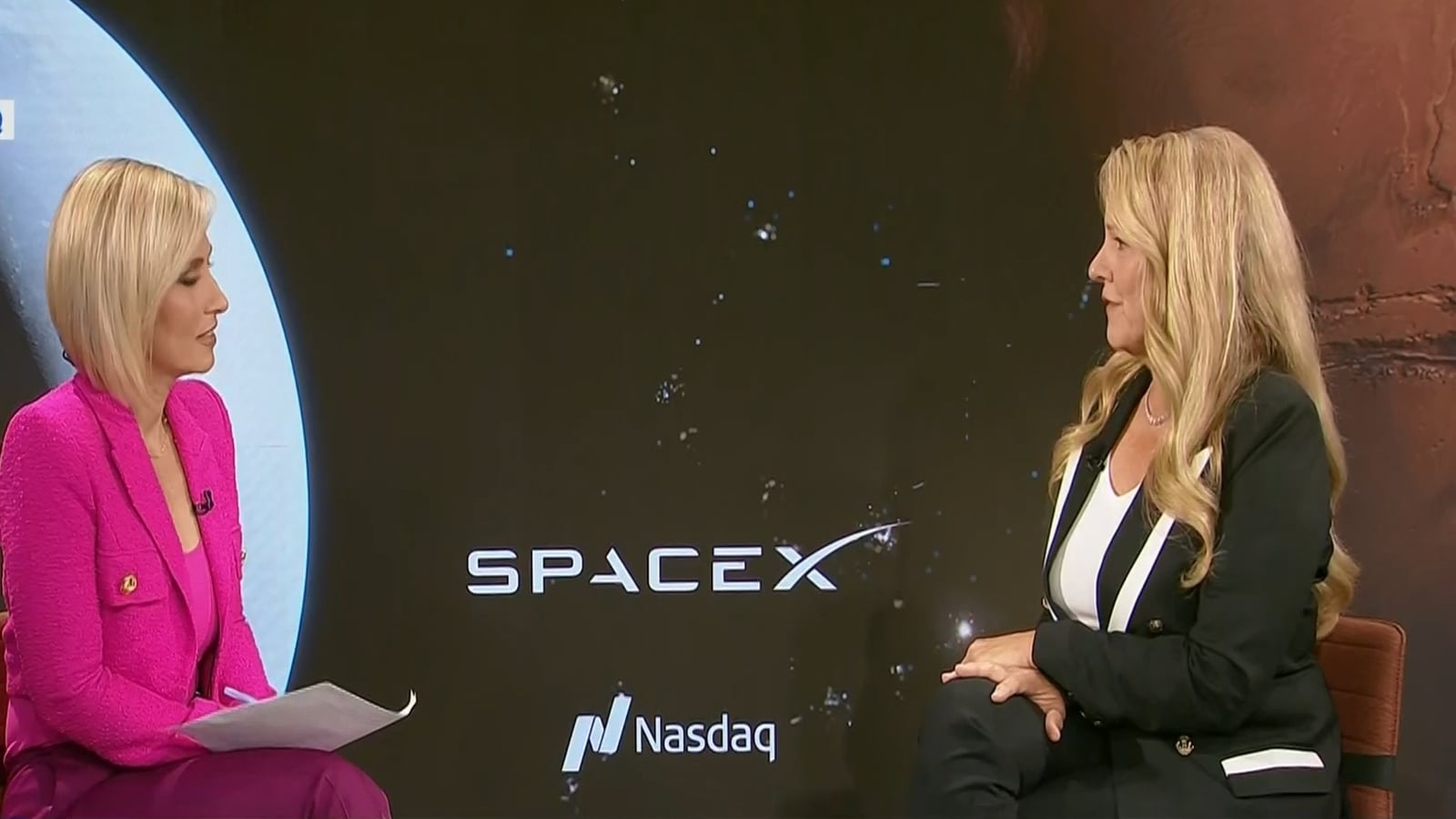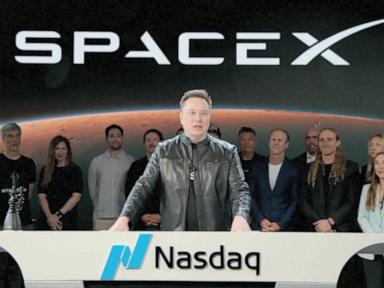
Wall Street just witnessed the most explosive stock market debut in history. SpaceX hit the public market with a valuation blowing past $2 trillion, immediately crowning Elon Musk as the world's first trillionaire. Retail brokers reported historic traffic. Institutional desks scrambled for a piece of the 4% free float. If you log onto any financial forum right now, the sentiment feels almost fanatical. Investors literally cannot get enough of this stock.
But if you look closely at the math instead of the media hype, you will see a massive disconnect.
Most people think buying into the SpaceX IPO is a direct bet on reusable rockets and Mars colonization. It isn't. The private backers and insiders already squeezed the early growth juice out of the launch business years ago. What people are actually buying at this staggering $2 trillion valuation is a massive, unproven thesis on global telecom domination and orbital artificial intelligence infrastructure.
Before you drop your savings into this hype machine through Robinhood or Hargreaves Lansdown, you need to understand the structural reality of what you're actually purchasing.
The Illusion of the Rocket Moat
SpaceX owns the launch market. It isn't even close. In 2025, the company conducted 165 orbital launches, deploying roughly 85% of all spacecraft globally. Thanks to the Falcon 9, they cut launch costs by 95% over the last two decades, bringing expenses down to under $1,000 per kilogram.
When Starship becomes fully operational, that figure could drop below $100 per kilogram.
[Image of reusable rocket landing]
That engineering achievement is stunning. But as a commercial business, launching rockets is a capital-intensive, low-margin grind. The core launch business doesn't justify a 95x trailing revenue multiple.
The real investment thesis rests on two non-launch pillars.
The Starlink Cash Machine
Starlink transitioned from a cash-burning experiment to a global telecom powerhouse. By early 2026, the satellite internet service surpassed 10 million active subscribers globally. Revenue for 2026 is projected to eclipse $20 billion. It is the fastest-growing telecom network on earth. The total addressable market for satellite connectivity sits around $160 billion, and SpaceX is positioned to capture the lion's share.
The xAI Merger Game
The massive valuation jump this year happened because SpaceX absorbed xAI in February 2026. This combined launch infrastructure, satellite communications, and AI model training under one roof. The pitch to Wall Street is wild. At sub-$100 per kilogram launch costs, SpaceX wants to build orbital data centers.
The theory is that space-based AI compute could run 25% cheaper than terrestrial facilities. Why? No land acquisition friction, direct solar energy, and free ambient cooling. Musk claims an ambition to launch 100 gigawatts of AI computing capacity per year.
The Dangerous Math Behind the Valuation
Let's look at the actual financials. SpaceX lost $4.9 billion in 2025. It is a loss-making aerospace giant burning mountains of cash to build out its satellite constellations and Starship variants.
At the current IPO pricing, the company trades at roughly 93 times its annual sales. To put that in perspective, look at how the rest of the tech world is valued.
- S&P 500 Average: 3.3x revenues
- Apple: 6.8x revenues
- Microsoft: 12.3x revenues
- Nvidia: 21.5x revenues
- SpaceX: 93.6x revenues
To justify this price tag, Goldman Sachs projects that SpaceX revenues must grow 100-fold by 2030, with the vast majority stemming from orbital AI services. If anything delays that rollout—whether solar storms, regulatory crackdowns, or technical failures in space-based chip operations—the stock will crater. Independent analysts at Morningstar explicitly warned that the company is significantly overvalued, estimating its fair value closer to $780 billion.
Retail Investors are Taking the Ultimate Risk
Musk did something unusual with this flotation. He reserved over 20% of the IPO allocation for retail investors. Normally, everyday traders get crumbs—maybe 5% to 7%. Wall Street brokerages are framing this as a democratic victory for the little guy.
Don't buy the corporate marketing.
This isn't a favor; it is a liquidity exit for early venture capital. SpaceX's last private funding round in 2023 valued the company at $137 billion. The people buying in today are paying over ten times that amount less than three years later. The heavy lifting of value creation happened in the private market. Retail buyers are stepping in at peak optimism, taking on the highest risk while insiders face lock-up periods that will eventually expire, creating a massive supply shock down the road.
Furthermore, you won't have a say in how the company runs. Musk didn't sell his personal shares and retains 82.4% of the voting power through a special class of super-voting stock. You are a passenger on this rocket, and Musk is the sole pilot.
How to Handle the SpaceX Phenomenon
If you want to participate, stop treating this stock like a guaranteed lottery ticket. It is an incredibly volatile growth asset.
Sizing Your Position
If you're using platforms like Freetrade or Hargreaves Lansdown to buy in, don't let SpaceX occupy more than 5% of your total investment portfolio. If a 20% drop on day two is going to cause you sleepless nights, stay away entirely.
Look for Indirect Alternatives
You don't need to buy the direct stock at peak IPO pricing to get exposure. Several publicly traded investment trusts and venture funds still hold early-stage private shares of SpaceX purchased at much lower valuations. Buying those trusts often allows you to capture SpaceX exposure at a discount to the current public market price.
Wait for Price Discovery
The smartest move for most long-term investors is to sit out the first few weeks of trading. The combination of forced buying from index funds tracking the Nasdaq and emotional retail demand will create wild price swings. Let the initial media dust settle, wait for the first quarterly earnings report to show real xAI integration data, and look for an entry point when the valuation drops back to reality.