Péter Magyar isn't wasting any time. Just months after his stunning April 2026 election victory, the new Hungarian Prime Minister just dropped a political atomic bomb on what remains of Viktor Orbán’s old regime.
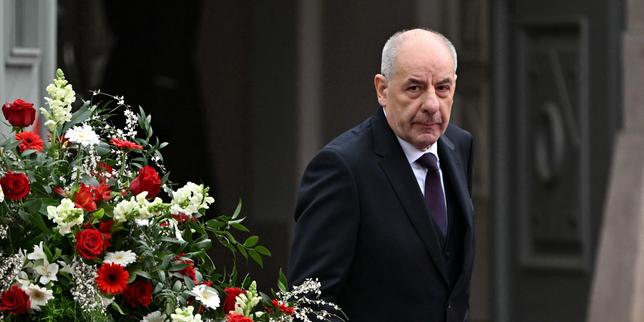
On Monday, July 13, 2026, Hungary’s parliament voted to alter the country's constitution and straight-up remove sitting President Tamás Sulyok from office. The vote wasn't even close. It passed 139 to 6 in the 199-seat chamber. In similar news, take a look at: The Architecture of Bilateral Brinkmanship: Deconstructing the US India Trade Deal Negotiations.
If you think this is just standard political drama, you’re missing the bigger picture. This isn't a routine transition of power. It's a hyper-aggressive, bare-knuckles dismantling of an autocracy.
The Real Reason Behind Operation Clean Sweep
Western media spent over a decade complaining about Orbán turning Hungary into an illiberal state. He rewrote laws, packed courts, and installed loyalists everywhere. When Magyar’s center-right Tisza party won a two-thirds supermajority, everyone wondered if he'd actually fight back. USA Today has provided coverage on this fascinating subject in extensive detail.
He did.
Magyar calls it "Operation Clean Sweep." The goal is simple. Wipe out the deeply entrenched power structures Orbán left behind. Sulyok, a former Constitutional Court chief justice appointed by Orbán’s party just last year, was target number one.
The president's role in Hungary is mostly ceremonial. But figureheads still hold power. They can block laws or drag things out by sending bills to a rigged Constitutional Court. Magyar knew that if Sulyok stayed, the new government's entire legislative agenda would hit a brick wall.
By passing this amendment, the parliament didn't just impeach Sulyok. They ended his mandate entirely. They cut the head off the snake.
Is Magyar Saving Democracy or Emulating Orbán
This is where things get sticky. The methods used on Monday are raising eyebrows, even among people who hated Orbán.
Instead of going through a lengthy, formal impeachment trial where Sulyok could defend himself, the Tisza party used its supermajority to rewrite the constitution and eliminate his job. It’s effective. But is it democratic?
Orbán’s remaining allies are furious. Fidesz lawmakers boycotted the vote entirely. Their caucus leader, Gergely Gulyás, called it a "political cleansing" right before resigning his post. Orbán himself posted a grim message on Facebook, calling it the death of "Democratic Hungary: 1990–2026," before jetting off to the US to watch World Cup soccer matches.
The hypocrisy is loud here. Orbán spent 16 years using the exact same supermajority tactics to reshape Hungary in his own image. Now that the shoe is on the other foot, his party calls it tyranny.
Magyar’s supporters argue you can't fight an autocrat with polite rules. You don't use a scalpel when you need a chainsaw. They believe voters gave them a clear mandate to rip Orbán's network out by the roots.
The collateral damage of Monday's vote
Sulyok wasn't the only casualty of Monday’s legislative blitz. The constitutional package was a sweeping package designed to permanently cripple the old guard.
- Judicial Purge: The amendment sets a strict retirement age of 70 for Constitutional Court judges, forcing four prominent Orbán loyalists off the bench immediately.
- Chief Prosecutor Axed: Péter Polt, another key figure who shielded the previous administration from corruption inquiries, was stripped of his influence.
- Term Limits: Future MPs are now limited to 12 years in office. This clever rule effectively bars most of the Fidesz core from ever running for parliament again.
- Anti-Corruption Agency: A new body with sweeping powers is being set up to audit and investigate financial abuses committed during the Orbán era.
This goes way beyond regular politics. It’s an institutional reset.
What happens next
President Sulyok has five days to sign the amendment into law. He’s already publicly pushed back, calling the vote an exceptional damage to the constitutional order. Don't expect him to sign it willingly.
If he refuses, Magyar has promised to launch formal impeachment proceedings immediately. One way or another, Sulyok is out. The amendment states his mandate ends the day after it enters into force, giving parliament 30 days to choose a successor.
For anyone watching global politics, Hungary is now a massive live experiment. We're about to see what happens when a democracy tries to undo a decade of institutional capture overnight. It’s messy, it’s risky, and it’s completely rewriting the playbook.
If you want to understand where Eastern Europe is heading, keep your eyes on Budapest. The old system didn't just bend on Monday. It broke.