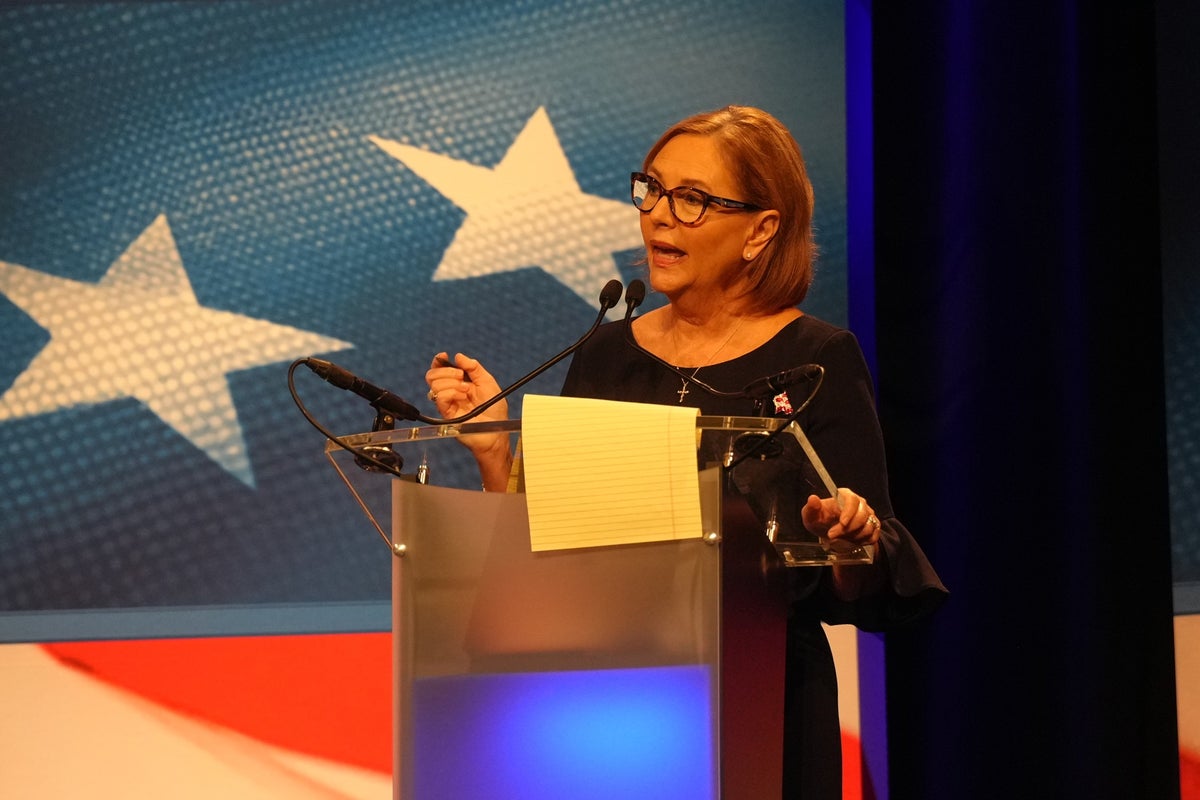
Political debates rarely hinge on policy mastery. They usually swing on unscripted moments of raw candor. When CBS News covered the recent South Carolina Republican debate, attention immediately fixed on interim senator Darline Graham. Asked about foreign affairs, she offered a refreshingly blunt assessment instead of defaulting to rehearsed talking points. That single admission triggered a massive wave of commentary across national media outlets like The Guardian and PBS NewsHour.
Critics pounced on the comment instantly. Pundits and rival campaigns argued that modern candidates must possess immediate fluency on complex global affairs. Supporters, however, saw the exchange as an antidote to typical political posturing. Authenticity plays well with voters tired of evasive answers. Yet the debate stage demands preparation. When you step into a high-stakes legislative race, gaps in your core knowledge become glaring liabilities under bright studio lights.
Navigating public office requires mastering issues you might initially find unfamiliar. Traditional politicians spend decades memorizing acronyms and defense strategies. Outsiders face a steeper climb. If you want to understand how modern political campaigns survive these pressure cookers, look closely at how candidates manage their blind spots. Relying on seasoned congressional staff helps bridge the gap, but voters ultimately want to hear conviction directly from the candidate.
Check official government updates and local voter guides via the South Carolina State Election Commission to follow upcoming primary schedules and candidate filings. Stay informed by checking independent reporting from major networks like PBS NewsHour for ongoing coverage of congressional races.