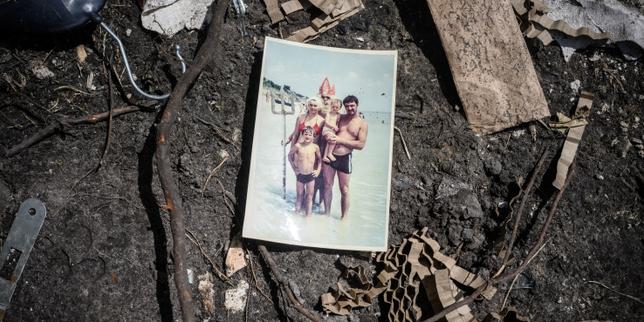
Ce qu’il nous reste de là-bas ? Rien. Tout dans le cœur. Cette phrase résume la douleur brute de ceux qui ont vu leur géographie intime effacée par les soubresauts de l'histoire. When a peninsula becomes a permanent flashpoint, we tend to talk exclusively about geopolitics, naval fleets, and shifting borders. We forget the human cost. We ignore what it means to lose a homeland that now only exists in faded photographs and sensory echoes.
Crimea isn't just a strategic prize in the Black Sea. For generations of Tatars, Ukrainians, and those who simply grew up under its blistering sun, it is a repository of deep personal history. Walking through Yalta or Sevastopol today carries a completely different weight than it did a decade ago. The reality on the ground has shifted drastically, turning sun-drenched beach resorts into heavily contested front lines.
The Anatomy of Displacement
Exile changes how you look at a map. When families are forced to pack their lives into suitcases because borders redrew themselves overnight, physical property becomes irrelevant. You cannot take the smell of salt and pine needles with you. You cannot export the specific amber light hitting the vineyards of Massandra.
People often ask what it feels like to lose a place like Crimea. It is a slow-motion erosion. At first, you follow the news obsessively. You look at satellite images of the Kerch Strait bridge, watching the traffic patterns change. Then, the realization sets in that the physical space you loved is gone, replaced by a heavily militarized zone.
- Physical homes are replaceable, but accumulated generational memories are not.
- Official state narratives attempt to overwrite local heritage, but personal archives resist.
- Distance transforms a physical location into an abstract emotional anchor.
History repeats itself in cruel ways across this peninsula. Long before current conflicts, the forced deportation of the Crimean Tatars under Stalin in 1944 tore the demographic heart out of the region. Entire communities were loaded onto trains and dumped thousands of kilometers away in Central Asia. When they finally trickled back decades later, they had to rebuild their lives from literal ruins. That cycle of returning only to face fresh displacement defines the modern Crimean experience.
Living Inside a Memory Palace
How do you preserve a culture when the landscape that nourished it is cut off? You rely on oral traditions, kitchen table conversations, and stubborn acts of remembrance. Cooking traditional dishes becomes a political statement. Speaking a native language in private spaces keeps an entire identity alive.
Data and political treaties fail to capture this interior world. Millions of euros get pumped into subsidizing local tourism or repairing infrastructure, but money cannot buy back a stolen sense of safety. When air raid sirens and drone strikes replace the sound of cicadas, the tourist paradise ceases to exist. It morphs into a theater of survival.
If you talk to those who left after 2014, you realize they carry an internal atlas. They can navigate the winding streets of Simferopol or the coast of Eupatoria with their eyes closed. They don't need current updates or travel advisories. Their Crimea is frozen in time, protected from the concrete realities of occupation, blockades, and targeted strikes.
Stop looking at the peninsula solely through the lens of military analysts. Look at the people who left behind their favorite coffee shops, family graves, and childhood beaches. They prove that borders are temporary lines drawn on paper, while the weight of a lost home stays anchored where it matters most.